Laden...
6.7·2005·123 min·English·Regie Sam Mendes
DramaKriegsfilm
Handlung
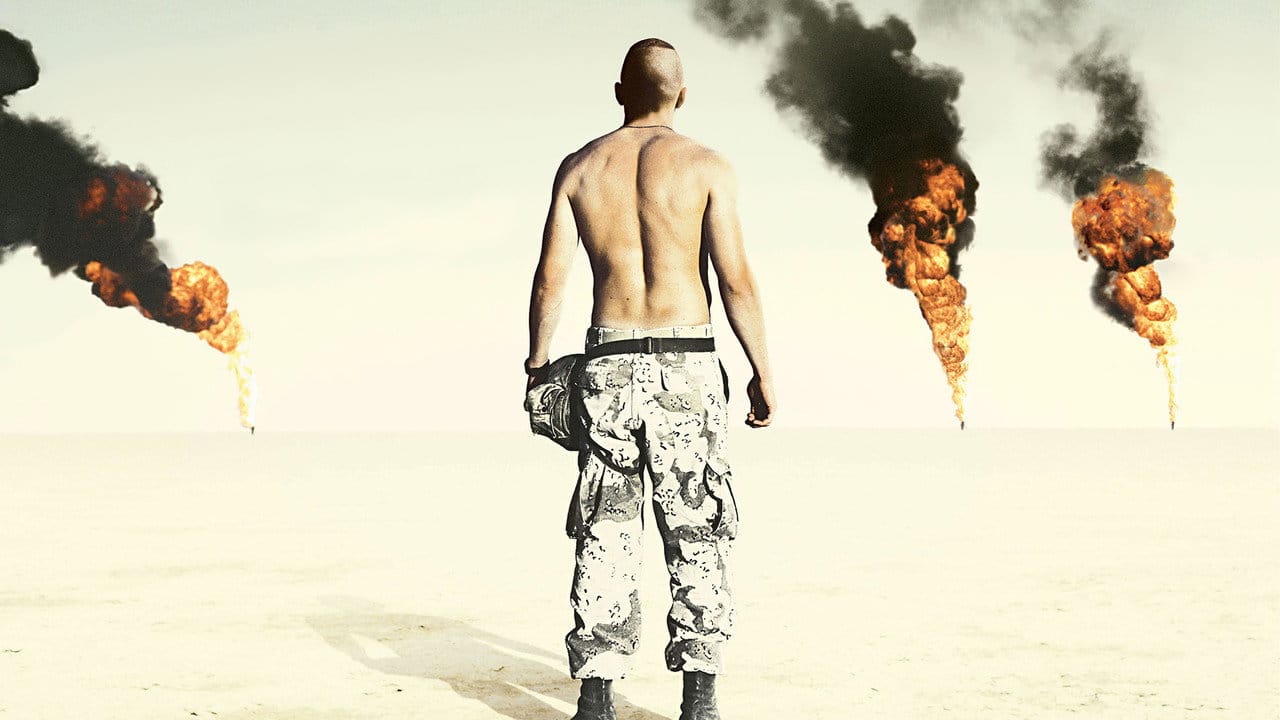
Irak 1991: Die US-Marines wühlen sich durch den heißen Wüstensand – immer dem Feind entgegen. Mittendrin Sergeant Sykes, Anführer eines Marine-Platoons, und dessen Scharfschütze Swoof, soeben aus dem Ausbildungscamp entlassen. Bewaffnet mir einem Präzisionsgewehr, behangen mit einem Fünzig-Kilo-Rucksack, ziehen sie ins Ungewisse. Schutzlos der erbarmungslosen Hitze und den irakischen Soldaten ausgeliefert, können sie ihre Tage nur mit schwarzem Humor und einer deftigen Prise Sarkasmus ertragen. Sie kömpfen in einem Land, das sie nicht kennen, gegen einen Feind, den sie nicht sehen, in einem Krieg, den sie nicht verstehen. Was wird der nächste Tag bringen?
Hauptdarsteller









Jarhead Filmreihe
Mehr wie das

American Sniper
2014·7.4
Warfare
2025·7.1
Tom Clancy's Gnadenlos
2021·6.9

Überleben - Ein Soldat kämpft niemals allein
2016·6.6

The Yellow Birds
2018·6.0

Lone Survivor
2013·7.4

Die Akte Jane
1997·6.5

The Wall
2017·6.4

Full Metal Jacket
1987·8.1

Der schmale Grat
1998·7.4

Black Hawk Down
2001·7.4

Jarhead 3 - Die Belagerung
2016·6.1
Communauté
7.1
Note Trakt
5.4K votes
10
419
9
270
8
1.3K
7
1.7K
6
1.2K
5
264
4
113
3
40
2
45
1
45
20.8KSpectateurs
79.9KCollectés
8.7KListes
Avis de la communauté (11)
I
IzakJordan★8/10Oct 5, 2020
most realistic military movie ever, everyone who served will recognise the experience
♥4
F
FinFan★7/10Jul 28, 2017
A war movie without a war. Not much action or fighting scenes. It´s more about fighting boredom than the enemy and I don´t mean it as a negative. The movie is solid but not exceptional. One thing I always ask myself after watching those newer war movies: do marines really behave like that?
♥2
S
Spiritualized Kaos★7/10Sep 22, 2025
The Gulf War was a bore.
♥1
D
decatur555VIPCritique★8/10Sep 20, 2025
Watching Jarhead feels like peering into a senseless war where everything seems to matter less than it should. Sam Mendes captures with surgical precision what it meant for those soldiers to live trapped in a desert without glory, facing an invisible enemy while consumed by routine and futility. There are no epic battles or heroic deeds here, only endless waiting and the emptiness of a war that never truly belonged to them. Jake Gyllenhaal shines as the young marine filled with anger and doubt, caught in a conflict that never allows him to become the soldier he was trained to be. Alongside him, Peter Sarsgaard and Jamie Foxx complete a strong cast, conveying the mix of rage, frustration, and resignation that weighed on each of them. Mendes draws raw, unadorned performances that perfectly match the film’s tone. Roger Deakins’ cinematography is another triumph: the desert becomes a hypnotic stage, as beautiful as it is unbearable. The sand, the heat, and the burning oil fields speak as loudly as the characters themselves. Music and silence, used at the right moments, heighten the sense of suffocation. This is not an action movie, and therein lies both its strength and its challenge. Mendes avoids glorifying war, instead exposing it as what it truly was: a theater of interests where oil was the only thing that mattered. That choice may unsettle viewers expecting a more conventional narrative, but it offers a more honest and unsettling portrait. Jarhead is never indifferent. It’s uncomfortable, at times exasperating, but precisely for that reason it conveys how that generation of soldiers must have felt—lost in the middle of a war with no clear cause. A film less about combat and more about existential emptiness, about the price of being used in the name of nothing.
♥1
V
VantageReelVIP★7/10Aug 5, 2023
_Jarhead_ took me by surprise with its unique portrayal of wartime experiences. Unlike traditional war movies filled with plenty of action, it dives deep into the emotional and psychological impact of war on soldiers. It's not what I was expecting, but that's what makes it stand out. Rather than focusing on adrenaline-pumping battle scenes, the film delves into the mundane and monotonous aspects of war, showing how it can be a psychological challenge for soldiers. It offers a raw and realistic portrayal of the toll it takes on their mental and emotional well-being. This unconventional approach brings a unique perspective to the war genre. It's worth a watch for those seeking a different perspective on war.
♥1
reviews