Laden...
7.3·2013·155 min·English·Regie Philipp Stölzl
Eine Reise aus der Dunkelheit ins Licht
AbenteuerDramaHistorie
Handlung
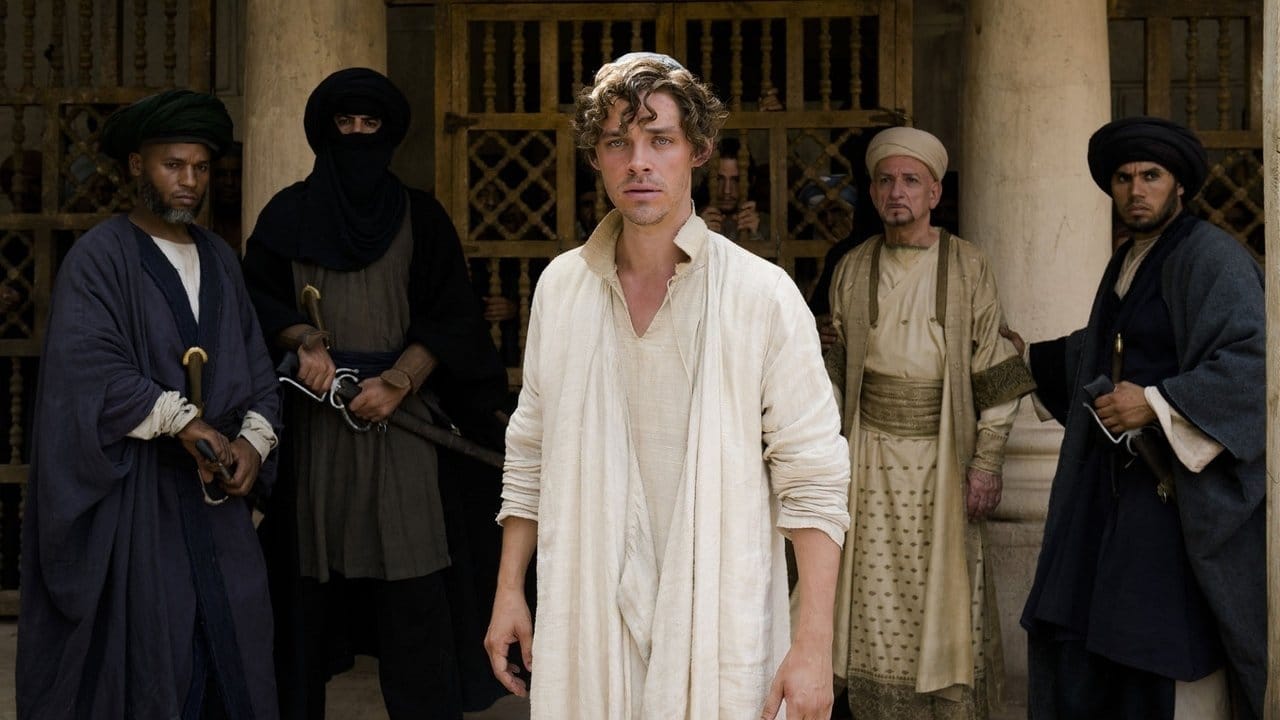
Nach dem Tod seiner Mutter im Jahr 1021 wird der neunjährige Rob Cole in London zum Waisenkind. Er begegnet dem fahrenden Bader Henry Croft, der ihn nach anfänglichem Widerwillen als Lehrling zu sich nimmt. Bei ihm lernt Rob fundamentale Geheimnisse der Heilkunst des Mittelalters. Als der Bader an grauem Star erkrankt und durch einen jüdischen Arzt geheilt wird, reift in Rob der Wunsch Medizin zu studieren. So begibt er sich auf eine abenteuerliche Reise in den Orient nach Isfahan, um beim berühmten Arzt Ibn Sina zu lernen und ein Medicus zu werden.
Hauptdarsteller
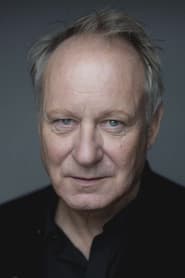


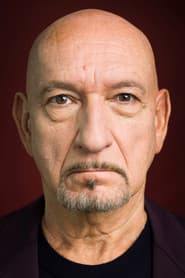

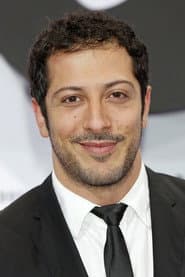



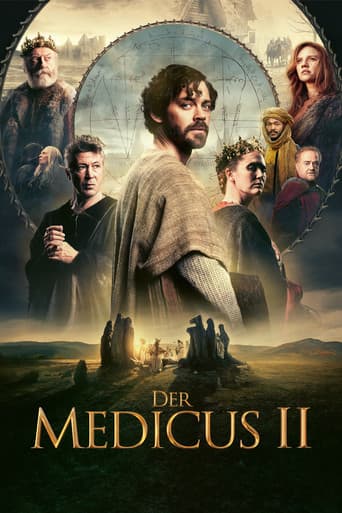
Der Medicus Filmreihe
Mehr wie das
Königin der Wüste
2015·5.8
Der Fall Richard Jewell
2019·7.4
The Zone of Interest
2023·7.0
Der Junge im gestreiften Pyjama
2008·7.8
The Way Back - Der lange Weg
2010·7.0
Victoria & Abdul
2017·6.9
The Best of Enemies
2019·7.4
Der letzte Mohikaner
1992·7.4
Verleugnung
2016·6.8
München - Im Angesicht des Krieges
2021·6.9
A United Kingdom
2016·6.7
Agora - Die Säulen des Himmels
2009·7.0
Communauté
7.5
Note Trakt
2.1K votes
10
295
9
203
8
580
7
575
6
232
5
71
4
33
3
12
2
19
1
36
7.2KSpectateurs
58.1KCollectés
3.7KListes
Avis de la communauté (8)
L
ltcomdataCritiqueApr 24, 2016
Visually stunning movie about an English traveling barber called Robert who wishes to learn medicine from Avicenna, the renowned Early Medieval Muslim teacher. Against all odds, the Christian Englishman manages to do this --- but must hide his faith in order to do so. He defies traditional Christian, Islamic, and Jewish teaching by dissecting the dead in order to learn the reason for "side illness" --- appendicitis. And he figures out that plague is transmitted by parasitic fleas traveling on rats. All of this without learning a single word of Persian, and right before an extremist Muslim band sacks Isfahan and takes over. Robert also witnesses the suicide of Avicenna, and upon returning to England he introduces modern hospitals there. The amount of anachronistic fairy tales inserted into this story is appalling. It makes it seem as if Avicenna was not responsible for the medical knowledge attributed to him, but was instead taught them by an Englishman --- thus reducing the place in history that Avicenna rightly deserves. And Avicenna died of old age, and most decidedly did not poison himself. And shall we talk about the medical insights of Robert the Englishman? He seems to have an understanding of modern medical knowledge --- culminating in the founding of his hospital --- that would make his trip to Muslim lands redundant. Religion, too, is given short shrift. Quite often it stands on the way of true scientific enlightenment. Christians, Muslims, and Jews are all shown as intolerant, unless they give way to the superior form of knowledge that is science. But this ignores the well-established facts that Avicenna was a devout Muslim, for instance, or that the inheritors of the Muslim science depicted in this film were very much devout Christians. And it is a fact that by the time of Jesus --- much more so by the 11th century --- the Jews had given up on stoning as a form of punishment for adultery. Yes, the movie is stunning. But no, it is decidedly not history.
♥4
L
Lee Brown BarrowVIP★6/10Aug 28, 2021
Epic in scope with an excellent feel for time and place. Unfortunately, it goes on way too long, so while there are some great moments, the length works against it.
♥2
S
Schokominza★9/10May 25, 2014
One of the best movies I have seen in a long time.
♥2
P
Pokshyvka★10/10Mar 23, 2014
Masterpiece, very well made, beautyful.
♥2
S
siggi963★7/10Nov 6, 2024
Though by far not as great and deep as the book, it is still a very good movie. It depicts how backwards medicine was in Europe in the 11th century and how, relatively speaking, advanced it was at that time in the middle-east. The medicine of the Middle East at that time is the basis for the medicine still practiced nowadays in the western world. I still recommend that you also read the book, which covers several other elements of everyday life at that time.
♥1
Kritiken