Laden...
6.5·2024·23 min·English·Regie Adam J. Graves
Drama
Handlung
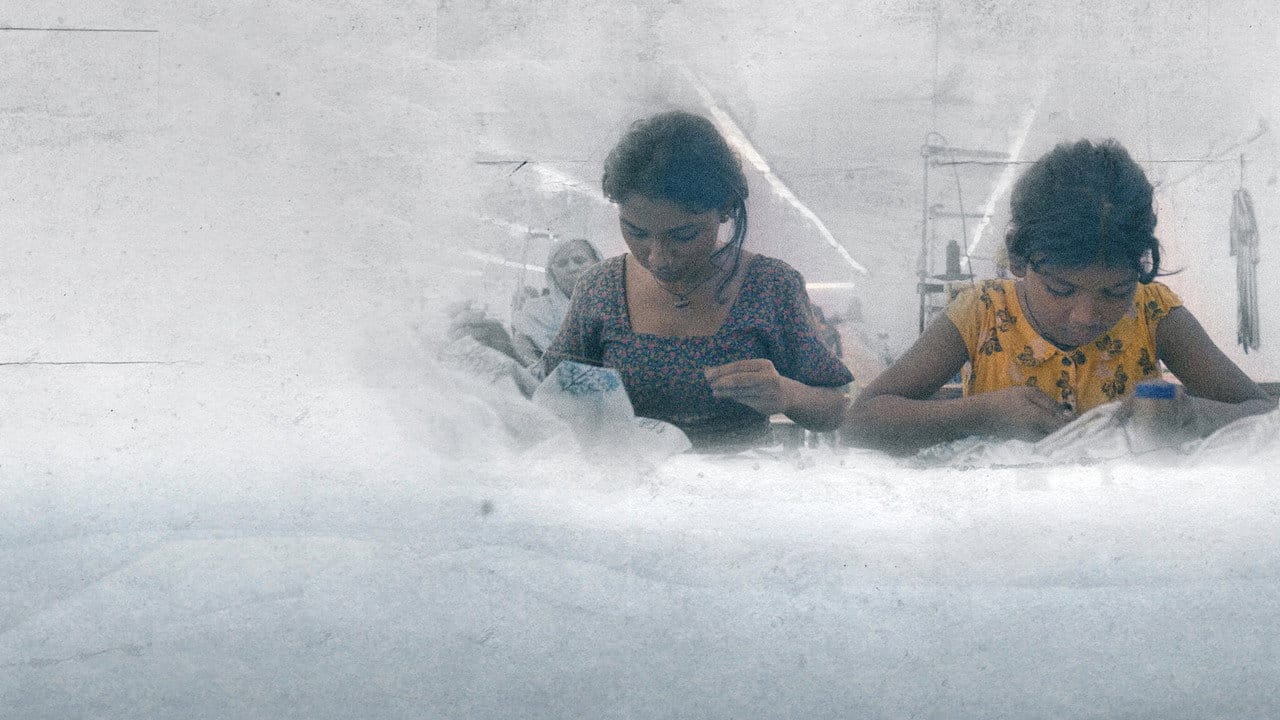
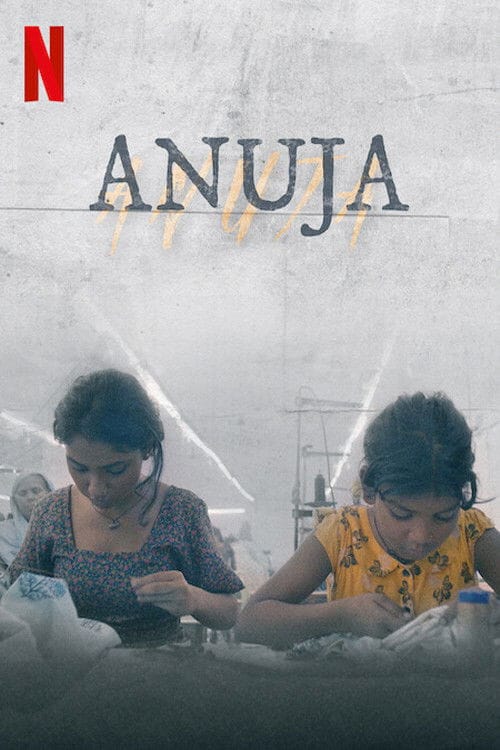
Ein 9-jähriges Mädchen, das in einem Ausbeuterbetrieb arbeitet, erhält die Chance, zur Schule zu gehen und muss eine schwierige Entscheidung für ihre Zukunft treffen.
Hauptdarsteller


Mehr wie das
Fast Girls: Lauf für deinen Traum
2012·6.1
Eleanor the Great
2025·6.9

Das Glück der großen Dinge
2013·7.1
The Girl in the Book
2015·5.8
Um Klassen besser
2012·6.1

Skin - Schrei nach Gerechtigkeit
2009·6.4

Meine Freundin Ana
2014·6.5
Hungry Hearts
2015·6.5

Mein Dinner mit Hervé
2018·6.3

Gigi & Nate
2022·7.6
Fedora
1978·6.7

Flicka - Freiheit. Freundschaft. Abenteuer.
2006·6.9
Communauté
7.1
Note Trakt
357 votes
10
48
9
6
8
89
7
76
6
98
5
24
4
13
3
3
2
1
1.0KSpectateurs
9.1KCollectés
364Listes
Avis de la communauté (6)
S
sixhoursagoVIP★7/10Feb 12, 2025
That security guard is 🐐
♥1
H
heyflpCritique★8/10Feb 5, 2025
“Anuja” is a short film that, even with its brief 23 minutes, manages to leave a deep mark. It doesn’t rely on big speeches or melodrama to make an impact; it trusts the strength of its simple narrative and the authenticity of the emotions it carries. What makes it so powerful is precisely that simplicity: by focusing on the relationship between two orphaned sisters working in a garment factory, it creates an intimate, honest portrait of the fight for survival in a world where childhood is a luxury few can afford. The film’s biggest strength lies in how it builds the bond between Anuja (Sajda Pathan) and Palak (Ananya Shanbhag). Their dynamic feels genuine, full of small gestures that reveal the affection and deep connection they share, even in the face of adversity. It’s in the little things—the joy of sharing a jalebi, the excitement when talking about movies, the quiet care woven into the harsh routine of the factory—that the story gains depth. Their relationship isn’t idealized; it’s raw, real, built on sacrifices and tough choices, which makes the drama hit even harder. Pathan and Shanbhag’s performances are stunning, especially considering they come from outside the professional acting world. They carry the film with a natural ease that avoids the trap of over-rehearsed performances, making the pain and hope of their characters feel almost tangible. Narratively, “Anuja” makes an interesting choice by focusing more on the protagonist’s internal conflict rather than on big external confrontations. The factory supervisor, while clearly an antagonist, isn’t portrayed as a caricature. He’s less of a standalone villain and more of a symbol of a system that keeps the cycle of poverty and exploitation going. The real struggle is inside Anuja’s mind: choosing between an uncertain future full of possibilities or the fragile security of the present, where she can stay close to her sister. The film never forces an answer on the viewer, which is one of its greatest strengths. The open ending isn’t lazy storytelling; on the contrary, it forces the audience to carry that choice with them, reflecting on the weight of decisions that many children are forced to make every day. Visually, the film embraces a restrained, almost documentary-like aesthetic. The camera stays close, with minimal movement and simple compositions, which reinforces the intimate tone. The color palette is muted, reflecting the oppressive environment of the factory, but there are moments when the warmth of natural light—like in outdoor scenes or when the sisters share small moments of joy—hints at a spark of hope amid the harshness of daily life. This minimalist approach keeps the film from slipping into visual sensationalism that could undercut the story’s emotional weight. The realism is there to serve the narrative, not to glamorize the suffering. What also stands out is how the script handles the theme of child labor. “Anuja” isn’t a film trying to deliver an obvious moral lesson or offer simplistic solutions to a complex problem. It shows, without filters, how the system fails these children—but it does so through their lived experience, not from some distant, condescending viewpoint. The specific focus—the tension between the right to education and the need to work—is universal, but it never feels generic. Every decision, every line of dialogue feels grounded in the concrete reality of these characters, making the story both specific and universally relatable. Ultimately, there’s something profoundly human in how the film deals with the idea of hope. Instead of presenting it as some abstract concept or an easy reward, “Anuja” shows hope as a difficult choice, one that demands courage and, often, sacrifice. It’s a film that embodies the kind of cinema that understands emotional impact doesn’t come from grand gestures, but from the honesty with which a story is told. That said, “Anuja” is a reminder that cinema can be powerful even when it whispers—and that sometimes, the smallest films carry the loudest voices.
♥1
C
chickenlasagna★5/10Apr 21, 2025
Has it got a good message? Yeah, kind of. Does it move me to act upon it? Not really. The movie is powerful for a 23-minute runtime, but it is not powerful enough to stir me. It is rather minimal and pretty in its own little way, but nothing honestly stood out to me about the work. It ends posing a dilemma–a rather huge one at that–but the rest of it? Bland. At least to me it was. The acting is pretty fine. The characters have some depth. The screenplay is quite intelligent, to which the shots do sufficient justice. It wouldn't be a "10/10 I recommend," but one could give it a chance.
A
ArielRodriguez★6/10Feb 22, 2025
Interesting cinematography, entertaining plot. Good ending credits scene. I didn't like they don't give us an end.
A
AlfieSGDVIP★7/10Feb 7, 2025
The Oscar-nominated short film “Anuja” provides an interesting look into the world of a nine-year-old Indian girl who works in a backyard textile factory and is given the rare chance to enroll in a school. However, the decision is not made easy for her. The film captivates with compelling cinematography, likeable leading actresses, and an uplifting story. It is therefore definitely worth a look.
Kritiken