Laden...
7.5·2013·109 min·English·Regie Richard Linklater
LiebesfilmDrama
Handlung
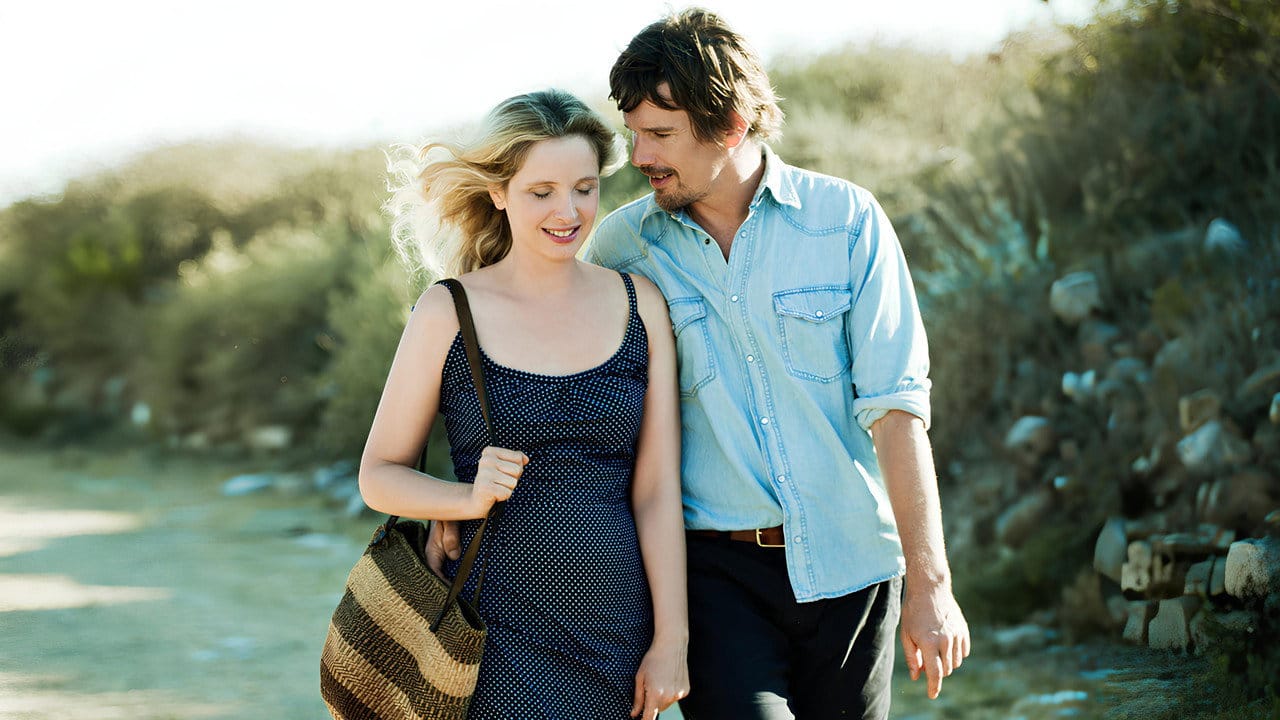
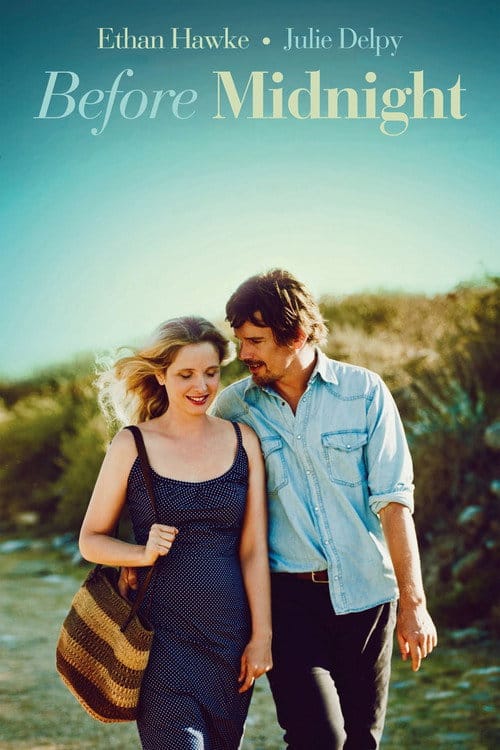
Neun Jahre sind vergangen, seit Jesse sein Flugzeug zurück in die Vereinigten Staaten verpasst hat, um stattdessen bei Celine in Paris zu bleiben. Nun verbringen der amerikanische Schriftsteller und die impulsive Französin ihren Sommerurlaub bei Freunden in Griechenland. Doch der letzte gemeinsame Abend verläuft nicht wie erhofft und schließlich stehen beide vor der Frage, ob es für ihre Liebe überhaupt noch eine Zukunft gibt.
Hauptdarsteller









Before... Filmreihe
Mehr wie das

Meine Stunden mit Leo
2022·7.0
See You Soon
2019·5.9

Culpa Tuya - Deine Schuld: London
2026·7.5
Dritte Person
2014·5.9
Die Träumer
2003·7.2

In Secret - Geheime Leidenschaft
2014·6.1
June & John
2025·6.0
Shirley
2020·6.1
Attraction - Spirale der Gewalt
2001·6.9

So ist das Leben - Life Itself
2018·7.2
Two Lovers
2008·6.9
Ein Mann für geheime Stunden
2001·5.9
Communauté
7.8
Note Trakt
5.6K votes
10
1.1K
9
736
8
1.6K
7
1.1K
6
581
5
179
4
109
3
28
2
52
1
58
17.1KSpectateurs
100.1KCollectés
15.2KListes
Avis de la communauté (9)
A
alixaxel★9/10Jan 25, 2014
I've loved the first two Before movies, but this one kinda felt short... Don't get me wrong, it was still great, but I didn't saw the "magic" I saw on the first two.
♥9
C
carly6363★8/10Jan 22, 2022
2022 is the year that we should see Jesse and Celine again. I wonder where they are now...
♥8
T
thomity★9/10Jan 3, 2014
This trilogy has literally changed the way I think about life.
♥5
H
heyflpCritique★10/10Dec 6, 2024
“Before Midnight” is the kind of movie that lays a relationship bare without ever resorting to cheap tricks or forced sentimentality. With an emotional precision that’s rare in cinema, Richard Linklater, along with Ethan Hawke and Julie Delpy, crafts the rawest and most mature chapter in a trilogy that began as a portrait of romantic connection and now dives into how time transforms—and sometimes erodes—that bond. This is no place for simplistic idealizations or the glamour of cinematic passion: what’s revealed is the raw essence of real love—contradictory, imperfect, and deeply human because of it. The context has completely shifted. Jesse (Hawke) and Celine (Delpy) are no longer the charming young dreamers strolling aimlessly through Vienna or the nostalgic lovers reuniting in Paris. In “Before Midnight,” the weight of adulthood is ever-present. They’re now 41, parents to young twin girls, and navigating the daily challenges of a marriage that’s solid but not immune to the cracks of routine. By setting the story during a summer in Greece, Linklater subverts the idyllic scenery, using its beauty as a stark contrast to the couple’s internal struggles. Every wrinkle on Hawke and Delpy’s faces, every exasperated sigh or tired glance, carries the mark of time, showing how the years have left their scars—both physical and emotional. The narrative sticks to the trilogy’s signature style, with long, flowing takes that allow conversations to unfold naturally. But the tone of their exchanges has changed drastically. Where Jesse and Celine once discussed possibilities and dreams of the future, they now hash out past mistakes and current frustrations. Linklater, Delpy, and Hawke’s writing is razor-sharp and layered, capturing the complexity of their interactions. Small gestures and looks reveal more than words—like when Celine cracks a seemingly trivial joke but layers it with biting subtext, her quick glance at Jesse’s reaction exposing years of shared intimacy that can be both a comfort and a weapon. What we witness is a living, unpredictable dialogue full of nuance. One of “Before Midnight’s” greatest strengths is its refusal to romanticize love. Jesse and Celine are neither tragic heroes nor villains in their story; they’re just two people trying to balance the weight of their frustrations and unmet expectations. Their arguments, as painful and sometimes cruel as they are, are peppered with moments of humor and tenderness. When Jesse asks if Celine would get off the train with him if they met today, her hesitation doesn’t stem from a lack of love but from the difficulty of reimagining her partner as that idealized young man from the past. This brutal honesty doesn’t diminish the beauty of their relationship—it enhances it, showing that real love isn’t free of flaws but built on the ongoing effort to face them together. Linklater’s direction is an exercise in subtlety and precision. He avoids dramatic framing or intrusive music, trusting in the powerhouse performances of his leads. Hawke and Delpy deliver raw, vulnerable, and deeply authentic portrayals. Delpy, in particular, navigates Celine’s contradictions with grace, portraying a woman oscillating between the strength of her independence and the insecurities of the sacrifices she’s made. Hawke, on the other hand, captures Jesse’s blend of charm and emotional immaturity, often deflecting tension with humor to avoid confrontation. Together, they embody characters who feel flawed yet profoundly real. Another remarkable aspect of the film is how it deconstructs the myth of “happily ever after.” Instead of offering a comforting resolution, “Before Midnight” presents love as an ongoing process of negotiation and compromise, where wounds don’t completely heal but can be softened through mutual effort. The film challenges us to find beauty not in perfection but in the perseverance to keep going through the struggles. “Happily ever after” here isn’t an ending; it’s the daily fight to keep the connection alive, even when it feels fragile. What makes “Before Midnight” so special is its ability to balance the harshness of reality with moments of hope. Jesse and Celine can still laugh together, tease each other, and occasionally surprise one another. These glimpses of genuine connection remind us that beneath all the layers of frustration and weariness, the same two young people who stepped off a train in Vienna decades ago still exist. The trilogy as a whole isn’t just a story of love—it’s a reflection on what it means to love across a lifetime, with all its contradictions, pain, and moments of redemption. Ultimately, “Before Midnight” doesn’t just make you think about love; it forces you to confront your own expectations and experiences. It doesn’t offer easy answers, but it leaves behind a powerful message: true love isn’t immune to time or hardship but persists in the willingness to face those battles together. It’s a portrait of a relationship in its most genuine form, and it’s this honesty that makes it such an unforgettable milestone in modern cinema.
♥3
L
lexusquinn7★7/10Aug 27, 2025
.sunrise felt like a dream, sunset felt like hope, but midnight? midnight feels like reality. it’s messy, painful, and honest, like watching love grow up for real. not as romantic but maybe the most important one.
♥2
Kritiken