Laden...
7.5·2024·167 min·Français·Regie Mohammad Rasulof
DramaThrillerKrimi
Handlung
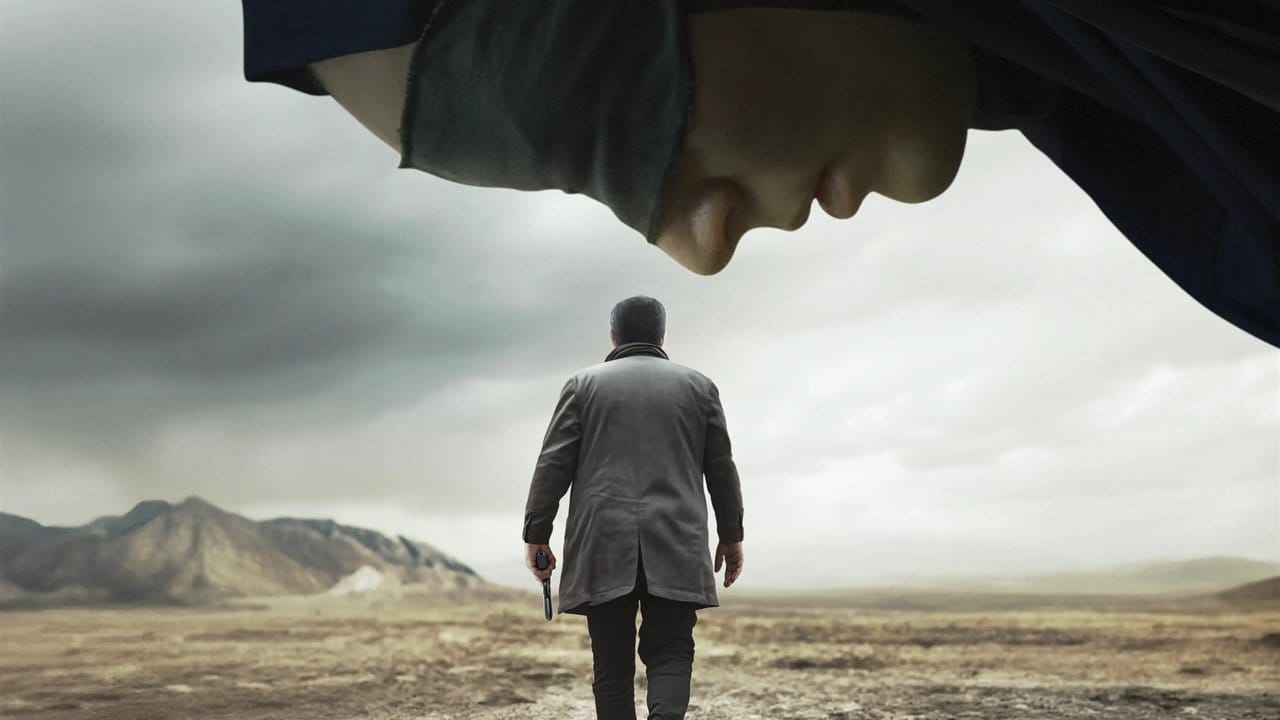
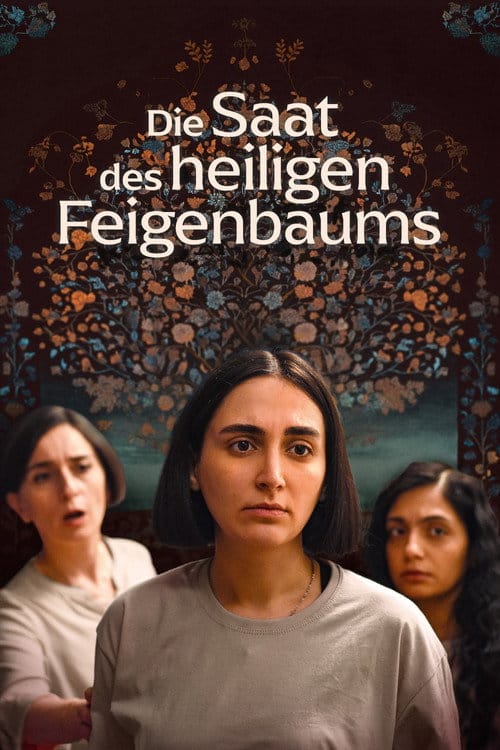
Iman ist gerade zum Untersuchungsrichter am Revolutionsgericht in Teheran befördert worden, als nach dem Tod einer jungen Frau eine riesige Protestbewegung das Land ergreift. Obwohl die Demonstrationen zunehmen und der Staat mit immer härteren Maßnahmen durchgreift, entscheidet sich Iman für die Seite des Regimes und bringt damit das Gleichgewicht seiner Familie ins Wanken. Während der strenggläubige Familienvater mit der psychischen Belastung durch seinen neuen Job zu kämpfen hat, sind seine Töchter Rezvan und Sana von den Ereignissen schockiert und elektrisiert. Seine Frau Najmeh wiederum versucht verzweifelt, alle zusammenzuhalten. Dann stellt Iman fest, dass seine Dienstwaffe verschwunden ist, und er verdächtigt seine Familie...
Hauptdarsteller





Mehr wie das
Kap der Angst
1991·7.3
Violent Ends
2025·6.2
Santosh
2024·7.0
Suburbicon
2017·5.9
Dann schlaf auch du
2019·6.1
Copykill
1995·6.5
Disturbia - Auch Killer haben Nachbarn
2007·6.7
Ein Köder für die Bestie
1962·7.5
Good Boy - Wir wollen nur dein Bestes
2026·7.0
Destroyer
2018·5.9
The Killing of a Sacred Deer
2017·7.0
Shimmer Lake
2017·5.9
Communauté
7.6
Note Trakt
1.3K votes
10
173
9
141
8
437
7
268
6
183
5
34
4
32
3
8
2
8
1
11
3.9KSpectateurs
11.6KCollectés
3.1KListes
Avis de la communauté (12)
I
Intense Eyes★6/10Jan 25, 2025
♥9
I
iMaster★10/10Nov 1, 2024
A must-watch movie. Highly precise and well-made.
♥6
G
guzzlima★7/10Dec 2, 2024
A movie that faced great challenges in its creation, as it was filmed in secret due to the political context of the country where filming took place. This same context is critically addressed in the film's narrative. The film's most positive aspect lies in its ability to transpose the dynamics of oppression and resistance into the microcosm of a family. The interaction between the characters flows very well for most of the movie. However, in the final act, the plot takes a more convenient path, which ends up detracting a little from the initial acts. Despite this, the importance of the film remains undeniable, as it mixes real scenes with the narrative, giving the work a tense, visceral, bold, impactful and melancholy character.
♥5
R
RG9400VIPCritique★6/10Feb 3, 2025
The Seed of the Sacred Fig is an important movie, but one I struggled with. Utilizing footage from the real-life political unrest in Tehran and Iran at large in regards to the way women are treated, the movie depicts the societal rebellion against the backdrop of the upheaval within a single family. The family acts as a microcosm of the larger country, an ambitious and admirable premise. Indeed, early on, the movie introduces a college-aged female friend to the two daughters who acts as a more tangible window into the riots, and the interaction between her, the progressive daughters, and the mother who is more traditional and trying to keep the family unit together while still sympathizing with her own children is compelling, especially when dealing with the father who works for the investigative arm of the government. The problem is that this movie is way too long. It clocks in at almost 3 hours, and it honestly only needs half that runtime. A lot of the scenes aren't utilized to build tension, character, or thematic depth, instead often feeling like the camera just lingers too long on narratively inert shots. It honestly undercuts the tension quite a bit. As the movie progresses into its second half, the family's struggles also start to feel more divorced from what is happening at large, making the events feel less thematically rich and more like standard family drama. The ending scene almost feels like a farce to me due to how little tension remains by that time and how separated the story has become from the larger social commentary. I think stronger editing would have helped the movie build tension while also remaining more focused because there are individual scenes in this movie that are phenomenal. However, despite my issues, once the ending montage finished, I did respect what this movie set out to do, all in secret of a government that would not approve. This movie gives a glimpse into the culture of a country that often feels obscured, and it illustrates that there are people who are demanding better, both in the streets as well as within their own homes. That deserves applause.
♥2
S
septimus83★8/10Feb 26, 2025
omg look the size of all that comments, they are using AI ?
♥1
Kritiken