Laden...
5.4·1998·89 min·English·Regie Jeff Bleckner
DramaThrillerTV-Film
Handlung
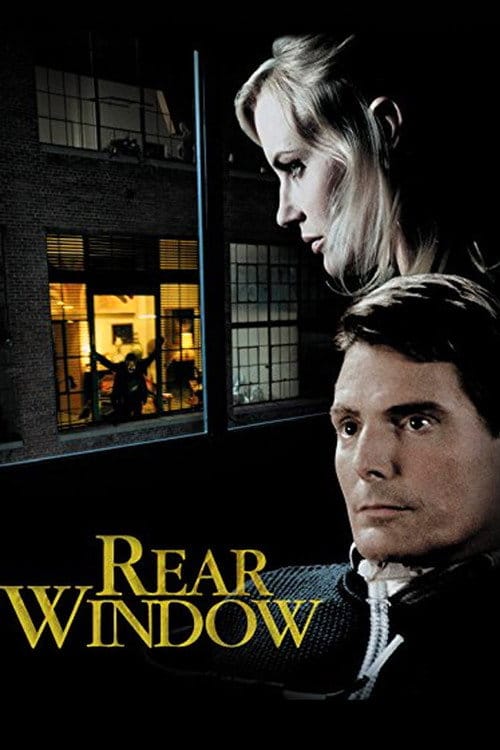
Jason Kemp ist nach einem Unfall an einen Rollstuhl gefesselt. Aus Langeweile beginnt er durchs Fenster, ein Nachbarpärchen zu beobachten. Immer häufiger gerät das Paar aneinander - bis die Frau plötzlich spurlos verschwindet.
Hauptdarsteller






Mehr wie das


Communauté
6.1
Note Trakt
152 votes
10
13
9
1
8
15
7
30
6
41
5
26
4
7
3
10
2
8
1
1
477Spectateurs
2.2KCollectés
604Listes
Avis de la communauté (2)
I
IamDWGVIPCritique★7/10Oct 14, 2016
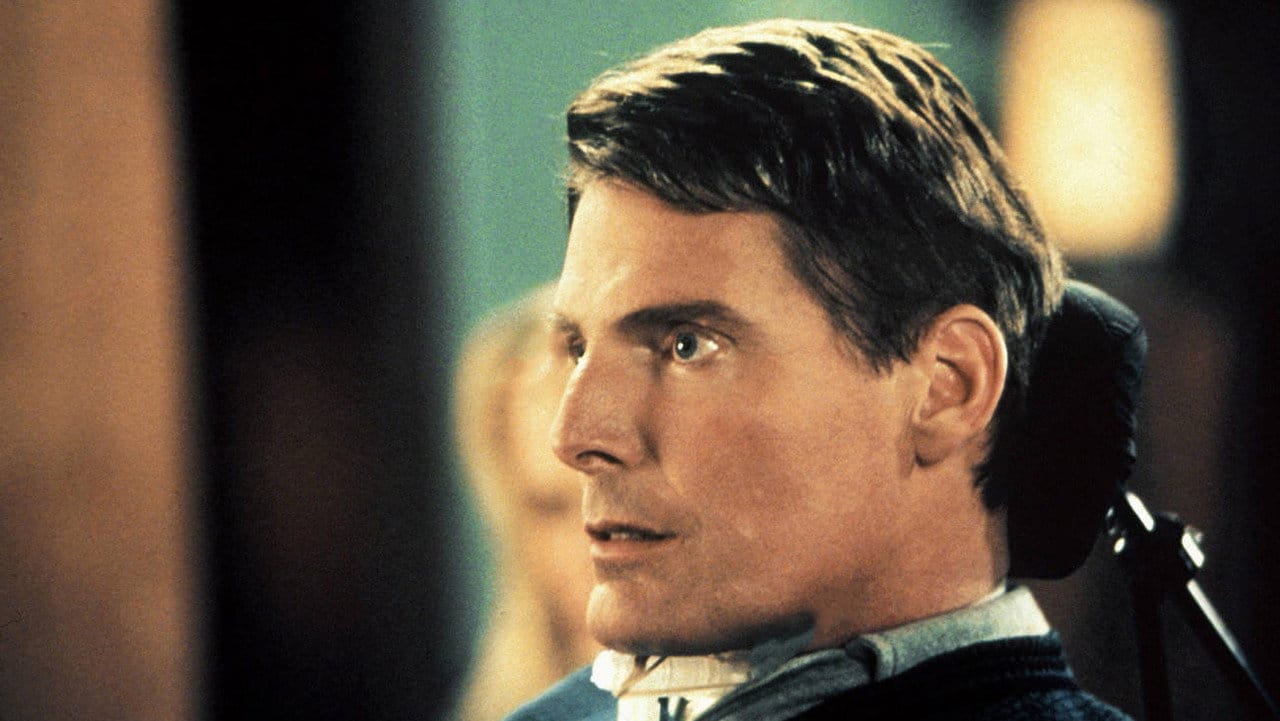
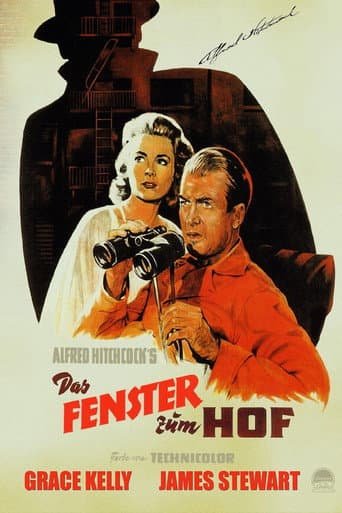
Okay, so first things first. This movie isn’t the original, nor is it really trying to be. It’s paying tribute to Hitchcock while introducing a foreign element into the mix – and that is mostly Christopher Reeve. This is his first role since his horrible accident, and he should be commended for it. Seriously. This character isn’t Jason Kemp – it truly is Christopher Reeve. He’s not only paralyzed, but he remains hopeful that science will find a cure to his condition – something Reeve also believed and fought towards. You really have to give it to him when it came to acting. This man can’t rely on body language…all he has is his head, and even then, he struggles. Yet, he is able to convey fear, worry, and happiness just with what he’s doing with his face. He is a remarkable actor and the best part of this movie. Other than Reeve who can’t use body language, almost everyone else has to rely solely on their body language. As a voyeur, he can’t hear his neighbors, only watch. So with a truly gripping and chilling soundtrack that fits perfectly with any Hitchcockian film, we watch the neighbors go about their lives using only their bodies to tell a story. For the most part, they all do a pretty decent job, albeit a bit over the top at times. The actual acting was only great when it came to Reeve, the rest were all simply okay – and in the ballpark of a TV movie. Now, onto where this movie went wrong. The suspense specifically wasn’t completely there. In a way, it was because it really exposed the harsh reality of Christopher Reeve’s condition – and how life threatening it really is – but as for the other characters, not so much. You see, Reeve’s character was constantly in a battle with his own body that even if there was no killer – he’d keep running into little things that would end up killing him in the long run. So no, I wasn’t really worried about the killer on the loose, unfortunately. Finally, now this is what made me the most upset. [spoiler] I’ll be spoiling the ending now – so if you don’t already know the story of Rear Window, stop reading now – I just have to point this out. There is no ending. They never find the body. They suggest the body is in the artwork, as the first film suggests, but when they x-ray it, they find absolutely nothing. And that is how it ends. Why? What was the point of that? There was no point to open this up for discussion. Sometimes there is, but this is not the time! Trust me, that ending made me want to change my score…but I didn’t, because it’s only really one minute out of the movie. [/spoiler] So…I digress. Go see the movie, it’s currently streaming on Netflix. It’s not as bad as people put it out to be, and its often chilling to see Reeve struggle with this real life condition. You’ll be scared thinking they actually cut off his air supply in real life…because that’s how great of an actor he really is. It’s worth it to check out at least once. Let me know what you think of it! Let me know what you think of it!
♥2
S
senbaldorVIPCritique★5/10Jun 7, 2026
# Context and Legacy - Cultural Impact - Highlighting Christopher Reeve's return to acting post-injury - Comparison to Hitchcock's 1954 original # Themes and Meaning - Core Themes - The ethics of surveillance - Isolation and the loss of agency - The thin line between curiosity and obsession # Cinematography and Design - Visual Style - Claustrophobic framing to reflect the protagonist's confinement - High-tech adaptation of the original's set design # Narrative Structure - Conflict - Voyeurism vs. Ethics - The struggle of disability in an inaccessible world - The detective-amateur dilemma # Character Analysis - Jason Kemp (Christopher Reeve) - Architect, paraplegic - Motivation: Combating boredom through observation - Arc: From passive observer to active protagonist # Summary Insights - The 1998 adaptation recontextualizes the 'voyeur' trope by grounding the protagonist's disability in the reality of Christopher Reeve's life, adding a layer of visceral vulnerability. - The film serves as a meditation on how technology alters human connection, moving from the binoculars of the 50s to the computer-aided surveillance of the 90s. - The narrative structure functions as a critique of modern society's detachment, where neighbors become subjects of entertainment rather than fellow human beings. - The film shifts the focus from Hitchcock's themes of guilt-ridden voyeurism to a more modern exploration of helplessness and the desire for autonomous empowerment.
Kritiken