Laden...
6.6·1997·135 min·English·Regie Richard Donner
Wissen kann tödlich sein.
ActionDramaMysteryThriller
Handlung
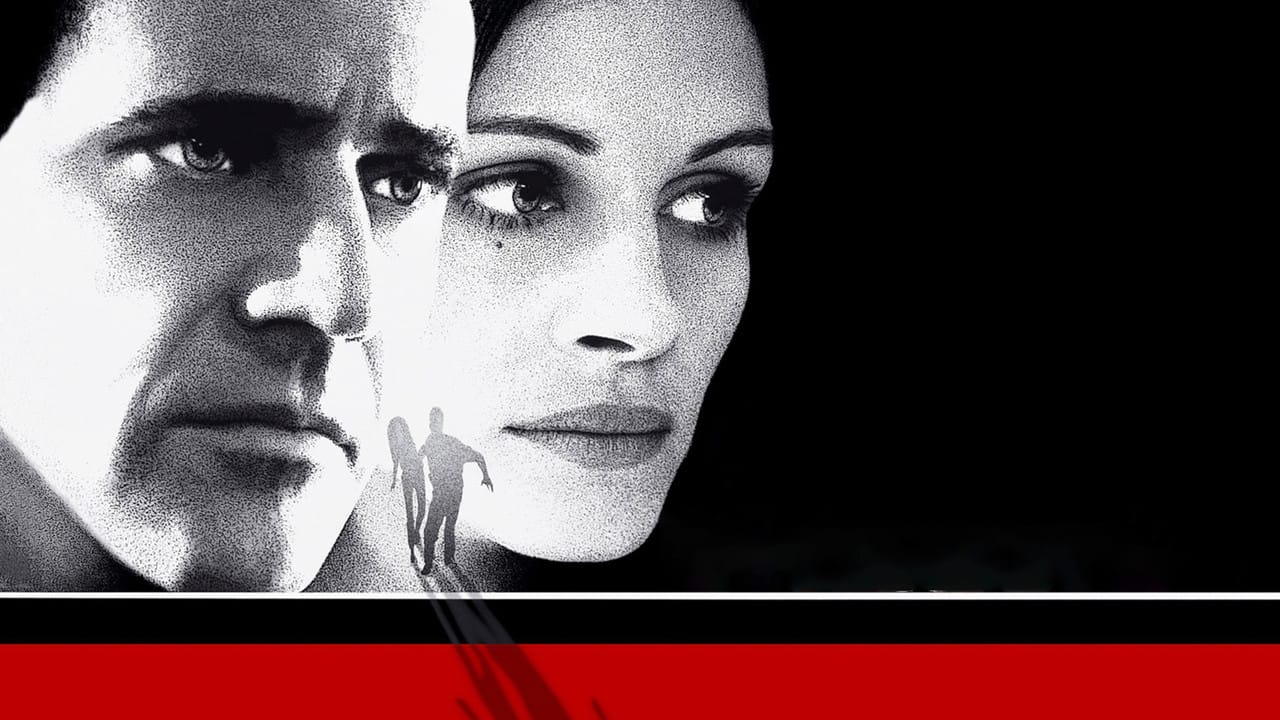
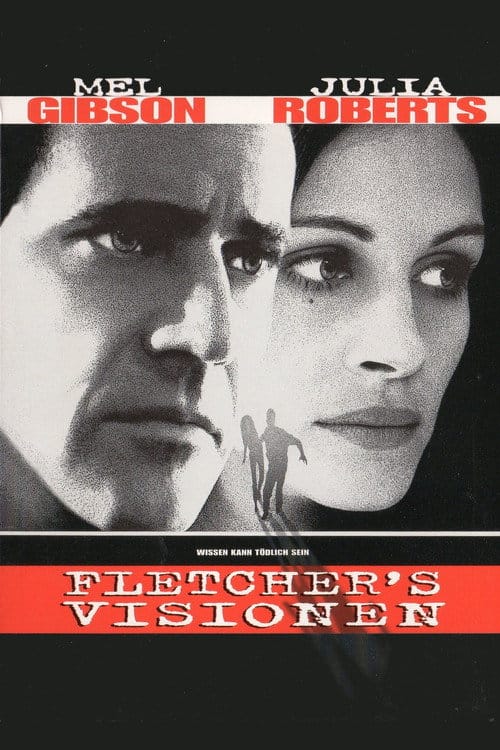
Wo immer er kann, verbreitet der New Yorker Taxifahrer Jerry Fletcher seine abstrusen Verschwörungstheorien. Doch eines Tages scheint er mit einer seiner schrulligen Visionen einen wunden Punkt des amerikanischen Geheimdienstes getroffen zu haben. Jahrelang hat ihm keiner ein Wort geglaubt, jetzt ist alle Welt hinter ihm her. Jerry hat nur eine Chance: Die ganze Wahrheit muß ans Licht...
Hauptdarsteller







Mehr wie das
Der Knochenjäger
1999·6.8
Die drei Tage des Condor
1975·7.3
Canary Black
2024·6.2

Salt
2010·6.4
Collateral
2004·7.2
In the Line of Fire - Die zweite Chance
1993·7.0
Atemlos - Gefährliche Wahrheit
2011·5.8
Malone - Nichts wird ihn aufhalten können
1987·6.0
Klute
1971·6.8
Scorpio, der Killer
1973·6.2
The November Man
2014·6.1
The Gray Man
2022·6.9
Communauté
7.0
Note Trakt
3.1K votes
10
296
9
126
8
694
7
880
6
703
5
219
4
78
3
34
2
19
1
23
11.2KSpectateurs
77.6KCollectés
4.6KListes
Avis de la communauté (8)
M
michalkaluza★9/10Jul 10, 2023
This is the clue of today life: open the web page and search the news. Than you see a lot o information that you should connect in one piece. There is more of this type of information in the last three years than in the last 40 years. They do everything to mislead you. Watch what you read!
♥3
A
ArielRodriguez★8/10Aug 5, 2022
Some plot holes, but it is so entertaining that I can forgive them. Mel Gibson is great acting as a crazy man, yet he may be too funny for the movie.
♥3
J
jarvis-8243417★7/10Feb 22, 2025
Entertaining and fun, _Conspiracy Theory_ is an exciting political thriller from director Richard Donner. Mel Gibson stars as a New York taxi driver and conspiracy theorist who seeks the help of a DOJ lawyer (played by Julia Roberts) after escaping from a CIA black ops team. The film does a good job at using the conspiracy motif; working in several popular conspiracies (such as black helicopters and RFID chips), and playing with a number of conspiracy tropes. However, this also makes things a little confusing and overly complicated at times. But, Donner’s able to mitigate some of this by keeping the tone lighthearted with bits of comedy and satire. Additionally, the score is especially well-done and brings a nice energy to the film. Though it has some problems, _Conspiracy Theory_ holds up and is an enjoyable film that’s full of suspense and intrigue.
♥1
S
Spiritualized Kaos★8/10Jan 24, 2025
Clearly, they are behind it.
♥1
S
senbaldorVIPCritique★7/10Jun 7, 2026
# Context and Legacy - Cultural Impact - Reflects 90s cultural fascination with anti-government sentiment - Influenced by the 'Cold War paranoid thriller' tradition - Box office success confirming the 'star vehicle' appeal of Gibson/Roberts # Themes and Meaning - Core Themes - Distrust of authority/shadow government - The fragility of memory and identity - Sanity versus madness in a corrupt system # Cinematography and Sound - Visual/Aural Style - Dynamic, restless camera work representing Jerry's mental state - Carter Burwell's score: Tense, minimalist strings emphasizing isolation - Urban landscape as a labyrinthine, threatening environment # Narrative Structure - Plot Progression - Inciting Incident: Jerry's abduction and escape - Rising Action: Unraveling the MKUltra-style experiments - Climax: The mental hospital rescue and final confrontation - Narrative Style: High-octane paranoid thriller with a focus on psychological instability # Character Analysis - Jerry Fletcher (Mel Gibson) - Driven by trauma-induced hyper-vigilance - Transformation from social nuisance to heroic protector - Alice Sutton (Julia Roberts) - Rational skeptic driven by the search for her father's killer - Bridge between the mundane world and Jerry's chaotic reality # Summary Insights - The film serves as a meta-commentary on the thin line between legitimate skepticism and clinical obsession. - The 'MKUltra' subplot acts as a grounded narrative anchor, validating Jerry's 'crazy' theories within the film's diegetic reality. - The relationship between Jerry and Alice represents the struggle to find truth when the state systematically erases history. - The chaotic pacing mirrors the sensory overload of a protagonist who views the world as a giant interconnected grid of hostile forces. - It captures the pre-internet zeitgeist where conspiracy culture was fueled by pamphlets and physical surveillance rather than digital echo chambers.
Kritiken