Laden...
6.6·2025·115 min·English·Regie Danny Boyle
Zeit heilt nicht alles.
HorrorThrillerScience Fiction
Handlung
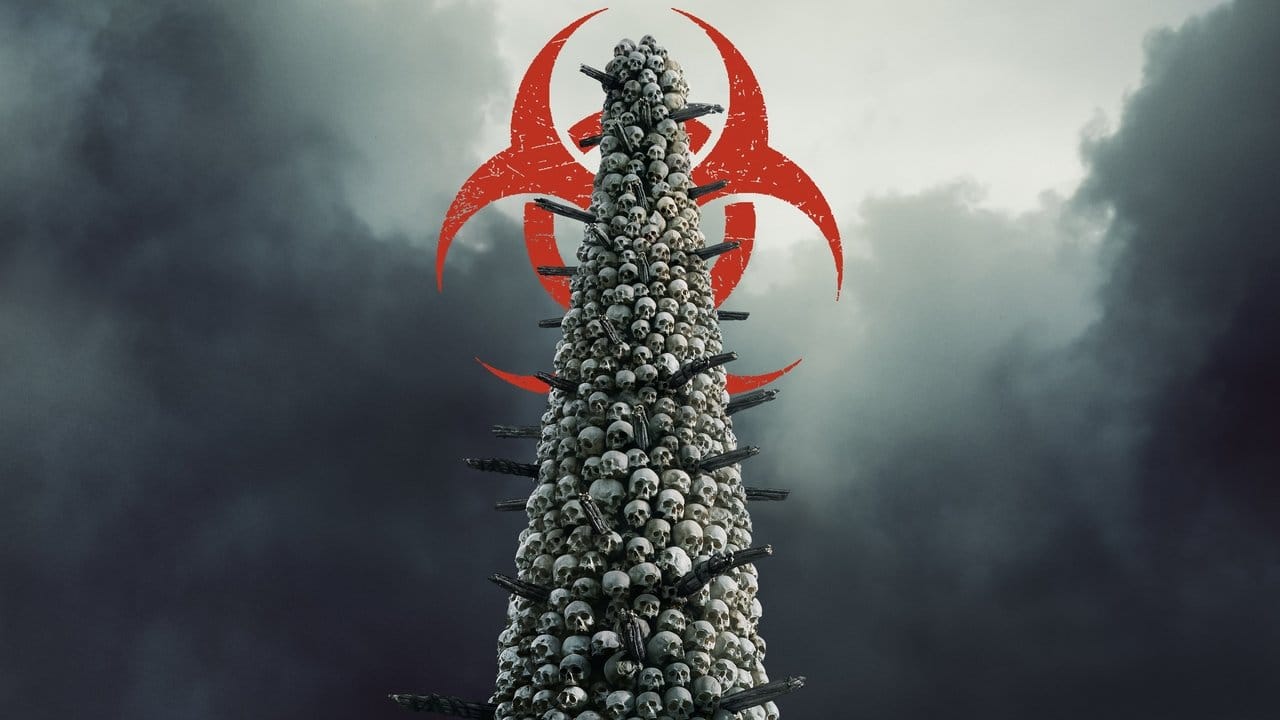
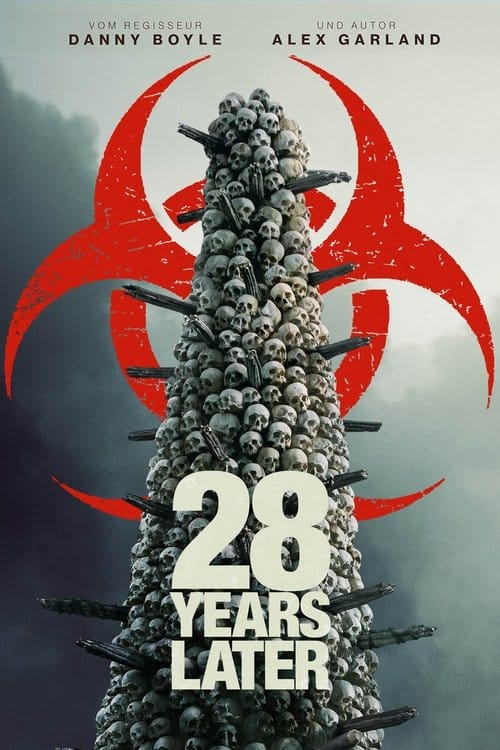
Es ist fast drei Jahrzehnte her, dass das Rage-Virus aus einem biologischen Waffenlabor entkommen ist, und noch immer gilt eine strikt verordnete Quarantäne. Einige Menschen haben Wege gefunden, inmitten der Infizierten zu existieren. Eine solche Gruppe von Überlebenden lebt auf einer kleinen Insel, die durch einen einzigen, stark verteidigten Damm mit dem Festland verbunden ist. Als einer der Bewohner die Insel verlässt, um in das dunkle Innere des Festlandes vorzudringen, entdeckt er Geheimnisse, Wunder und Schrecken und dass nicht nur die Infizierten, sondern auch die Überlebenden mutiert sind.
Hauptdarsteller
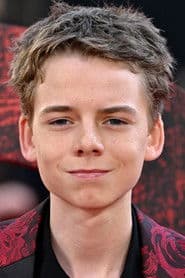
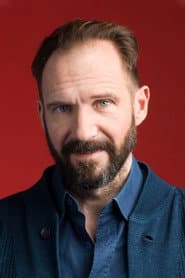

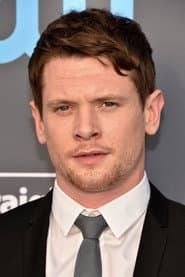
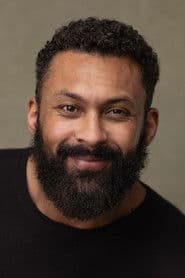



28 Days/Weeks Later Filmreihe
Mehr wie das
28 Years Later: The Bone Temple
2026·7.1
28 Weeks Later
2007·6.6
Die Alone
2024·6.3
Land of the Dead
2005·6.3
The Purge: Election Year
2016·6.4
The Girl with All the Gifts
2016·6.6
Arcadian
2024·6.1
The Descent 2 - Die Jagd geht weiter
2009·6.0
28 Days Later
2002·7.2
Wrong Turn 2: Dead End
2007·6.2
Dog Soldiers
2002·6.7
The Hunt
2020·6.7
Communauté
6.5
Note Trakt
18.4K votes
10
1.4K
9
774
8
3.8K
7
3.8K
6
4.5K
5
1.6K
4
1.3K
3
451
2
565
1
312
100.7KSpectateurs
38.6KCollectés
24.1KListes
Avis de la communauté (12)
F
fasterfilmcritic★4/10Jun 20, 2025
28 Years Later is a narrative mess. It's not about the rage virus, but an exploration of fatherhood in relation to manhood. No, it's about an unfaithful father and maternal devotion. No, it's about the dangers of steroids. No, it's about the need of supportive communities for babies born into crisis. No, it's about dealing with cancer. No, it's about self discovery and personal growth. No, it's about Christian crime fighters being cool role models.
♥67
D
dannydankVIP★6/10Jun 30, 2025
28 Inches Later The infection just grew… and grew
♥65
A
AlfieSGDVIPCritique★9/10Jun 20, 2025
There are few films that have had as much of an impact on me as “28 Days Later.” I watched it several times in my youth, sometimes three times in a row, and I was always thrilled. The film was also instrumental in breathing new life into the zombie genre in the early 2000s. The sequel, “28 Weeks Later,” this time without director Danny Boyle and screenwriter Alex Garland, was decent, but it was also a very conventional take on the genre. The question that most intrigued me before watching “28 Years Later” was definitely what prompted Boyle and Garland to return to this world after more than two decades. And it quickly becomes clear that they had no interest in retelling the same story. On the contrary, “28 Years Later” is refreshingly unpredictable. It is primarily a coming-of-age film set in a fascinating world where the apocalypse has affected a small part of the globe while the rest of the world simply carries on. In 28 years, the infected have evolved, and the survivors have developed their own unique structures. Boyle's direction makes for a thoroughly captivating film to watch. The editing takes some getting used to, but it is also extremely creative, and the landscapes are skillfully showcased. The screenplay is also worthy of praise. There is suspense and horror as well as a surprising amount of humor, with the plot clearly divided into two parts. Alfie Williams plays the lead role in both sections, and the young actor delivers an impressive performance. Jodie Comer and Aaron Taylor-Johnson are also good, and it should come as no surprise that Ralph Fiennes does a great job in his minor role. That leaves the ending to mention, which is sure to divide viewers. The sequel is already reportedly in the can, and after this ending, it is likely to take on a very different tone. This would be true to the spirit of “28 Years Later,” because the unpredictability is what sets the film apart. Ultimately, I am thrilled that a blockbuster in 2025 is willing to take such risks.
♥44
R
ramoseshCritique★1/10Jun 19, 2025
This is probably the worst movie I’ve seen in a decade and it’s especially bad because it has almost no connection to the tone of the previous films. If you're expecting, like I was, something similar to the other two movies, forget it. The first half of the film feels somewhat consistent with the previous ones (and to be fair, it’s actually pretty interesting), but the second half takes a completely different direction and not in a good way. The tone shifts drastically, and the interactions become forced, awkward, and completely unnatural. Just when I thought it couldn’t get any worse, the movie hit me with the final scene. That last scene was the most cringe-worthy and completely random thing I’ve ever witnessed. It was so absurd that it instantly turned the film into a trash movie and I hate trash movies. That wouldn’t be a problem if I had been expecting it, but guess what the two previous movies weren’t trash movies. So it’s completely natural to go in and not expect a fucking trash movie scene. It honestly felt like the director was playing some kind of joke on the audience and we were the punchline for expecting anything meaningful from this film. And the worst part: there wasn't John Murphy's music (In The House - In a Heart Beat), it should be considered a crime and should outrage any sane person.
♥42
K
kenmelloVIP★8/10Jun 20, 2025
♥28
Kritiken