Laden...

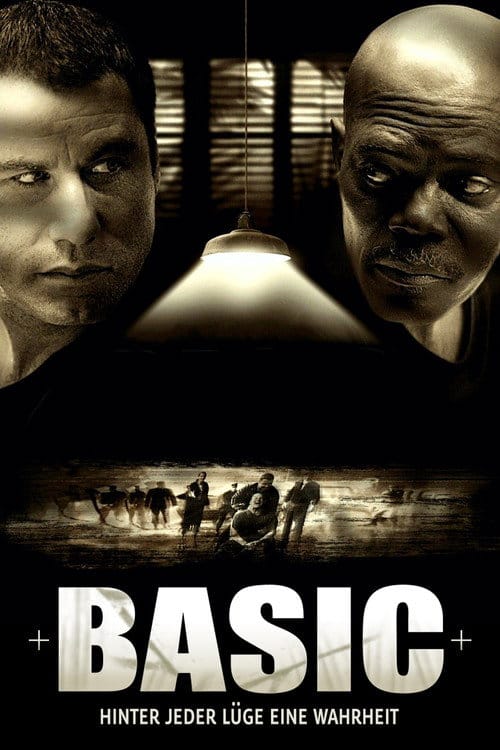
6.5·2003·98 min·English·Regie John McTiernan
Hinter jeder Lüge eine Wahrheit
ActionThrillerKrimi
Handlung
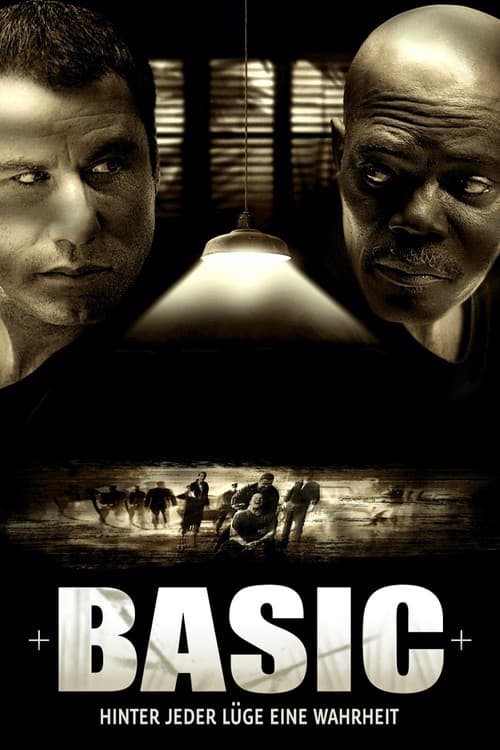
Panama, 1999: Der DEA-Agent Tom Hardy soll zusammen mit Lieutenant Julia Osborne einen mysteriösen Fall aufklären. Während einer Übung verschwand der bekannte Ausbilder Seargent Nathan West zusammen mit einer Handvoll Männer spurlos im Regenwald. Als die beiden die Überlebenden befragen, verfangen diese sich in Widersprüchen und unterschiedlichen Aussagen. Was geschah wirklich im Urwald?
Hauptdarsteller







Mehr wie das
Sniper - Der Scharfschütze
1993·6.2
Sniper: No Nation
2026·6.6
Sniper: Rogue Mission
2022·6.2
The Assignment - Der Auftrag
1997·6.4

The Virtuoso
2021·5.9
Road of No Return
2009·5.9
Wire Room
2022·6.1
In the Electric Mist - Mord in Louisiana
2009·6.1
The Enforcer
2022·7.0

Six Bullets
2012·6.3
Triple Frontier
2019·6.3
Killer Elite
2011·6.3
Communauté
6.9
Note Trakt
2.1K votes
10
231
9
98
8
442
7
552
6
480
5
123
4
75
3
30
2
53
1
24
7.3KSpectateurs
69.7KCollectés
3.8KListes
Avis de la communauté (10)
G
great_vcVIP★8/10Jun 7, 2016
very exciting movie. A nice paced thriller with a lot of twists and a great ending
♥2
V
vinylpooch★7/10Jul 8, 2025
Nicholas Cage was brilliant in this.
♥1
D
DRNKMNKY★7/10Jul 15, 2015
♥1
M
moviebinger★7/10Jul 7, 2026
EHI TU! 📺🎬 Clicca il link qui sotto per leggere la Recensione Bingerizzata (no spoiler) + Voti Inutili di questo film! 👀👇 https://www.instagram.com/p/CyF9vX-Iash/?igsh=N2dhNWwwczY3ajRy #moviebinger
S
senbaldorVIPCritiqueJun 7, 2026
# Reception and Legacy - Critical Reception - Polarized views on the twist-heavy screenplay - Recognition for the strong central performances of Travolta and Jackson # Themes and Meaning - The Fluidity of Truth - Truth as a social construct within military hierarchies - The danger of narratives rewritten by the powerful - Deception as a survival mechanism - Moral Ambiguity - Erosion of ethics in black-ops environments - The 'Basic' nature of human survival instincts # Cinematography and Style - Visual Language - High-contrast lighting during interrogation sequences - Gritty, desaturated color palette for flashback sequences - Rain-drenched atmosphere reflecting psychological chaos # Narrative Structure - Unreliable Narrator - Rashomon-style storytelling - Conflicting testimonies from survivors - Recursive plot twists undermining objective reality - Key Conflicts - Military corruption vs. personal integrity - Truth vs. perception - The struggle to maintain identity under extreme pressure # Character Analysis - Tom Hardy (John Travolta) - Former Ranger turned DEA investigator - Driven by a past shadowed by allegations of corruption - Manipulation as a tool for uncovering the truth - Nathan West (Samuel L. Jackson) - Brutal, demanding training officer - Symbol of rigid military hierarchy - The catalyst for the psychological breakdown of his unit # Summary Insights - The film serves as a meta-commentary on the nature of military propaganda, where the 'official report' is merely the first layer of a curated deception. - By utilizing the 'Rashomon effect,' the director forces the audience to confront their own bias in believing characters based on their social status and military rank. - The constant shift in narrative perspective illustrates that in a high-stakes, violent environment, truth is the first casualty of institutional cover-ups. - The ending implies that the 'hero' and the 'villain' are indistinguishable in a world where moral relativity is the only constant.
Kritiken