





Star Trek
Star Trek: Voyager
Star Trek: Enterprise
النجم اللامع
ستار تريك: عوالم جديدة غريبة
متمردو حرب النجوم
حرب النجوم: حروب المستنسخين
Star Wars Resistance
Battlestar Galactica
Star Trek: Deep Space Nine
أسوكا
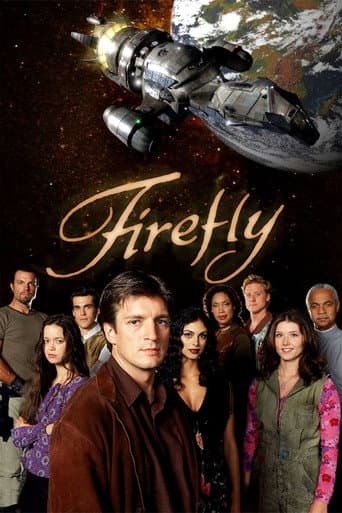
Firefly
Avis de la communauté (10)
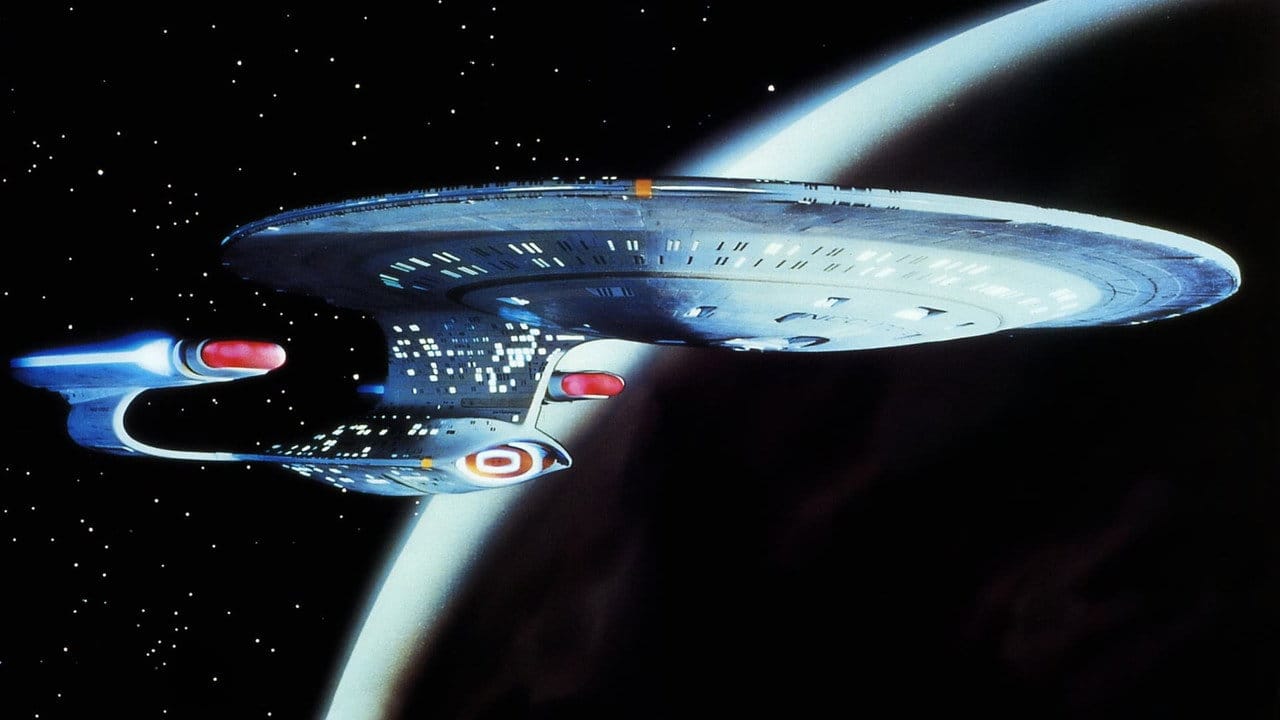
Watching this series in 1080p with DTS audio creates a whole new experience, quite different from the original broadcast and the DVD's. It's like re-discovering it in wonderful ways. After binge watching the first season, I can say the re-mastered version has subtle differences from the DVD's. The cuts are more precise, some scenes are dropped or shortened and the effects look crisp and clear. You can actually read some of the small letter text (hilarious in some cases), and make out the hull lettering in every Federation ship. Hey, I didn't even know the Enterprise had a side hull ID with the name, and a smaller lettering in the nacelles (that one is only there in the first season). If you haven't seen the Blu-ray release, you haven't seen this series at all.
TNG is one of the best series in Star Trek and sets the tone for the entire franchise. It looks AWESOME in HD!
Talking about Star Trek: The Next Generation is not just talking about a TV series. It’s talking about a way of understanding the world. About a vision of the future that doesn’t rely on force, fear, or the humiliation of others. Everything here follows a different path: thinking before acting, putting yourself in someone else’s place, and accepting that every decision, even the right one, carries moral weight. From the very beginning, TNG makes it clear that it’s not interested in easy spectacle. It doesn’t aim to dazzle with fireworks or shock value. It wants to think—and it wants you to think with it. There’s no rush, no need to raise voices. Emotions don’t need to be underlined because everything is built through dialogue, doubt, and uncomfortable questions that often have no clean answers. Action here isn’t about shooting first. Action is about deciding. Deciding well. Deciding badly. And living with the consequences. In a television landscape obsessed with immediate impact, TNG does something almost radical: it trusts the intelligence of its audience. Jean-Luc Picard is not a conventional hero. He doesn’t dominate or intimidate. He leads by listening. By thinking. By accepting that perfect solutions don’t always exist. His authority comes from respect, not fear—and in this series, respect is earned through principles. What many people today label as “woke” was already here. The difference is that it didn’t need slogans. Racism, authoritarianism, colonialism, identity, individual rights, gender, cultural diversity—all of it was explored with restraint and intelligence, through ethical conflict rather than preaching. TNG doesn’t tell you what to think. It places you inside a moral dilemma and leaves you there. What defines a life? What makes someone a person? Where do rights begin? When does obedience become complicity? That’s where Data becomes essential. Through a character who isn’t human, the series explores humanity better than almost anything else on television. These stories aren’t about technology; they’re about dignity. The Federation itself isn’t naïve or perfect. It’s full of contradictions and temptations toward control. And that’s the point. The series understands that authoritarianism doesn’t always arrive with uniforms—it often comes wrapped in reasonable arguments. No episode feels disposable. Even the quieter ones add something: a question, a fracture, a reflection. This isn’t a show with filler—it’s a show built on necessary conversations. The performances match that ambition. Nothing is exaggerated. Everything feels measured and human. Patrick Stewart anchors the series with restraint, while the rest of the cast grows organically, creating characters defined by contradictions rather than archetypes. TNG doesn’t confuse darkness with depth. It can look directly at injustice without becoming cynical. It criticizes power without replicating it. That’s why it still matters. Not out of nostalgia, but coherence. It believed in what it was saying—and it still challenges us to live up to it.
The show that put science fiction back on T.V. and made it serious again. A lot of excellent written concept shows that newer shows have recycled or done entire series from. Patrick Stewart became a superstar and is a big reason why the series work as he spits out dialogue and science babble as the Bard himself should have written it. He got help from a very well-balanced ensemble and The Star Trek universe became bigger, deeper and even more interesting than before. Since the show consist of many stand alone stories, every single episode "hit-and-miss" depending on how lucky the writer was with his/her idea and how the production and director executed the story. The first two seasons did have a lot of stinkers and there was too much of Wil Wheaton's Wesley Crusher during that time who was a terrible character on the show when he was a regular while his stories as a guest star later was excellent. Some cheesy moments also make this series a lot more dated than it should have been. My main problem though is that the series lack character continuity as most of the personalities comes through in dialogue and small moments and they never change by events from episode to episode (most remarkable is when Geordi LaForge who got brainwashed in one show but is just as good and normal the following episode). Still, this is a show that set the standard for science fiction for the next two decades and is full of entertainment value. If one only skips the worst written episodes that is.
resistance is futile. you must watch the whole series again.