جاري التحميل...
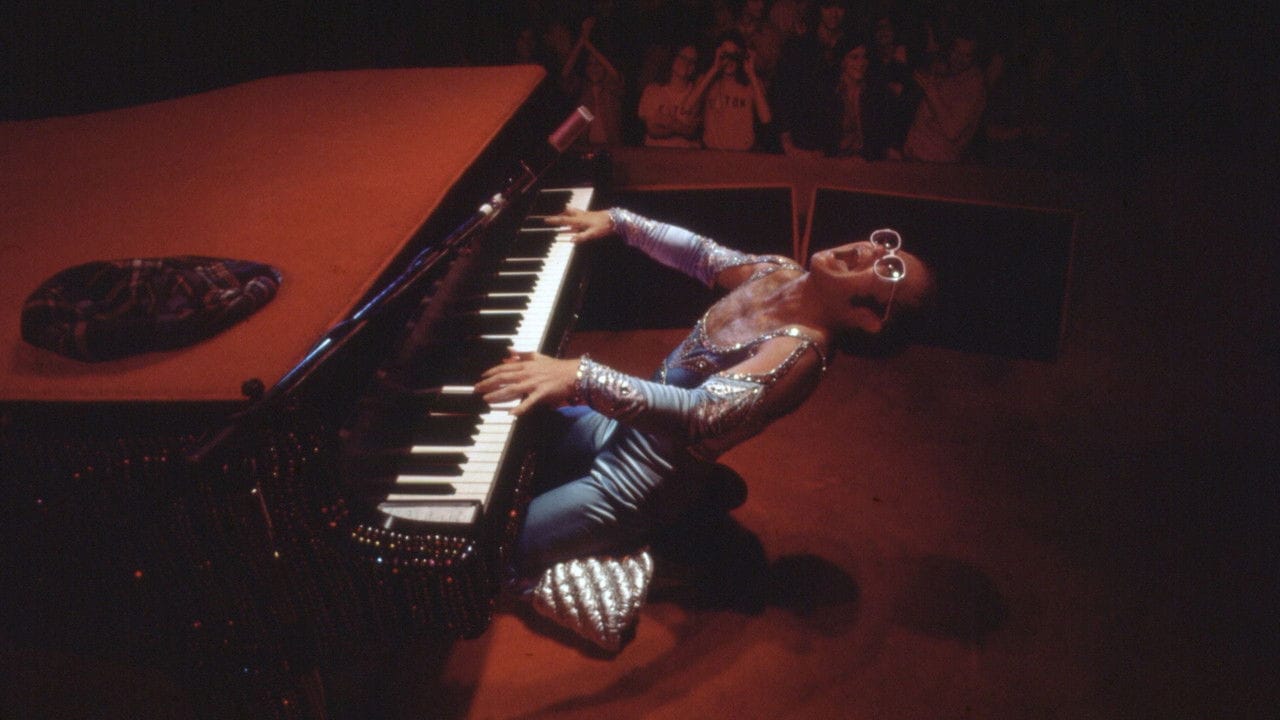
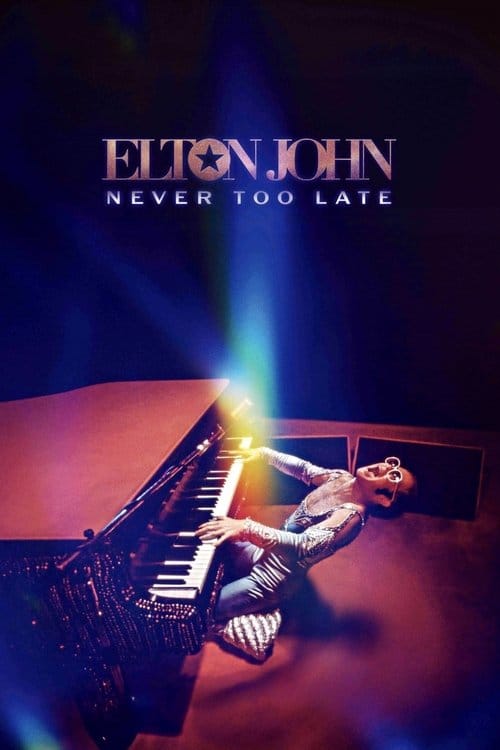
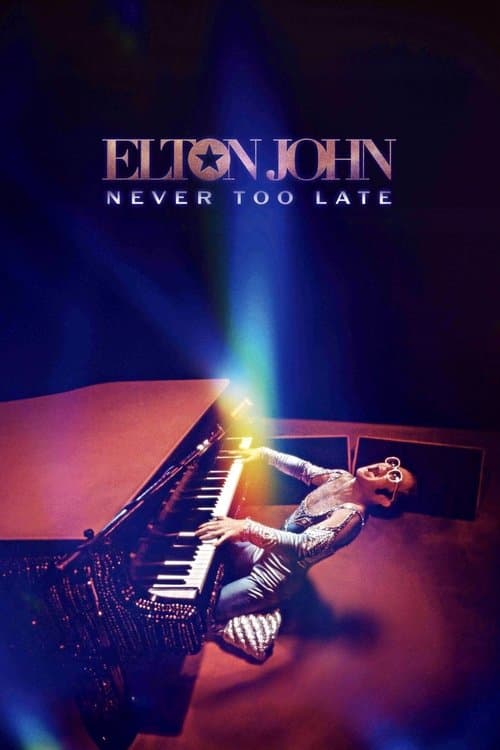
6.5·2024·102 min·English·إخراج ر. جاي كاتلر
وثائقيموسيقى
الممثلون الرئيسيون



المزيد مثل هذا
ليل بيب: كل شيء للجميع
2019·8.5
Cobain: Montage of Heck
2015·7.6
TINA
2021·7.7

Amy
2015·7.6

Selena Gomez: My Mind & Me
2022·8.5
Let's Get Lost
1988·7.1
Moonage Daydream
2022·7.5
Imagine: John Lennon
1988·7.0

Demi Lovato: Simply Complicated
2017·7.7

Matangi / Maya / M.I.A.
2018·7.7
The Rise of the Red Hot Chili Peppers: Our Brother, Hillel
2026·7.3
Beastie Boys Story
2020·7.5
Communauté
7.1
Note Trakt
331 votes
10
49
9
18
8
60
7
73
6
89
5
25
4
11
3
1
2
2
1
3
1.5KSpectateurs
19.4KCollectés
832Listes
Avis de la communauté (4)
S
siggi963★6/10Jan 20, 2025
As much as I like the music of Elton and also the man, who seems to be a great and fun chap, this documentary is essentially for hardcore fans. It feels like an unscripted podcast, where they think on screen about what to say and do next. Furthermore, it also is more a compilation of anecdotes from Eltons life rather than a full fledged documentary that sheds light and makes a critical anysis on the life of Elton. As I said, it is for hardcore fans of the man. Enjoy if you are. I find that you get to know more about the man when you watch the movie “Rocketman”.
♥2
S
sixhoursagoVIP★6/10Feb 17, 2025
So shiny. brb, some glitter in my eye. ✨
A
AlfieSGDVIP★6/10Feb 7, 2025
In the documentary “Never Too Late,” Elton John looks back on his career. As expected, the focus is on his music, so no one will be particularly surprised by the film in the end. And ultimately, the movie “Rocketman” is probably the more entertaining way to learn about the legendary musician. But this documentary also provides an interesting insight. So it's definitely worth watching if you enjoy Elton John's music.
H
heyflpCritique★6/10Jan 26, 2025
“Elton John: Never Too Late” is a documentary clearly made with love, but not necessarily with boldness. It works like a carefully curated scrapbook, celebrating his journey without too many surprises—maybe that’s why it lacks that element of unpredictability that makes a documentary truly memorable. Co-directed by David Furnish, Elton’s husband, alongside the experienced R.J. Cutler, the film seems to take an overly reverent approach—understandable, given the personal involvement of the filmmakers, but it also limits the potential for a more critical or revealing perspective. For longtime fans, it’s a comforting experience; for those less familiar, it might feel like a predictable stroll through well-known milestones. The documentary’s narrative follows a conventional format, mixing archival footage, interviews, and performances, but it doesn’t have the energy or visual creativity of “Rocketman” (2019), which took a more inventive approach to Elton’s life. Here, live performances and old photo montages serve to highlight key moments in his career, but there’s a constant feeling that the film could have gone deeper. Elton’s journey is fascinating in itself, but the documentary plays it safe, revisiting major events like his meteoric rise in the ‘70s, his decades-long partnership with Bernie Taupin, his struggles with addiction, his rocky relationship with manager John Reid, and, of course, his search for acceptance and personal happiness. All of this has been extensively covered before, and that sense of déjà vu takes away from the experience. What sets this documentary apart is how it explores Elton’s more recent years, particularly his decision to step away from the stage to spend more time with his family. This adds an interesting emotional layer, especially when he reflects on his mortality with surprising honesty. It’s a moment that could have been explored more intimately, but the film chooses to keep an optimistic tone rather than diving deep into the insecurities and vulnerabilities that come with that realization. Even so, it’s genuinely touching to see him talk about his kids’ future and his awareness that he might not be around to witness all their dreams come true. Visually, the documentary doesn’t break any new ground. It leans heavily on a traditional style, with editing that sometimes cuts off musical immersion just when you’re starting to feel connected. It’s frustrating to see that instead of fully diving into a performance, the film often jumps to interviews or archival footage, breaking the narrative flow. The one standout exception is his performance with John Lennon at Madison Square Garden, which brings a kind of energy and historical weight that’s missing from other parts of the film. Other than that, the insistence on not showing full musical numbers reduces the emotional impact of the songs, which, after all, are the backbone of Elton’s career. Despite its conservative choices, the film does manage to capture something essential about Elton John—his resilience. The archival footage shows a man who’s been through deeply unhappy moments, especially during the years of heavy drug use and struggles with identity, and it’s fascinating to see how his expression changes over the years, reflecting his inner battles. The montage of old photos—often showing an exhausted and distant Elton—contrasts with the more grounded and fulfilled figure we see today, creating an emotional impact that might just be the documentary’s strongest point. Another interesting aspect is how the film addresses the evolution of Elton’s voice. In the older footage, we hear his incredible vocal power, with crystal-clear high notes and unstoppable energy, while in more recent performances, there’s a noticeable adaptation. His voice is deeper and more controlled now, reflecting a maturity that brings a different kind of emotion to his music. It’s a subtle but powerful reminder of the passage of time and the inevitable changes that come with it. Overall, “Elton John: Never Too Late” is a documentary that delivers exactly what you’d expect—nothing more, nothing less. It celebrates an icon with respect and affection but doesn’t take any risks in exploring the more complex layers of his personality. For fans, it’s a chance to revisit Elton’s career with nostalgia and appreciate everything he’s achieved. But for those looking for a deeper and more revealing dive, it might feel like there was so much more to say—or at least a bolder way to tell it.
المراجعات