جاري التحميل...
6.9·2021·110 min·Deutsch·إخراج Philipp Stölzl
تاريخدراماحربإثارة
الممثلون الرئيسيون









المزيد مثل هذا
Communauté
6.9
Note Trakt
274 votes
10
17
9
16
8
60
7
78
6
67
5
16
4
10
3
4
2
5
1
1
779Spectateurs
10.7KCollectés
503Listes
Avis de la communauté (2)
S
Spiritualized Kaos★8/10Feb 17, 2026
So, to play chess, you have to be mad.
Z
Zoran81Critique★9/10Jun 24, 2025
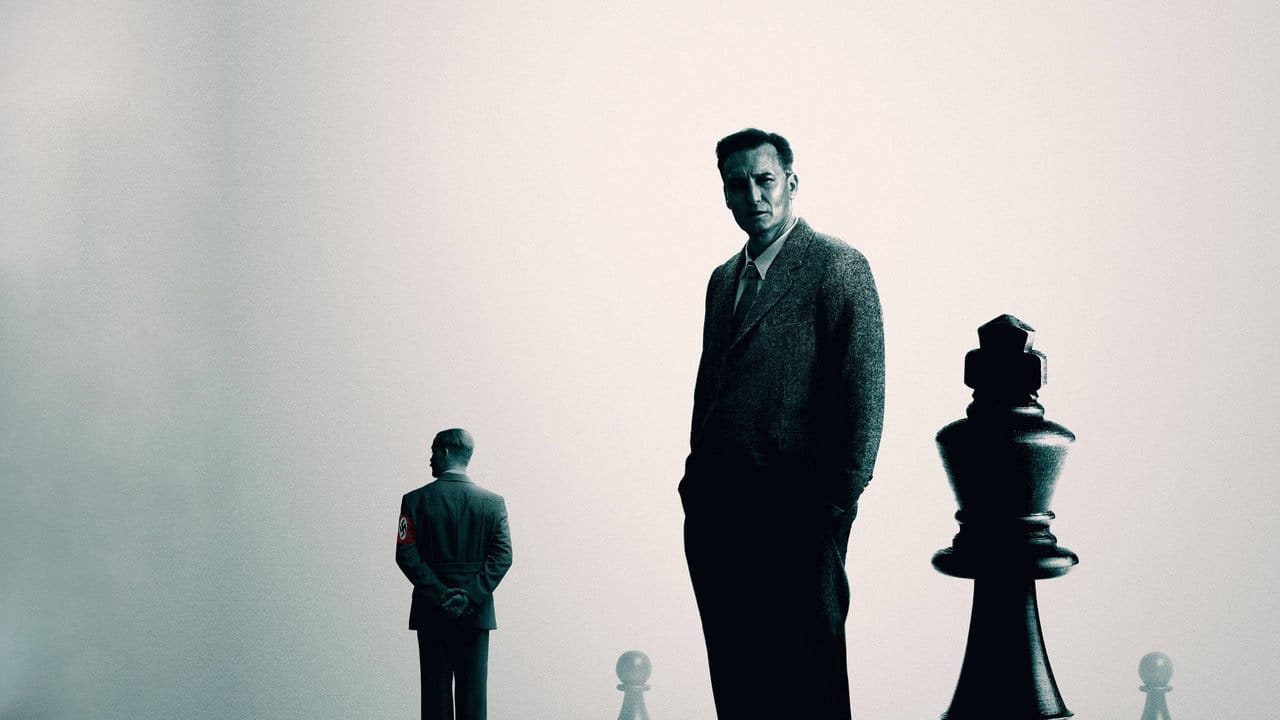
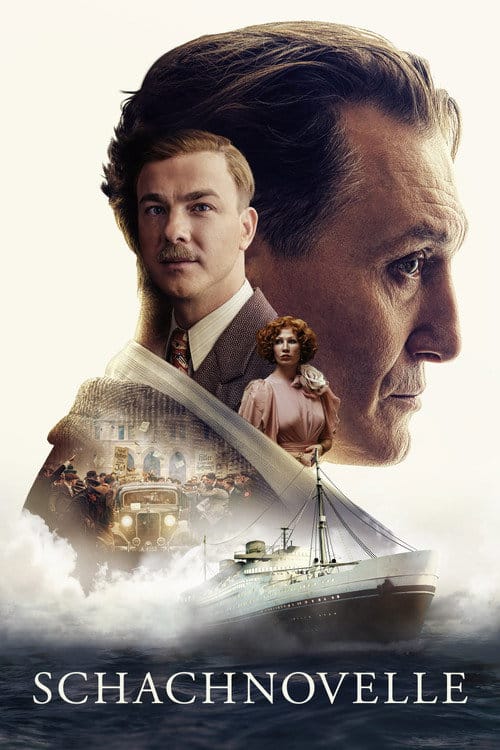
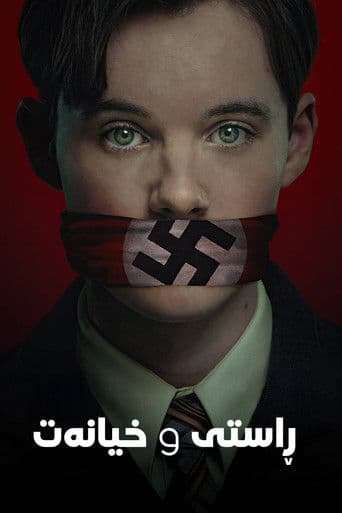
There’s a part of me that wants to write endlessly about Chess Story – and another part that doesn’t want to write a single word. It affected me deeply, and the film is crafted so well that it doesn’t need to be dissected to be understood. You just need to watch it. It speaks through silence, through every pause, every look. The film is dark, profound, and intellectually constructed. Director Philipp Stölzl makes a lasting impression, even though he distances himself from Stefan Zweig’s original by giving the Gestapo a face and portraying Bartok’s wife Anna. These choices make the story more concrete, but they also change its tone. Personally, I think it works. The acting is masterful – Oliver Masucci is absolutely phenomenal in the lead role. His facial expressions alone, in several scenes, evoke deep frustration and sorrow. It’s not just a performance; it’s something visceral. Albrecht Schuch, as the cold Gestapo officer, is another standout. He’s brilliant, though I wish he had been given more screen time. His restrained brutality leaves a strong impression. In many ways, this is an alternate tribute to Zweig’s Chess Story, where the original’s inner monologue and psychological tension are translated into cinematic language. The film focuses clearly on isolation and the breakdown of the self – and we witness this unraveling, piece by piece, until the line between reality and delusion dissolves. This is a film about an internal psychological journey, where Bartok moves between hope and despair. Hope, when he manages to steal a book and starts understanding the game of chess. Despair, when the Gestapo takes the book and destroys the chess pieces he had made from scraps in the bathroom. Like so many others in darkness, he turns to something for comfort. In his case – chess. And it raises a broader reflection: how many people turn to faith or rituals after war, trauma, or grief? So what do we actually see? A psychotic episode? A man trapped in his trauma? A worldview shaped by mental illness? In my opinion – yes. Stölzl doesn’t just adapt Zweig – he tries to capture him, in spirit, in emotion, in metaphor. The film also opens up a wider discussion. What does isolation do to us? What happens when we’re cut off from human contact, when there’s no mirror for our thoughts? Today, we know that loneliness can shorten life expectancy. This film shows it – with rawness, beauty, and an emotional intensity that lingers. Some critics have argued that Bartok’s slow descent into madness feels melodramatic. I disagree. That descent is the point. This is a film about a man’s emotional collapse under total isolation – and the filmmakers succeed, especially through Masucci’s incredible presence. And if you haven’t read Zweig’s Chess Story – do it. It’s one of the great portrayals of psychological endurance and human dignity under pressure. 🌟 Rating: 9/10 A dark, layered, and underrated film. If Albrecht Schuch had been used more, it might’ve been a perfect 10. Production: 9/10 Cinematography: 10/10 (Masucci’s portrayal of Bartok is insanely good) Authenticity: 10/10
المراجعات