جاري التحميل...
6.9·2024·113 min·日本語·إخراج 空音央
دراماخيال علمي
الممثلون الرئيسيون










المزيد مثل هذا








Communauté
7.2
Note Trakt
124 votes
10
14
9
13
8
33
7
27
6
22
5
6
4
4
3
1
2
2
1
2
461Spectateurs
9.1KCollectés
621Listes
Avis de la communauté (6)
E
Enes_★1/10Aug 1, 2025
This film was far below my expectations. I don't normally watch this kind of film, but I wanted to give it a chance. Even though I've seen it, I still don't understand the plot. The acting is bad, and the script is boring. It's slow-moving. If you can't find a movie to watch, go ahead and watch it. Other than that, I don't think it's worth your time.
♥2
A
AchrontrackCritique★9/10Dec 16, 2025
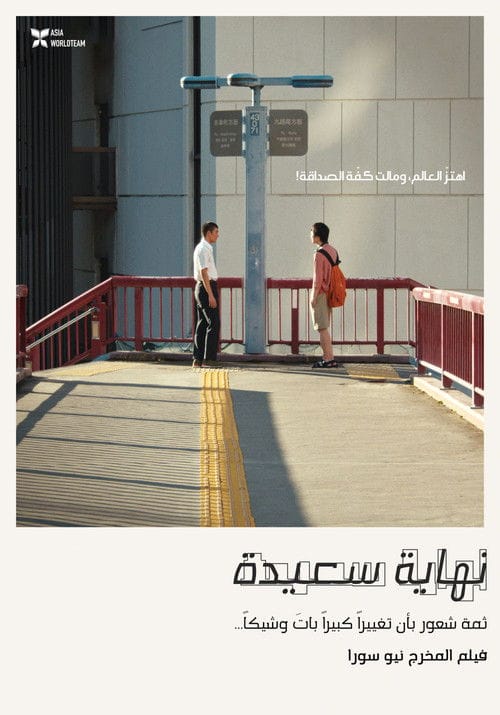
After watching Neo Sora's Happyend, I felt a complicated sense of resonance. The film reminded me of my own youth, but it felt like a version with a filter applied -- clean, restrained, and aesthetically pleasing. My own youth had no such filter. One detail in the film stayed with me. The school principal openly voices his inner thoughts, even directly telling the students who resist him: you are about to graduate, and what you are doing now will not benefit you in any way. This willingness to say things plainly already reveals a kind of weakness in power. By contrast, our own acts of resistance back then achieved nothing. Principals and teachers did not even bother to articulate these arguments -- or what they believed to be arguments -- to us. Not because they lacked reasons, but because they did not need to explain themselves. Within a school system that functioned almost like a prison, they exercised an absolute sense of control. Resistance was not something that required a response. The reason I chose to watch Neo Sora's films in the first place actually comes from an interview, in which he said that friendship is a relationship similar to queerness. That remark suddenly made me think of how, in many intimate relationships in China, partners are expected to restrict each other's access to external social circles, discouraging or even forbidding the formation of friendships. As a result, friendship itself begins to resemble a kind of queer relationship -- an alternative form of intimacy that exists outside what is considered a proper or legitimate bond. In this sense, friendship does begin to resemble queerness: a form of closeness that is real and necessary, yet not fully recognised within dominant relationship structures.
♥1
S
shiny3651Jan 5, 2026
M
midna★5/10Oct 27, 2025
S
Saint Pauly★6/10Oct 1, 2025
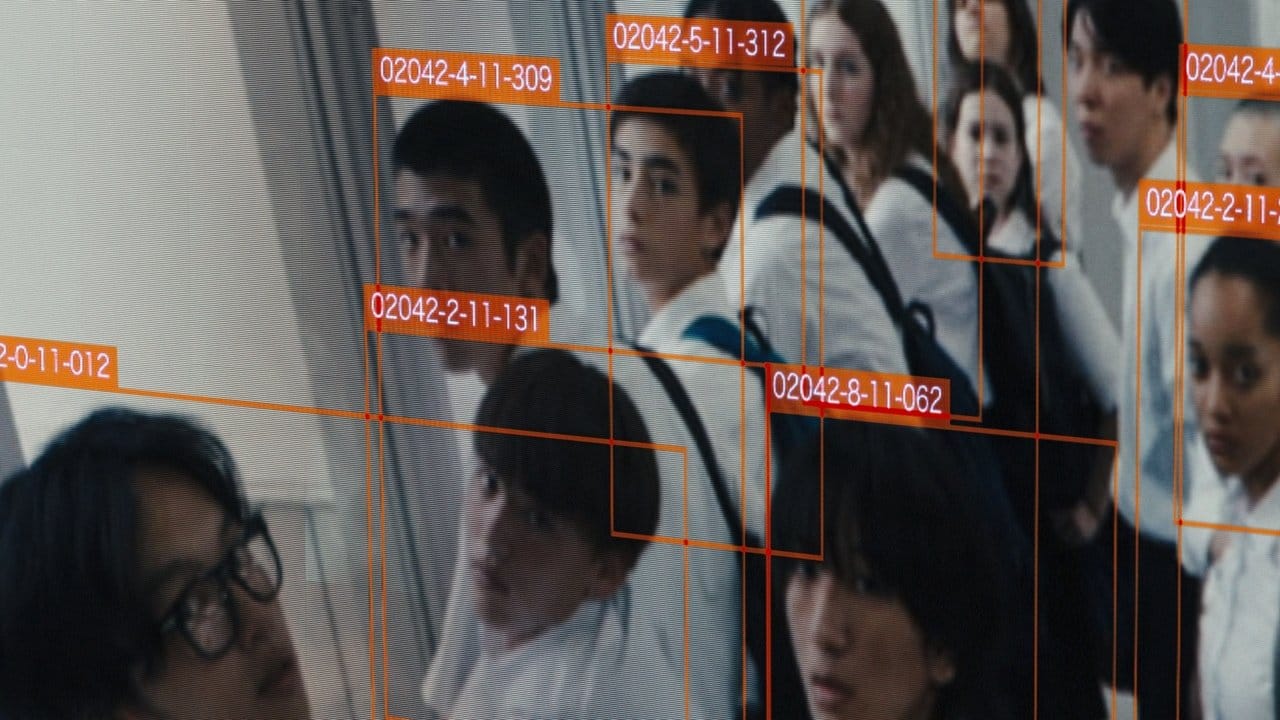
Like an EDM ballad: sweet and repetitive as you wait for the bass to drop but then it never really does. A group of Japanese high schoolers try to stick together during their senior year under the scrutiny of an invasive security system and a thin cloud of fascism, racism, and privilege. All of this imbued with the threat of a 100-year earthquake. With so much going on, it's surprising how slow this feels. Seriously, it's 50 minutes shorter than _One Battle After Another_ but feels longer.
المراجعات