جاري التحميل...
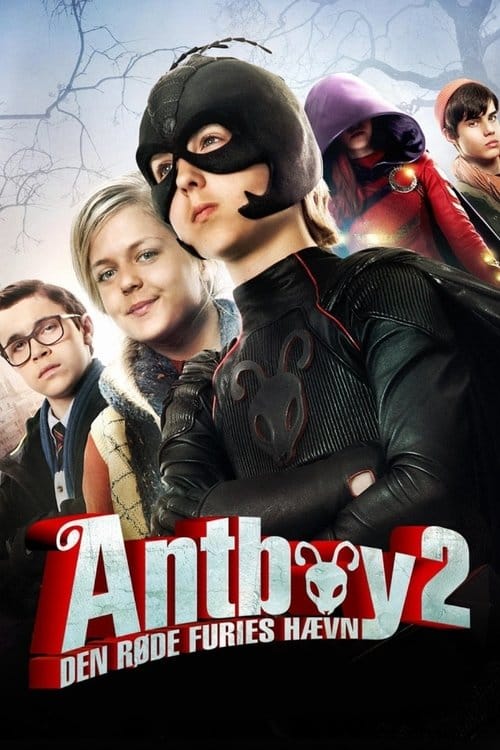
6.4·2014·84 min·da·إخراج Ask Hasselbalch
مغامرةكوميدياعائليفانتازيا
الممثلون الرئيسيون

Oscar Dietz
Pelle Nøhrmann / Antboy

Samuel Ting Graf
Wilhelm

Amalie Kruse Jensen
Ida

Astrid Juncher-Benzon
Maria / The Red Fury

Marcuz Jess Petersen
Allan / Terror Twin
Johannes Jeffries Sørensen
Mark / Terror Twin
Hector Brøgger Andersen
Christian

Cecilie Alstrup Tarp
Amanda
Boris Aljinovic
Maria's Father

Torbjørn Hummel
Maria's Father (voice)
Antboy Collection
المزيد مثل هذا
Batman and Harley Quinn
2017·6.2
فلورا ويوليسيس
2021·6.5
المقر السري
2022·6.4
Antboy 3
2016·6.9

Vampire Academy
2014·6.3
Love and Monsters
2020·7.3
Teenage Mutant Ninja Turtles II: The Secret of the Ooze
1991·6.2
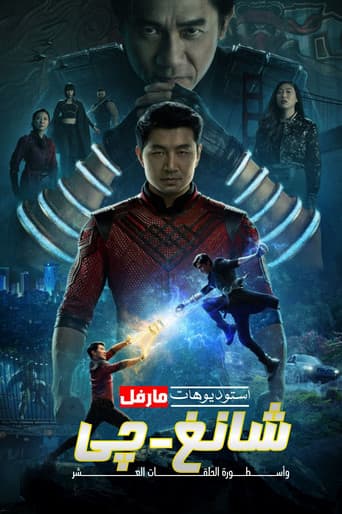
شانغ تشي وأسطورة الحلقات العشر
2021·7.5
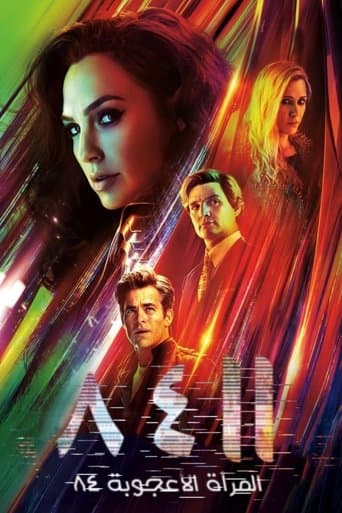
المرأة الأعجوبة ١٩٨٤
2020·6.4
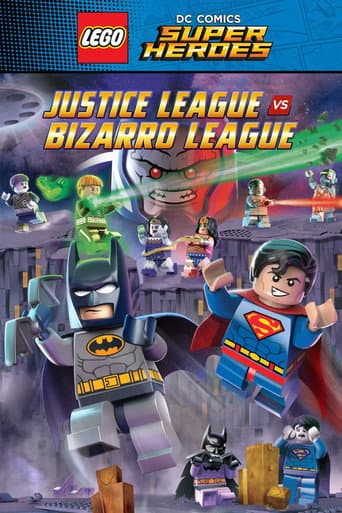
LEGO DC Comics Super Heroes: Justice League vs. Bizarro League
2015·6.3

مدرسة الأخيار والأشرار
2022·7.0
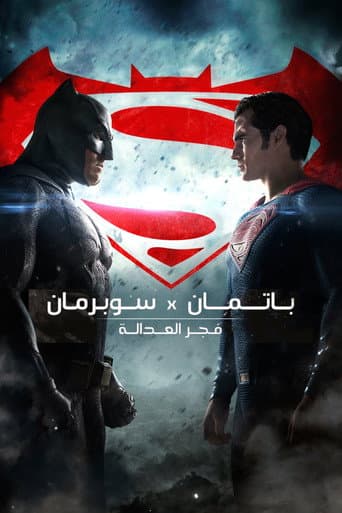
باتمان ضد سوبرمان: فجر العدالة
2016·6.0
Communauté
6.0
Note Trakt
88 votes
10
11
9
2
8
6
7
9
6
27
5
16
4
6
3
4
2
1
7
420Spectateurs
3.0KCollectés
367Listes
Avis de la communauté (1)
M
m0j01812VIPCritiqueDec 22, 2025
“**Antboy: Revenge of the Red Fury**” (2014) is the kind of sequel that shows up wearing the same homemade cape as the first film, only now it’s tugging at the stitching and insisting it can look tougher if it squints hard enough. It wants to be bigger, darker, and more “serious” without losing the scrappy kid-friendly charm that made the original tolerable—sometimes even genuinely likable. The result is a familiar sequel cocktail: **more plot, more attitude, more stakes**, and just enough tonal wobble to remind everyone that upgrading the mood is easier than upgrading the story. The basic appeal remains intact. This is still a Danish superhero tale grounded in awkward adolescence, suburban streets, and the very unglamorous reality of being a “hero” when you’re also trying not to die socially before lunch. Pelle—still more anxious than awesome—continues to function as a protagonist precisely because he doesn’t feel engineered for coolness. The film’s best instinct is keeping him human: insecure, reactive, occasionally selfish, and not always emotionally competent. That honesty is the franchise’s backbone, and it keeps the sequel from drifting into pure comic-book cosplay. Where “Revenge of the Red Fury” shifts gears is tone. The title isn’t kidding—this installment leans harder into anger, consequences, and the uncomfortable side effects of power. It’s not full-on grim, but it aims for a slightly more mature register than the first film’s breezy “kid gets powers and fumbles around” energy. That ambition is a double-edged blade. When it works, it gives the story weight and makes the hero’s choices feel less like a series of comedic accidents and more like actual decisions. When it doesn’t, it can feel like the film is wearing a serious face while still standing in the same modest shoes. The villainous presence is more assertive this time, pushing the narrative toward a clearer conflict. That’s helpful for momentum, but the writing doesn’t always deepen the antagonism beyond functionality. The threats are sharper, yet the characterization can still feel a bit like genre furniture: necessary to prop up the set pieces, not necessarily memorable on their own. The film wants danger without turning into nightmare fuel, and that balancing act can leave the menace slightly softened at the edges. The supporting cast continues to provide much of the film’s personality. The sidekick energy—part hype man, part tactical improviser—adds speed whenever the movie risks sinking into earnestness. The teen dynamics, meanwhile, remain the most reliably painful and funny material: jealousy, insecurity, loyalty, embarrassment, and the endless misunderstanding Olympics of adolescence. The sequel tries to build more emotional complexity into these relationships, and while it doesn’t always nail the subtlety, it generally understands that a teen superhero story lives or dies on whether the social stakes feel real. Action and effects are still working within a modest scale. That’s not a crime; it’s part of the series’ identity. The fights are staged clearly enough, the powers are presented with functional competence, and the film doesn’t pretend it can out-spectacle Hollywood. But as the sequel leans darker and more intense, the limitations become more noticeable. Bigger emotional stakes invite bigger cinematic moments, and when the movie can’t always deliver those moments visually, it leans harder on pacing and music to compensate. Sometimes that works. Sometimes it feels like watching a small car revving like it’s a sports model—endearing, but also a little strained. Comedically, “Revenge of the Red Fury” is less consistently breezy than its predecessor. The humor is still present—dry, awkward, occasionally sharp—but it shares space with more serious beats. The blend is mostly fine, but there are moments where the film seems unsure whether it wants laughter to relieve tension or to undercut it. The best jokes come from character and embarrassment rather than pure slapstick, and when the sequel sticks to that, it plays to its strengths. When it reaches for broader genre parody, it can feel a touch forced. The spoiler-free bottom line: “Antboy: Revenge of the Red Fury” is a sequel that **tries to grow up without losing its scrappy identity**, and it succeeds often enough to remain watchable—sometimes even charming—despite the usual sequel bloat. It’s not a radical reinvention, and it doesn’t suddenly become a sleek superhero benchmark. It’s still a small-scale story wearing a cape, now carrying a heavier backpack. The added weight gives it occasional punch, occasional wobble, and a clear sense of ambition: less “kids’ adventure with powers,” more “awkward teen hero learning that consequences don’t care how cute the costume is.”
المراجعات