جاري التحميل...
5.9·2008·109 min·Français·إخراج Pascal Thomas
كوميدياجريمةغموض
الممثلون الرئيسيون

Catherine Frot
Prudence Beresford
André Dussollier
Colonel Bélisaire Beresford

Claude Rich
Roderick Charpentier

كيارا ماستروياني
Emma Charpentier

Melvil Poupaud
Frédéric Charpentier
Alexandre Lafaurie
Raphaël Charpentier

Christian Vadim
Augustin

Hippolyte Girardot
le docteur François Lagarde

Yves Afonso
l'inspecteur Blache

Alexie Ribes
Alexie Charpentier, fille de Frédéric Charpentier
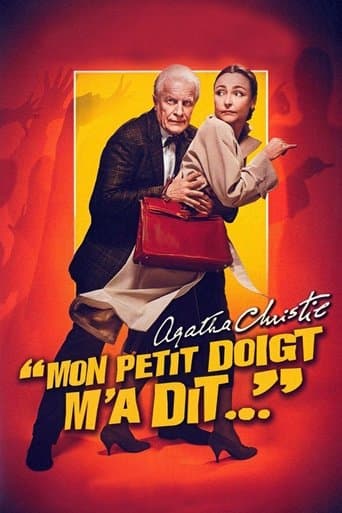
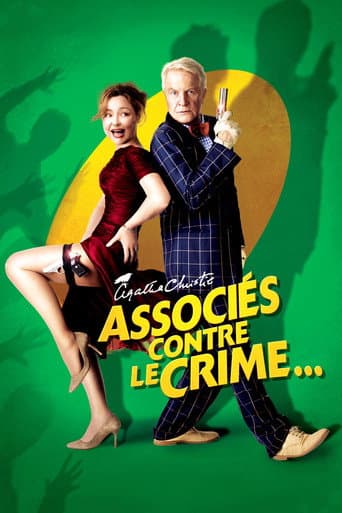
Prudence et Bélisaire Beresford Collection
المزيد مثل هذا
Thirteen at Dinner
1985·5.8
Miss Marple: 4.50 from Paddington
1987·7.5

Crooked House
2017·6.4
Dead Man's Folly
1986·6.4
Psycho Therapy: The Shallow Tale of a Writer Who Decided to Write About a Serial Killer
2025·6.9
L.A. Confidential
1997·7.8

The Crimson Rivers
2000·6.9

Cleaner
2007·6.1

Presumed Innocent
1990·6.8

Deadly Circuit
1983·6.1
See No Evil, Hear No Evil
1989·6.8

Guns Up
2025·6.5
Communauté
6.5
Note Trakt
50 votes
10
2
9
2
8
13
7
8
6
13
5
6
4
4
3
1
2
1
1
197Spectateurs
760Collectés
125Listes
Avis de la communauté (1)
S
senbaldorVIPCritique★6/10Jun 7, 2026
# Context and Legacy - Literary Basis - Adaptation of Agatha Christie's Tommy and Tuppence series - Transposition of setting from Victorian England to 1930s France - Cultural Impact - Part of a broader revival of French retro-comedy - Exploration of the 'French Noir-Comedy' sub-genre # Themes and Metaphors - Core Themes - Subversion of social manners - The excitement of domestic escapism - Wealth and corruption within elite families # Cinematography and Aesthetics - Visual Style - Technicolor-inspired palette - Art Deco architectural influence - Emphasis on period-specific costumes and set design # Narrative Structure - Plot Elements - Classic whodunit structure - Inciting incident: The witness on the train - Twist-heavy resolution typical of Agatha Christie adaptations - Style - Lighthearted mystery comedy - Non-linear perspective on the 'amateur detective' trope # Character Analysis - Prudence Beresford-Lupin - Driven by boredom and curiosity - The impulsive, intuitive heart of the duo - Bélisaire Beresford-Lupin - Methodical, cautious, and intellectual - Acts as the grounded foil to Prudence's chaos # Summary Insights - The film effectively translates the British sensibilities of Agatha Christie into the distinctively Gallic, sophisticated wit of the Pascal Thomas aesthetic. - The dynamic between the leads highlights the necessity of both intuition and logic in problem-solving, serving as an allegory for their marriage. - By utilizing a vibrant, high-fashion aesthetic, the film satirizes the grim, dark tropes of modern crime fiction, opting for elegance over grit. - The shift from London to France allows for a critique of French bourgeois values, using the 'murder mystery' as a vehicle to expose hypocritical family dynamics.
المراجعات