جاري التحميل...
7.4·2025·17 min·Français·إخراج Chris Lavis
رسوم متحركةدرامافانتازيا
الممثلون الرئيسيون

المزيد مثل هذا
Genius Loci
2020·6.4
تسعة أيام
2021·6.8
Memorable
2019·8.2
Primal: Tales of Savagery
2019·8.4
Matriculated
2003·6.6
The Brave Little Toaster
1987·6.9
Cryptozoo
2021·5.8
The Congress
2013·6.4
Welcome to Smelliville
2021·6.7
Waking Life
2001·7.5

Justice League Dark: Apokolips War
2020·8.2

Suicide Squad: Hell to Pay
2018·7.1
Communauté
7.6
Note Trakt
310 votes
10
44
9
15
8
112
7
70
6
54
5
8
4
5
3
2
2
1
633Spectateurs
2.9KCollectés
364Listes
Avis de la communauté (6)
T
Tomizuka0829VIP★7/10Feb 28, 2026
Fun, dark, funny story. Interesting look. 2025 (98th) Academy Award nominations: Best Animated Short Film
M
myke2145★7/10Feb 12, 2026
S
sourpatchdadVIPJan 27, 2026
I thought The Retirement Plan would be my favorite animated short and then I got to this one. Wow wow wow wow.
H
heyflpCritique★10/10Jan 26, 2026
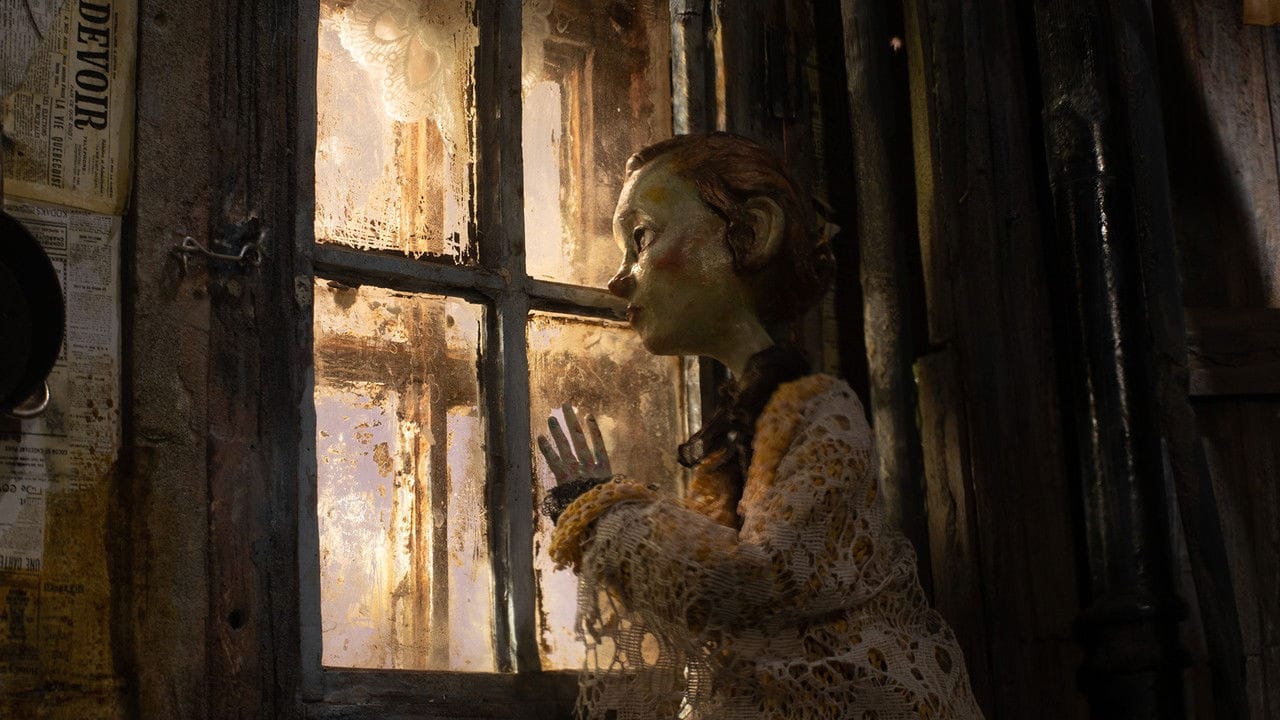
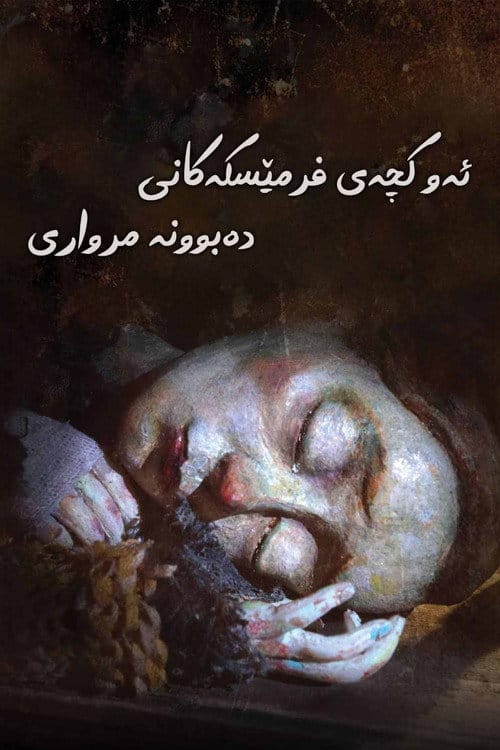
Some stories form like shells at the bottom of the sea, slowly building layers of pain until something precious emerges almost by accident. Others shine so brightly on the outside that only over time do they reveal the weight they carry within. It’s in this tension between beauty and suffering that “The Girl Who Cried Pearls” unfolds its dark and delicate fable, using enchantment as bait for a moral discomfort that deepens with every scene. Directed by Chris Lavis and Maciek Szczerbowski, the short film leans on the classic structure of a grandfather telling a story to his granddaughter, but it quickly makes clear that this is anything but a comforting tale. The man’s account of his miserable youth in Montreal, marked by hunger, abandonment, and survival on the city’s margins, sets a harsh emotional foundation, where fantasy doesn’t function as escape, but as a poetic distortion of reality. The idea of tears turning into pearls is introduced with cruel naturalness, as if suffering could be monetized without consequence, and that’s precisely where the film begins to unsettle the viewer. The strength of “The Girl Who Cried Pearls” lies in how it turns this fantastical concept into an ethical dilemma. The protagonist realizes he can profit from the sadness of a girl abused by her stepmother, but to do so, he must ensure she remains unhappy, a conflict that grows even heavier once genuine affection begins to develop between them. The script never spells this out in a didactic way; instead, it lets the horror emerge from the simple logic of the situation. Loving someone while simultaneously depending on their pain to survive becomes the film’s tragic core, elevating the story far beyond a straightforward moral tale. Visually, the stop-motion work is remarkably sophisticated. The puppets carry a deliberate sense of strangeness, with faces that resemble imitation pearls (beautiful, yet artificial) and skin tones that communicate character and emotional states even before any movement. The hands, meticulously animated, are especially striking, whether in moments of gentle touch, the exchange of money, or the offering of a gift, functioning as physical extensions of guilt, desire, and compassion. The sets, built from found objects and mixed materials, create a tactile, richly detailed world that invites repeated viewing. The lighting and Patrick Watson’s score complete this atmosphere of melancholy. The music doesn’t steer emotion in obvious ways; instead, it seeps into the images, shifting between softness and unease as the narrative layers reveal themselves. There’s a constant sense that a larger story lies beneath the surface, one about exploitation, poverty, memory, and the way we turn other people’s pain into symbolic or material value. In the end, “The Girl Who Cried Pearls” stands out precisely because of its moral ambiguity and its ability to linger long after the final frame. It’s a short that understands the power of storytelling not as comfort, but as revelation, exposing uncomfortable truths beneath a seductive surface. Among so many animated films eager to charm quickly, this one asserts itself as something rarer: a jewel that does shine, but cuts deep if you hold onto it for too long.
A
AlfieSGDVIP★8/10Dec 21, 2025
I have a soft spot for stop-motion, so the animated short film "The Girl Who Cried Pearls" is right up my alley. The style is amazing and, above all, extremely rich in detail. On top of that, the film tells an interesting story with a few surprising twists. If you have the opportunity, you should definitely invest the 17 minutes it takes to watch it, because this film is certainly worth seeing and deserves to be labeled a "work of art."
المراجعات