جاري التحميل...
6.8·2025·128 min·English·إخراج Alex Ross Perry
كوميدياموسيقىوثائقي
الممثلون الرئيسيون










المزيد مثل هذا
Western Stars
2019·7.0
Supersonic
2016·7.4
Iron Maiden: Burning Ambition
2026·8.7
Piece by Piece
2024·7.2
Stop Making Sense
1984·8.3
Justin Bieber's Believe
2013·6.9
!فرقة وام
2023·7.3

Avicii: True Stories
2017·8.0

One Direction: This Is Us
2013·8.2
Happier Than Ever: A Love Letter to Los Angeles
2021·7.8
Glee: The Concert Movie
2011·7.3
Michael Jackson: The Life of an Icon
2011·8.1
Communauté
7.3
Note Trakt
86 votes
10
8
9
10
8
18
7
27
6
16
5
4
4
3
1
2
1
2
304Spectateurs
11.6KCollectés
626Listes
Avis de la communauté (3)
D
decatur555VIPCritique★10/10May 16, 2025
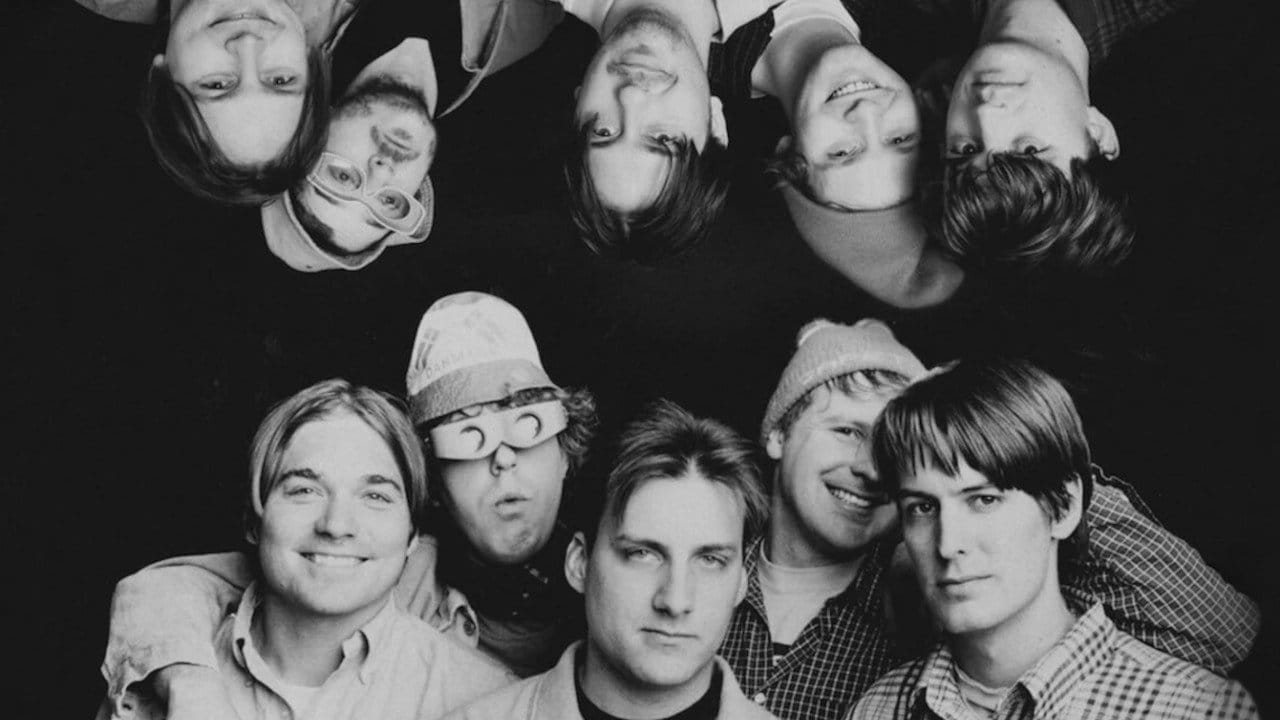
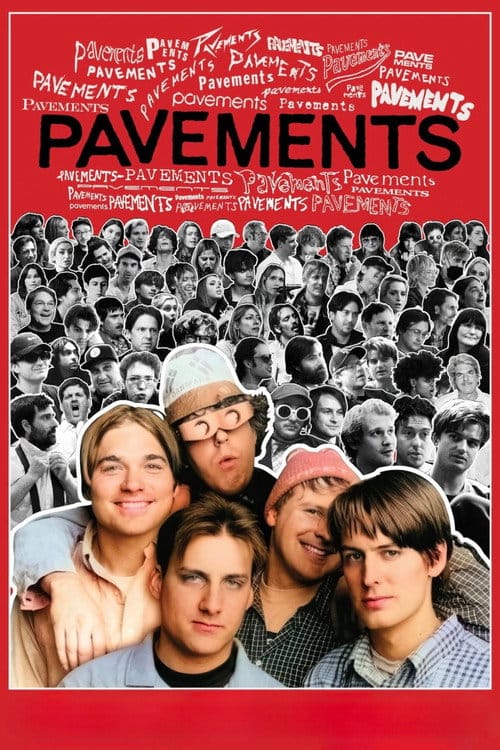
There are movies you enjoy and then there are movies that completely overwhelm you. Pavements did just that to me. I’ve been crying from the first second to the last, carried away by emotion, memory, and music. This is not just a documentary; it’s a strange and beautiful hallucination about my all-time favorite band, Pavement, and about Stephen Joseph Malkmus, who’s long been something between a musical idol and an emotional reference point for me. The film is not made to convince new fans. It doesn’t explain much, nor does it follow a clear linear narrative. It’s messy, meta, ironic, sometimes even absurd—but deeply heartfelt. Some will adore it, others will detest it or simply not understand a thing. But for those of us who have carried Pavement in our veins since the ‘90s, it feels like a gift. A rare, chaotic, and unpredictable gift, just like the band itself. I found it bold, innovative, and refreshingly different from typical rock docs. There’s a museum (both real and surreal), there's a jukebox musical, and there’s even a fake biopic that hilariously hits every cliché of the genre while still conveying the real drama behind the band’s history. And in between, the music—always the music—guiding every emotional beat, every twist of nostalgia. When Circa 1762 started playing, I broke down. It’s one of my favorite, most overlooked songs from their catalog, and hearing it in this context felt like a private message. If I miss something, it’s that Carrot Rope doesn’t close the film. That song, that farewell disguised as a joke, would have been the perfect ending. But maybe that’s also part of the spirit of Pavement: never giving the expected, always choosing the offbeat road. Would I love for them to reunite for real, to tour again, to make a movie, to turn the museum into something permanent? Of course. But for now, this film is enough to make me cry like the first time I heard Gold Soundz. A kaleidoscopic, loving tribute to a band that changed my life—and continues to do so.
♥3
M
miguelreina★8/10Jul 14, 2025
[Mubi] A biopic that confuses and interests in with the ability to invent and reinvent the story of a cult band from the 90s. It works in the ironic look at traditional biopics, jukebox musicals, actors who play great singers and the diverse ways in which an indie band can sell itself to the market, grumbling while being part of what it claims to hate. Without the line between fiction and reality being clear, the feeling that remains is that this simultaneously rebellious and flattering film seems to reflect the contradictions and the personality of a band allergic to success.
♥2
L
Last Impressions★9/10Feb 3, 2026
Back in ’90s there were bands you discovered and bands you *lived with*. Pavement never asked for devotion, but somehow they collected it anyway Catching them in ’91, supporting Sonic Youth on the *Dirty* tour, felt like stumbling into a secret. Two drummers in glorious disarray, Malkmus tossing off lines like he’d rather be everywhere else, and yet the whole room leaning forward as if decoding scripture. They weren’t polished; they weren’t trying to be. That was the point. By the time Brixton ’99 rolled around, the end was already baked into the atmosphere. Those final shows had the energy of a band both exhausted and mythic—songs collapsing into feedback s, a crowd singing along like they knew they were witnessing the last page of a magazine that would never be reprinted. And then the reunions, years later—less resurrection, more time capsule. The same crooked melodies, the same shrug‑and‑smile delivery, the same reminder that some bands don’t soundtrack a moment; they soundtrack whole eras of your life. Cult band? Maybe. Just a band? Sure. But for those who were there, they were a compass—pointing somewhere between irony and sincerity, noise and beauty, youth and whatever came after.
المراجعات