Chargement...
7.2·2024·120 min·English·Réalisé par Edward Berger
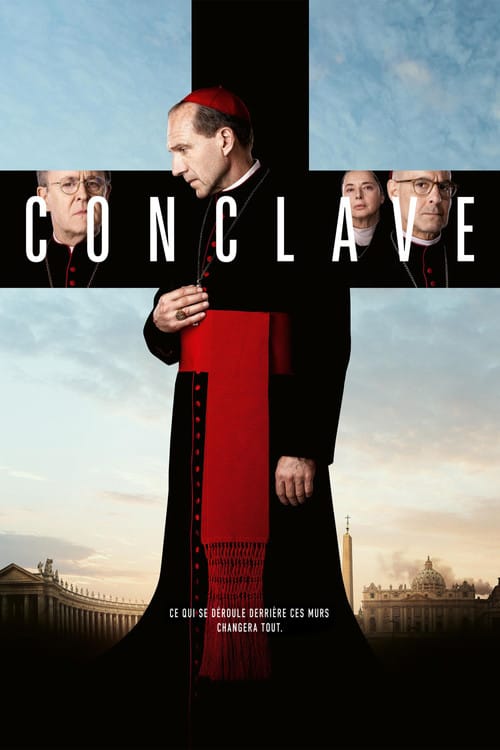
Ce qui se déroule derrière ces murs changera tout.
DrameThriller
Synopsis
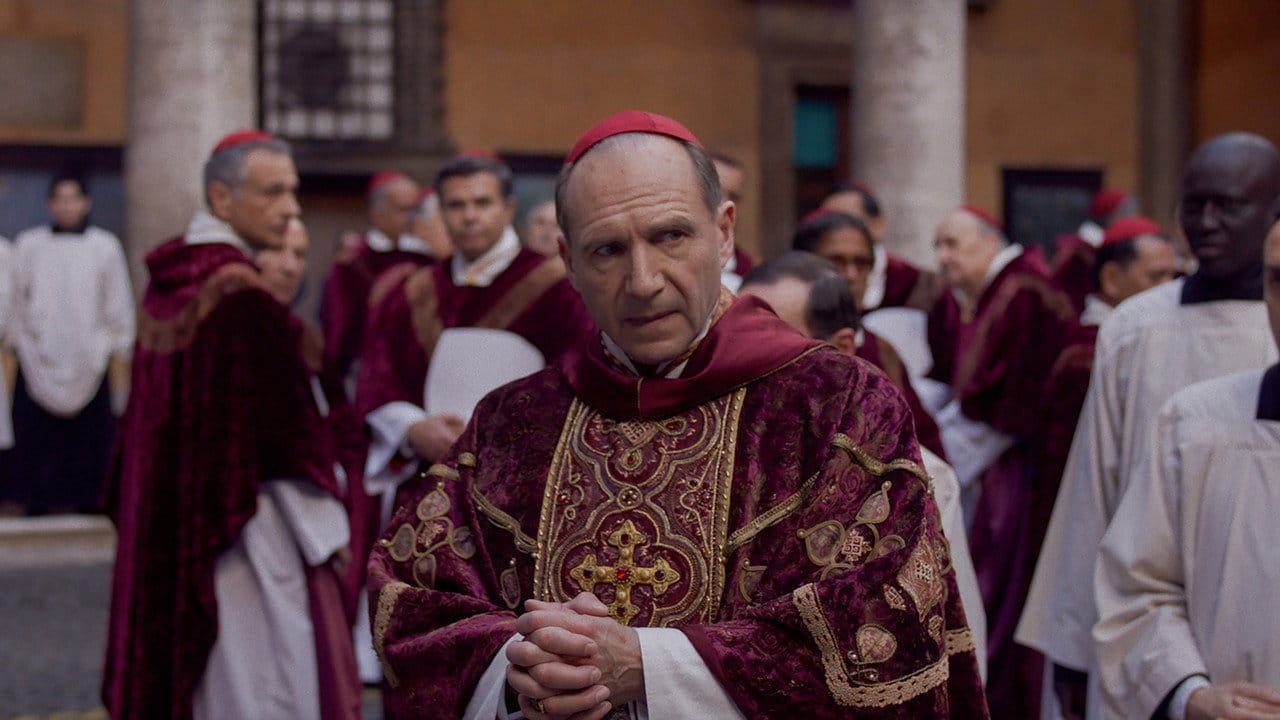
Le Cardinal Lawrence est chargé de gérer ce processus confidentiel après la mort inattendue du Pape bien-aimé. Lorsque tous les dirigeants les plus puissants de l’Église catholique sont réunis et enfermés dans le Vatican, Lawrence se retrouve au centre d’une conspiration et découvre un secret qui pourrait changer à jamais l’institution religieuse.
Acteurs principaux
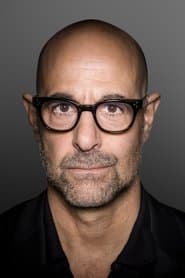
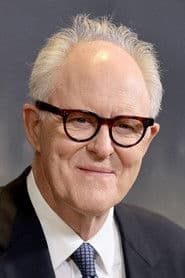
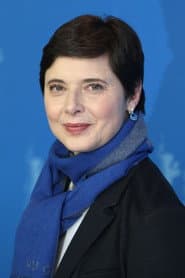
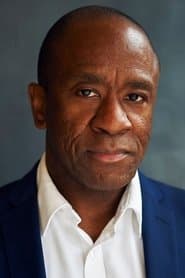
Plus comme ça
Communauté
7.6
Note Trakt
21.1K votes
10
3.2K
9
1.8K
8
7.1K
7
5.0K
6
2.7K
5
685
4
357
3
91
2
109
1
115
89.0KSpectateurs
41.1KCollectés
20.3KListes
Avis de la communauté (12)
K
kiramanVIP★8/10Dec 11, 2024
Although we sisters are supposed to be invisible, God has nevertheless given us eyes and ears.
♥111
B
BobDole12Nov 5, 2024
Who woulda thought that in 2024 the year of our Lord that we'd get not one but _two_ remakes of Mean Girls The Pope even had a burn book!!
♥68
S
SenienVIP★9/10Nov 10, 2024
For anyone who’s ever asked themself the question; “what would it be like if Agatha Christie decided to write about the succession of world leaders instead of murder plots among the bourgeois class?”…here’s your answer.
♥45
R
RG9400VIPCritique★6/10Oct 25, 2024
Conclave is trying to be two things at once: a thriller with politicking, schemes, conspiracies, and examinations of ambition, as well as a movie that is offering up sociopolitical commentary through the lens of religion. Because it doesn't fully commit to one or the other, I think it ends up feeling underbaked in both areas. To start, the trailers make this movie out to be a taut political thriller with plenty of tension. In practice, that is not the case at all. It's a methodical movie that feels slow, especially in its first hour. The schemes, alliances, and downfalls all feel very rudimentary to be honest. The scandals are pretty much the first things you would think of, the way they are discovered is basic, and alliance forging is nonexistent. Papal Game of Thrones this is not. And maybe that's an unfair criticism because a lot of that is driven by marketing, but I feel like my issue isn't exactly the pace (slow burn) but moreso how simplistic this aspect of the movie actually is. Also, the movie has this habit of Lawrence discovering some "shocking" secret, but it cuts away before the viewer can learn what it is, only to have him then confront/tell someone about said secret. This is the exact opposite of "show, don't tell" and is why I feel like the unravelling of the secrets is also not particularly compelling. Instead of focusing on building up the complexities of the Conclave, the movie does a surface level exploration of sociopolitical commentary. There are mentions of the Catholic Church's history, of trying to be progressive, of the role of nuns and women, of the diversity of people belonging to the Church, of the tolerance of other religions. That all sounds great, and I would have loved to see a movie that really put these under the microscope from the perspective of the people behind the Church. The problem is that it all feels very underbaked and cursory. The movie doesn't try to grapple with these questions, instead using the scandals discussed above as its main levers of power. At one point, a character gets up and gives a cheesy, cliche-ridden speech that is maybe a minute long, and the movie wants us to believe that answers everything. Sociopolitical commentary is used as a prop, the type of thing that helps define who the "good" and "bad" guys are, but nothing more. At one point, it is literally only used as a plot mechanism even though the real world events and context would have significant ramifications. This is most easily reflected in the ending of the movie, which offers up some sort of attempt at a larger message but absolutely bungles it because no one in the actual movie has, at any other point in the movie, actually thought about the questions it raises. It's simply something that is circumstance, and it happens, and the movie ends. Where the movie does succeed are the technicals as well as the character work of Lawrence and Bellini. The movie has the type of thunderous score that constantly asserts its presence that Edward Berger became famous for in his All Quiet on the Western Front adaptation. The setting is stately and lush, creating an operatic atmosphere. The acting of Ralph Fiennes in particular is excellent. I also did really like how the movie focused on his religious doubts, discussed the humanity of people trying to be perfect and idealistic and the realistic compromises that come with it, and the questioning if these characters were motivated by trying to do the right thing or just ambition. This is easily where the movie is the strongest, and I feel like had it sharpened one of the other two elements I mentioned earlier, it would have paired really well with this character focus. Unfortunately, it does not, and I ended up leaving feeling disappointed.
♥34
S
Snowy_CapHaddockDec 2, 2024
Sincere thanks to Ralph Fiennes for not butchering Italian when speaking, as others tend to do even if they have 5 lines in it and the character is supposed to be native or advanced cough cough Pesci and DeNiro, Lady Gaga and on and on and on... cough. Fiennes had like 1/3 of his (many) lines and put the fucking effort
♥16
Avis