Chargement...
7.7·1922·95 min·Deutsch·Réalisé par F. W. Murnau
HorreurFantastique
Synopsis
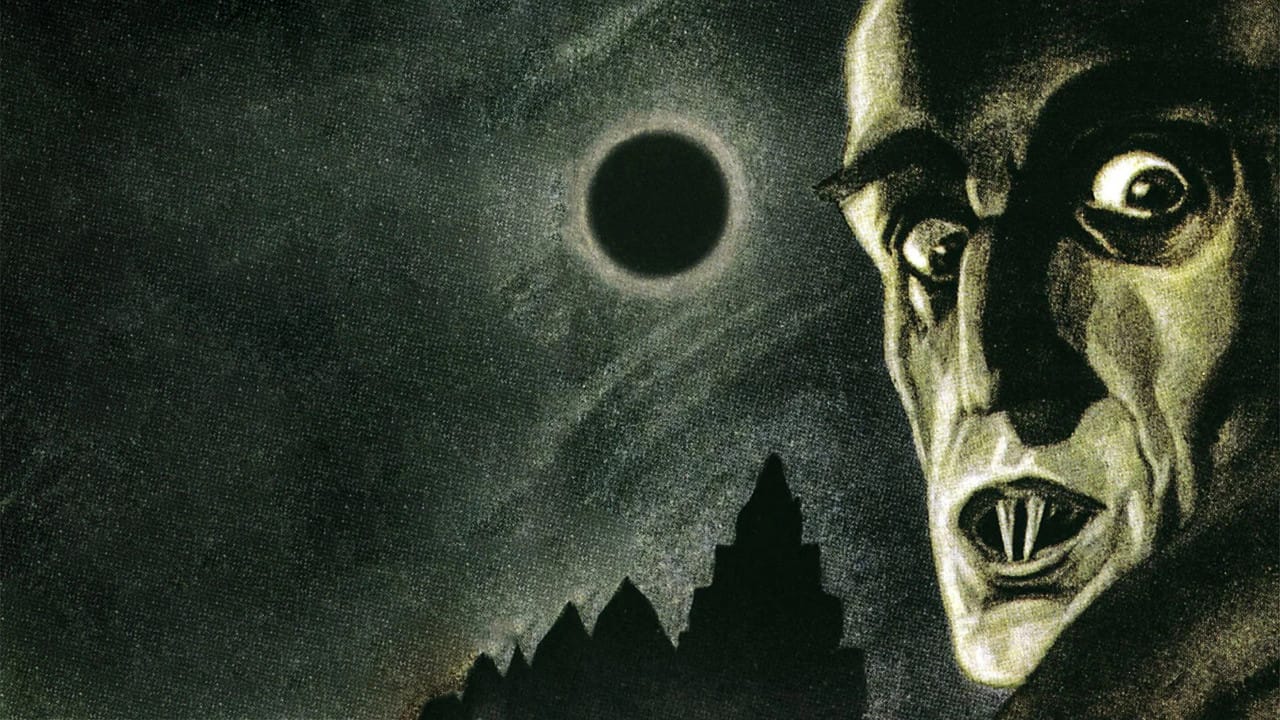
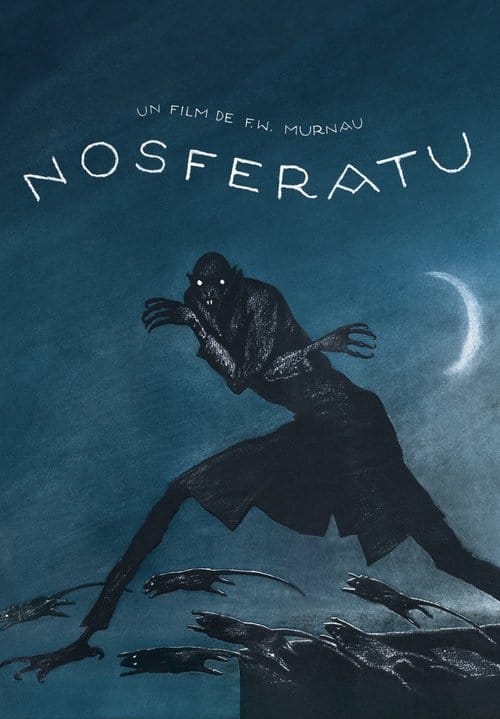
En 1838, Hutter, jeune clerc de notaire, part conclure une vente avec un châtelain des Carpathes. Après des rencontres menaçantes et de funestes présages, il est reçu par le comte Orlock qui n'est autre que la réincarnation du vampire Nosferatu, créature qui ne peut vivre qu'en suçant le sang des humains. Ce chef-d'œuvre du cinéma muet d'épouvante tourné en décors naturels est la première adaptation fidèle du célèbre roman de Bram Stocker, Dracula, publié en 1897.
Acteurs principaux
Plus comme ça
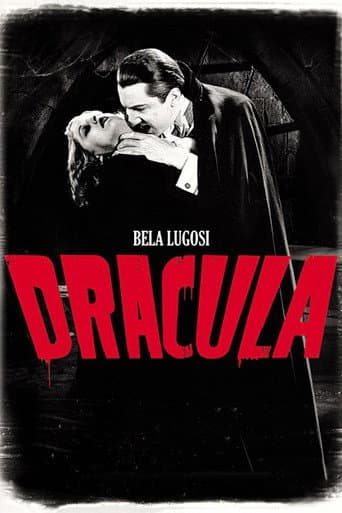
Dracula
1931·7.2
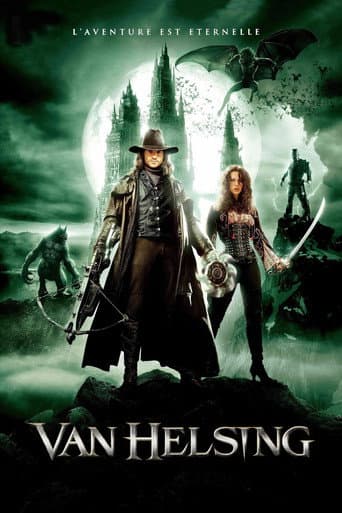
Van Helsing
2004·6.4
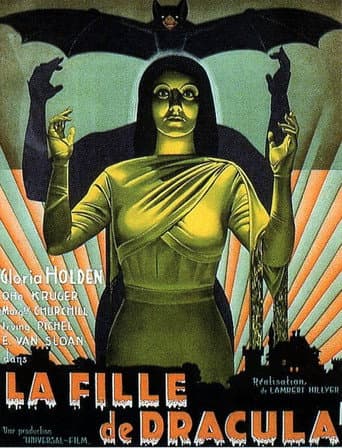
La Fille de Dracula
1936·6.0
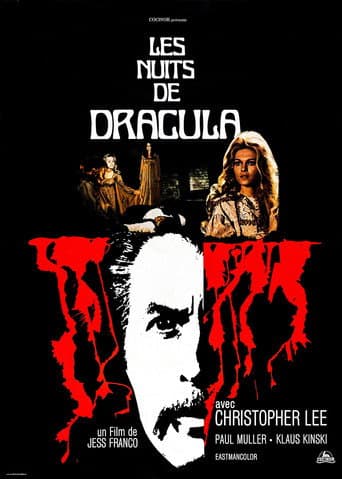
Les nuits de Dracula
1970·5.9
The Cellar
2022·6.5
Le Cauchemar de Dracula
1958·7.3
Le Chat noir
1934·6.7
La Nuit de tous les mystères
1959·6.8
Le Seigneur des anneaux : La Communauté de l'anneau
2001·8.4
Pyewacket
2017·5.9
Course contre l'enfer
1975·6.4
Les Maitresses de Dracula
1960·6.7
Communauté
7.4
Note Trakt
3.2K votes
10
379
9
312
8
950
7
733
6
468
5
137
4
96
3
25
2
25
1
35
9.8KSpectateurs
88.8KCollectés
8.6KListes
Avis de la communauté (12)
A
AlexanderZ★8/10Jan 9, 2017
"Nosferatu" is a milestone from every possible viewpoint and it's one of those very few movies I think everybody should view at least once.
♥11
S
sawyer189★7/10May 22, 2021
any big movie buff or horror movie enthusiast needs to watch this at least once this silent movie holds up pretty well the makeup and design of the vampire still looks good and creepy the lack of dialogue actually makes the movie feel more dark and eerie and unsettling
♥5
L
LarZieJVIP★10/10Oct 16, 2018
Still as good as when I watched it for the first time. Max Schreck is amazing and scary looking, well more creepy looking and it works. The silence really helps creating such an creepy atmosphere. The shadows, Nosferatu rising up from his grave, the rats, the music, everything works. This is one of my favorite silent films, time flies watching this Murnau masterpiece. And I truly believe it is an essential watch for any film fan. A film based on Bram Stoker's novel before we got the standard set by Bela. I just simply can not do this film more justice. You just have to see it. In the dark, with surround sound!
♥4
M
Maarten Delfgou★8/10Feb 17, 2022
The original title of the film is Nosferatu, eine Symphonie des Grauens.
♥2
M
manicureVIP★5/10May 1, 2021
Murnau's unauthorized adaptation of Bram Stoker's "Dracula" might deserve its status as one of the most seminal contributions to horror cinema, but almost one hundred years later it's nothing more than a slow silent film with a trivial plot, remembered by most for Max Schreck's iconic performance as Count Orlok and a bunch of visually appealing scenes. Just think of the scenes on the schooner, when he stares at you from his window, or when his shadow is seen creeping up the stairs and taking Ellen's heart. Though my favorite shot is definitely when we can barely see his head in the corner of the screen as he quietly drinks her blood. There is a fascinating, eerie atmosphere during Orlok's "night" sequences, juxtaposed to the more conventional and dull "day" sequences. Murnau used tinted film to distinguish the two domains and added a few proto-special effects like negative shots, fast-forward, and superimposition to suggest Orlok's monstrous nature. Must-watch if you are into cinema history or want to know where a lot of vampire horror cliche came from, otherwise you are not missing anything.
♥2
Avis