Chargement...
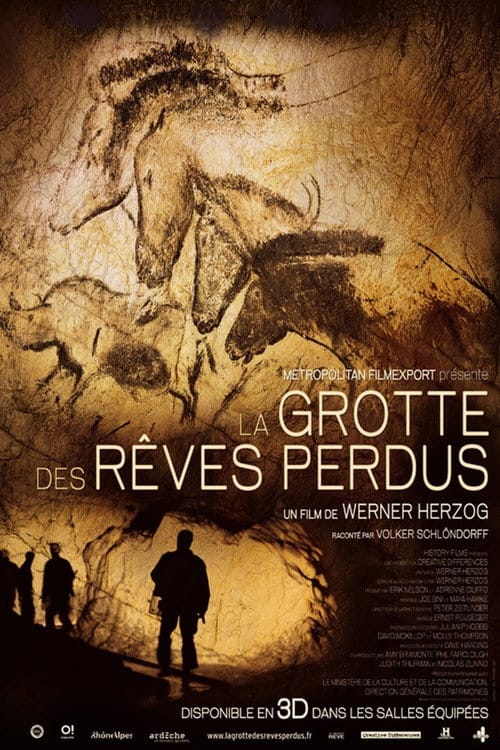
7.1·2010·90 min·English·Réalisé par Werner Herzog
Le trésor de nos origines enfin révélé en 3D
Documentaire
Synopsis
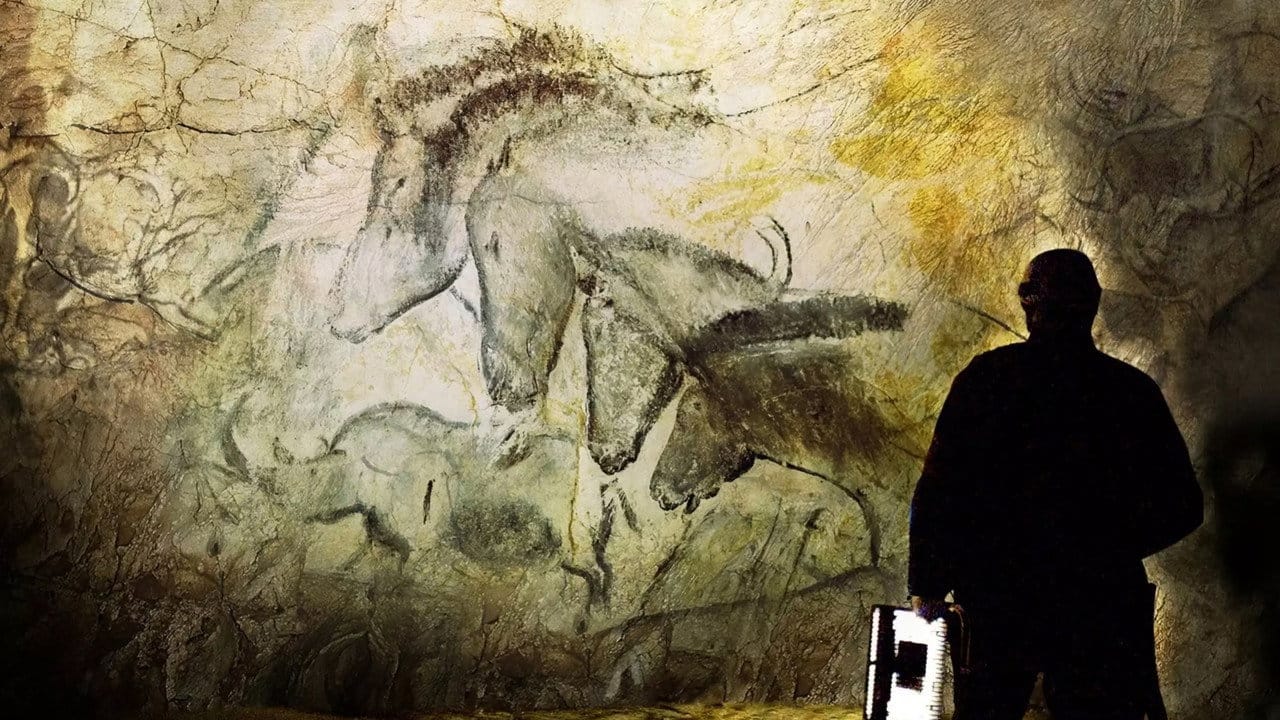
C'est une grotte immense, protégée du monde depuis 20 000 ans parce que le plafond de son entrée s'est effondré. C'est un sanctuaire incrusté de cristaux et rempli de restes pétrifiés de mammifères géants de la période glaciaire. Pourtant, ce n'est pas le seul trésor que ce lieu unique au monde avait à nous offrir… En 1994, au sud de la France, les scientifiques qui ont découvert la grotte sont tombés, ébahis, face à des centaines de peintures rupestres, des œuvres d'art spectaculaires réalisées il y a plus de 30 000 ans – presque deux fois plus vieilles que les peintures rupestres les plus anciennes découvertes jusqu'alors. Ces dessins, ces œuvres, ces témoignages exceptionnels ont été créés à l'époque où les hommes de Neandertal parcouraient encore la terre, en un temps où les ours des cavernes, les mammouths et les lions étaient les espèces dominantes sur notre continent.
Acteurs principaux



Plus comme ça

Stan Lee
2023·7.1

Iron Maiden: Burning Ambition
2026·8.6

The Class of ‘92
2013·7.1

180° South
2010·7.2

John Candy: I Like Me
2025·7.9
Climat en péril : La preuve par l'image
2017·7.7
Rencontres au bout du monde
2007·7.5

Fantastic Fungi
2019·7.2

Star Trek : The Captains
2011·6.4

That's Entertainment! III
1994·7.0

Whitney
2018·7.3

Il était une fois à Hollywood
1974·7.4
Communauté
7.2
Note Trakt
565 votes
10
52
9
56
8
124
7
175
6
106
5
26
4
14
3
7
2
3
1
2
1.7KSpectateurs
40.6KCollectés
2.1KListes
Avis de la communauté (3)
M
MajorMercyFlushVIPOct 23, 2011
The cave art inside Chauvet caves is truly awe-inspiring and watching it in 3D added real gravity to what we are being shown. However, Herzog is slipping as the documentary itself is mostly tedious. In reaching to build a connection to the world outside the cave he meanders through repetition, at times puts his words in the mouths of those being interviewed. Mostly it sits as filler between moments of wonder, and his final thoughts are fairly muddled. It art is wholly remarkable, the doco wholly forgetable.
♥4
D
drqshadow★5/10Feb 5, 2020
Werner Herzog is given intimate access to the earliest instance of cave painting known to modern man, the Chauvet Cave in southern France. It's a mesmerizing topic, but after the third or fourth time the screen pans dramatically across the same six sketches, it's clear that elaboration just isn't in the cards. Rather than using these caves as a jumping-off point to discuss early man and his habit of cave painting in general, Herzog stands in place and explores the particulars of these specific illustrations. Which is his prerogative, granted, and fully excusable if he's able to find enough meat to justify the narrow perspective. Ultimately he doesn't, though, and his long, dull conversations with the local team of researchers only further belabor a struggling theme. Dry and emotionless as a textbook with just one or two moments of wonder, it's too much for a TV episode and too little for a feature-length documentary.
♥1
T
The_ArgentinianAug 4, 2020
I love WH but I did not find this compelling even if the subject is.
Avis