Chargement...
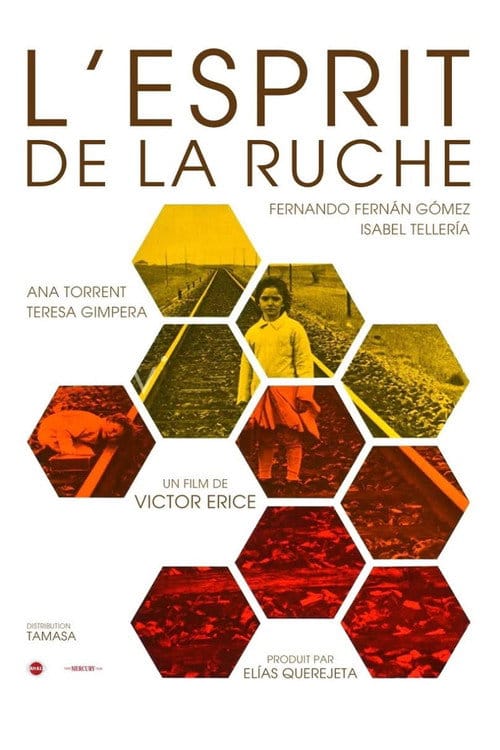
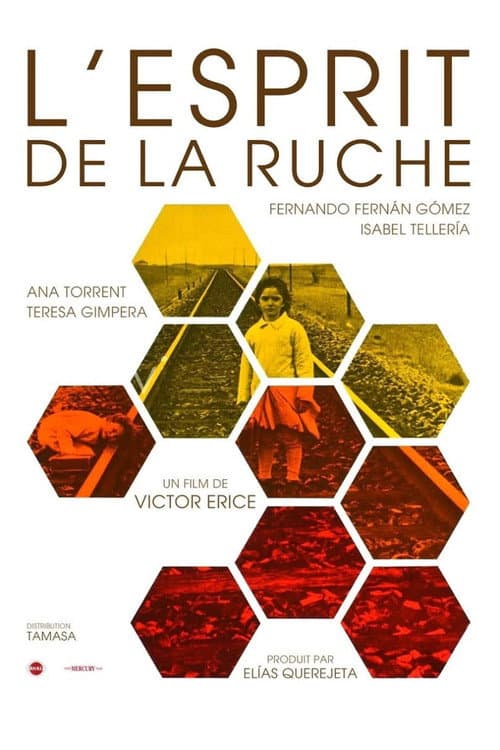
7.7·1973·97 min·Español·Réalisé par Víctor Erice
DrameFantastique
Synopsis
Espagne, 1940 ; peu après la fin de la guerre civile. Un cinéma itinérant projette Frankenstein dans un petit village perdu du plateau castillan. Les enfants sont fascinés par le monstre et, parmi eux, la petite Ana, 8 ans, se pose mille et une questions sur ce personnage terrifiant. Sa grande soeur, Isabel, a beau lui expliquer que ce n'est qu'un "truc" de cinéma, elle prétend pourtant avoir rencontré l'esprit de Frankenstein rôdant non loin du village.Les filles partagent leur solitude dans une grande maison obscure. Leurs parents sont rarement présents, pris chacun dans des rituels adultes incompréhensibles : le père, insomniaque, passe ses journées à étudier les abeilles, arrangeant la maison familiale comme si c'était une ruche ; la mère, quant à elle, s'est réfugiée dans une nostalgie stérile, rédigeant des lettres à un prétendu amant qui demeure invisible et silencieux. Pour fuir ce monde mort, Ana et Isabel s'inventent un univers parallèle.
Acteurs principaux



Plus comme ça
Les treize roses
2007·6.6
De l'influence des rayons gamma sur le comportement des marguerites
1972·7.3
Northfork
2003·6.0
Le Berger
2023·6.9
À contretemps
2022·6.6
Freedomfighters
1996·6.3
FX's A Christmas Carol
2019·7.2
Chili 1976
2022·7.0
Un soupçon de magie
2008·7.0
Ma famille bien-aimée
2013·7.6
Anna et les loups
1973·6.9
Mr. K
2025·6.4
Communauté
7.3
Note Trakt
469 votes
10
60
9
68
8
125
7
87
6
66
5
26
4
17
3
2
2
6
1
11
1.1KSpectateurs
67.6KCollectés
3.4KListes
Avis de la communauté (8)
M
Maarten Delfgou★7/10Nov 18, 2021
The original title of the film is El espíritu de la colmena.
♥3
S
smallcloneCritique★7/10Oct 8, 2019
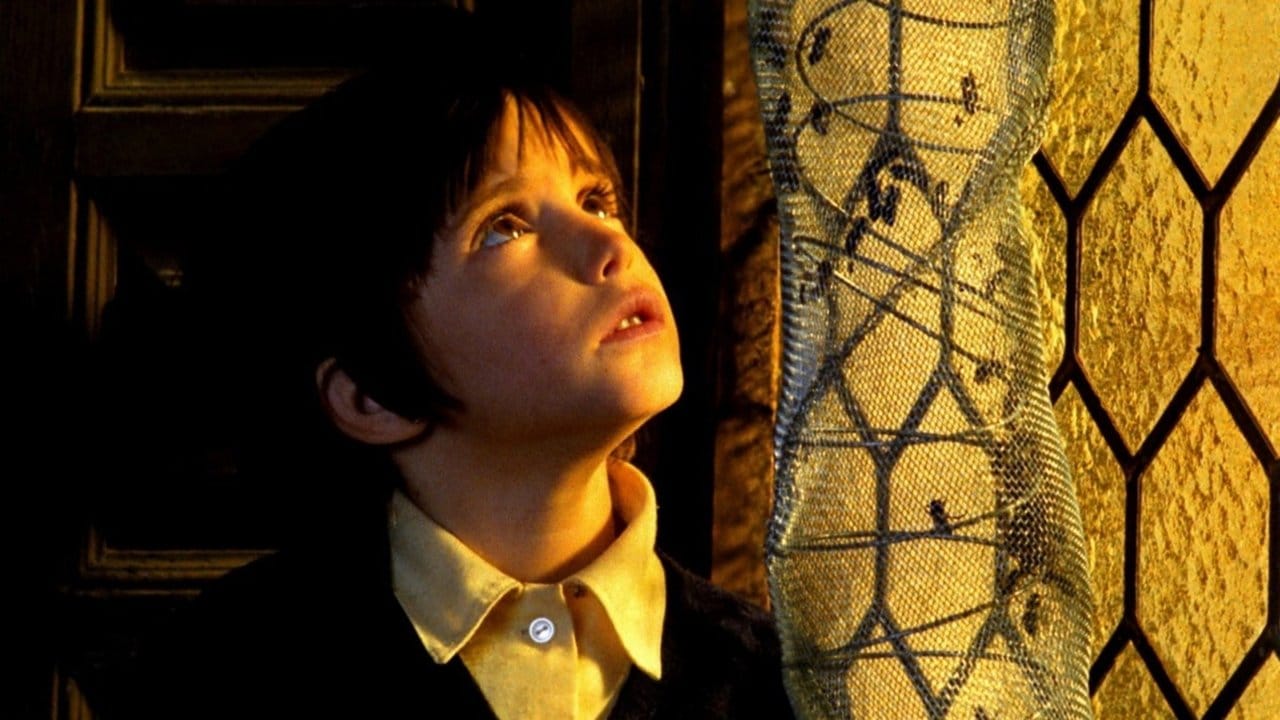
Absolutely beautiful film. It depicts the lives of 2 sisters in Spain during the end of the Spanish Civil War. They watch the movie Frankenstein, amble about in the rural countryside, make up fantasy stories and trick each other. In that sense it's a coming of age movie but also one about socio-political events of the time and the threats to family life. What is so stark about the film is that it uses the shots, cinematography, light, camerawork etc to do the story telling instead of dialogue. There is one scene where the mother is lying in bed, her husband wandering about in the same room, but the camera never moves away from her face, and not one word is spoken. The shot looks almost Bergmanesque and the absence of dialogue hints at a problematic relationship melded with mental suffering. In another shot we see the windows of the house bathed in yellow sunlight as the father tries to open them. The windows are honeycomb shaped - in a reference to the bees that the father keeps. Presumably Erice is saying that the family, just like any other family in Spain at this time are trapped like worker bees in a futile existence as the political regime of the time tightens it's grip on ordinary people. Guillermo del Toro cites this as a major influence on his work, and it is easy to see why. The period, the language, the fantasy, the innocence of the children (who are remarkable in this film - their expressions and mannerisms are so natural), the political climate, the slight horror element etc etc. It's almost like a cross between Pan's Labyrinth and The Devil's Backbone. Of the two sisters, the movie focuses on the younger - Ana and her relationship with the spirit monster that her sister has told her lives in an abandoned outbuilding in a nearby farm. This, along with large amount of symbolism (I won't even pretend to know what all the paintings represent) makes the viewer think that the loss of innocence is somehow tied to Spain finding it's feet as a nation. But I'm hardly qualified in history to confirm it. A really beautiful film.
♥2
S
soonertboneVIP★7/10Jul 8, 2025
Childhood wonder with a smidge of magical realism--the Spanish seem to have a facility with this sort of thing. The presentation is very spare--minimal dialogue; expansive, quiet sound design; and not much of a plot to speak of. But it all adds up to something pretty impressive and touching.
S
Spiritualized Kaos★8/10Aug 28, 2024
Film of images and symbols of innocence.
M
MANICAL★10/10Jan 15, 2024
I'm dumbfounded right now. Best film I've seen in months. Magical realism through instinctual wonder but the undercurrent of the golden colmena that is your life remains whenever you return home.
Avis