Chargement...
8.0·1960·167 min·Italiano·Réalisé par Federico Fellini
Le film dont on parle le plus aujourd'hui !
ComédieDrame
Synopsis
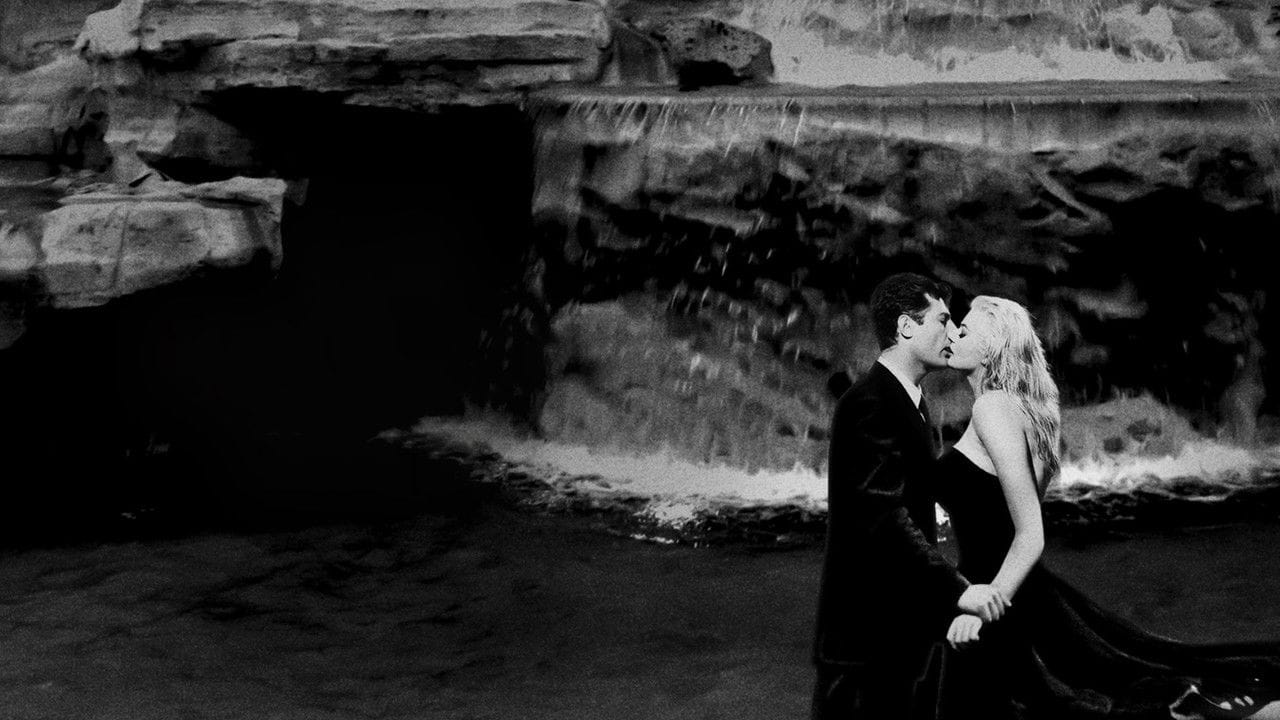
Le chroniqueur Marcello fait le tour des lieux à scandale de Rome pour alimenter les potins d'un journal à fort tirage. Il rencontre une faune corrompue et dérisoire qui feint de s'amuser et dissimule mal son ennui. Palme d'Or 1960
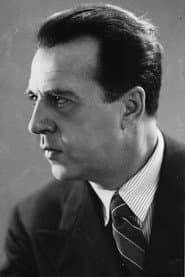
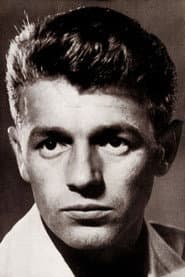
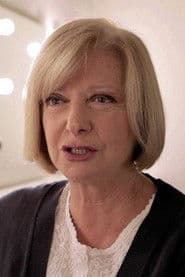
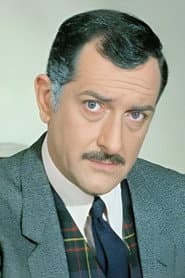
Acteurs principaux

Plus comme ça

Communauté
7.7
Note Trakt
1.5K votes
10
291
9
209
8
461
7
214
6
154
5
64
4
42
3
13
2
29
1
19
4.2KSpectateurs
88.5KCollectés
8.3KListes
Avis de la communauté (6)
S
Spiritualized Kaos★6/10Dec 27, 2022
The origin of the paparazzi.
♥1
M
manicureVIP★7/10May 4, 2021
“La dolce vita” obviously lost its controversial character, but it's still worth watching as the charming tapestry that captures the dark beauty of Rome’s “sweet life” and its weird characters. We witness the ambiguities and contradictions of people who, sometimes for very different reasons, are being turned into superstars by the media's attention. Despite the demanding running time, the film has no plot, no beginning nor ending. We are just shown the daily life of a journalist trying to quit being a mere chronicler of Rome’s good life and finally become one of its protagonists. As the opening with “Jesus” leaving Rome suggests, behind the excesses and distractions of the stardom and its surrounding intellectual circles, lies the bitter reality of a society that lost the values and pure heart that Fellini and a generation of neorealist director used to show us in his early works.
♥1
S
soonertboneVIP★8/10Sep 27, 2024
I think I loved this (?) even though I'm sure I didn't fully absorb everything upon first viewing. What stuck with me most was its lonesome, mournful tone--even as Marcello haunts the nights seeking salvation he is left wanting in a way that hurts my heart. I'm sure I'm missing some context-specific commentary on the press or the intelligentsia of post-war Italy, but on a purely humanistic level the movie spoke to something in me that I can't fully articulate. Definitely worth revisiting.
A
alexlimbergCritique★9/10Apr 9, 2024
There's not many movies that you watch and immediately realize that you never will be as elegant, as charming, as cool, as loved by the ladies, as bohemian as this man. Like this man in the first half of the movie I must add. Perhaps you'll not even reach average Italian men's standard. Perhaps you'll never even own such a suit or such sunglasses (and unlike him you'll look silly wearing them at night) or such a car. And you'll never have a job that predominantly seems to consist of sipping drinks in Rome's exotic nightlife. He doesn't seem to be particularly happy though. The more the movie progresses, the more bohemian he becomes, the less likeable this man and the whole concept of *dolce far niente* becomes. What a relief that I'm not like him! It's an iconic movie. Full of iconic scenes. Impeccable cinematography. Great locations. Rome is such a great location. Italians are such joyful, lively, emotional and dramatic people. Hard to say what this movie is actually about. It certainly doesn't have a traditional plot, but that's what makes this movie special. It's more like an existential novel or a sociology study consisting of several more or less connected episodes. Not sure if anyone would finance such a movie today. But the sometimes disorientating and fragmented storyline, mirrors what he has become. PS: The movie coined the word *paparazzi*. I knew that before. But I was surprised where the word actually comes from.
T
The_ArgentinianAug 24, 2021
I didn't connect with this film like I did with his previous neorealism period. I guess it demands more viewings to appreciate it
Avis