Chargement...
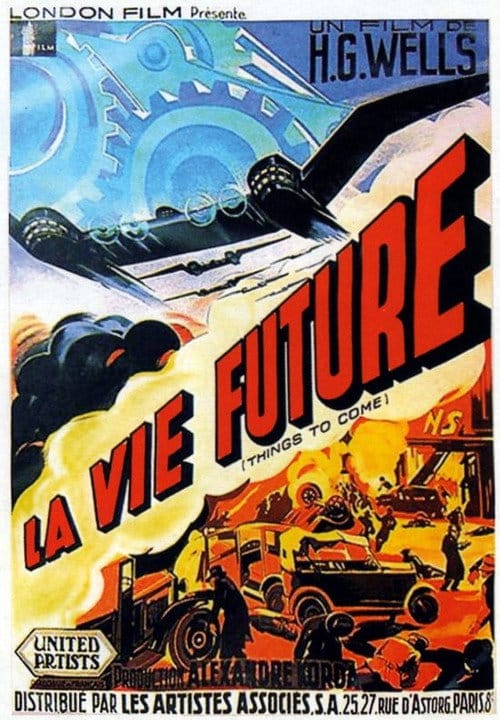
6.5·1936·91 min·English·Réalisé par William Cameron Menzies
DrameScience-Fiction
Synopsis
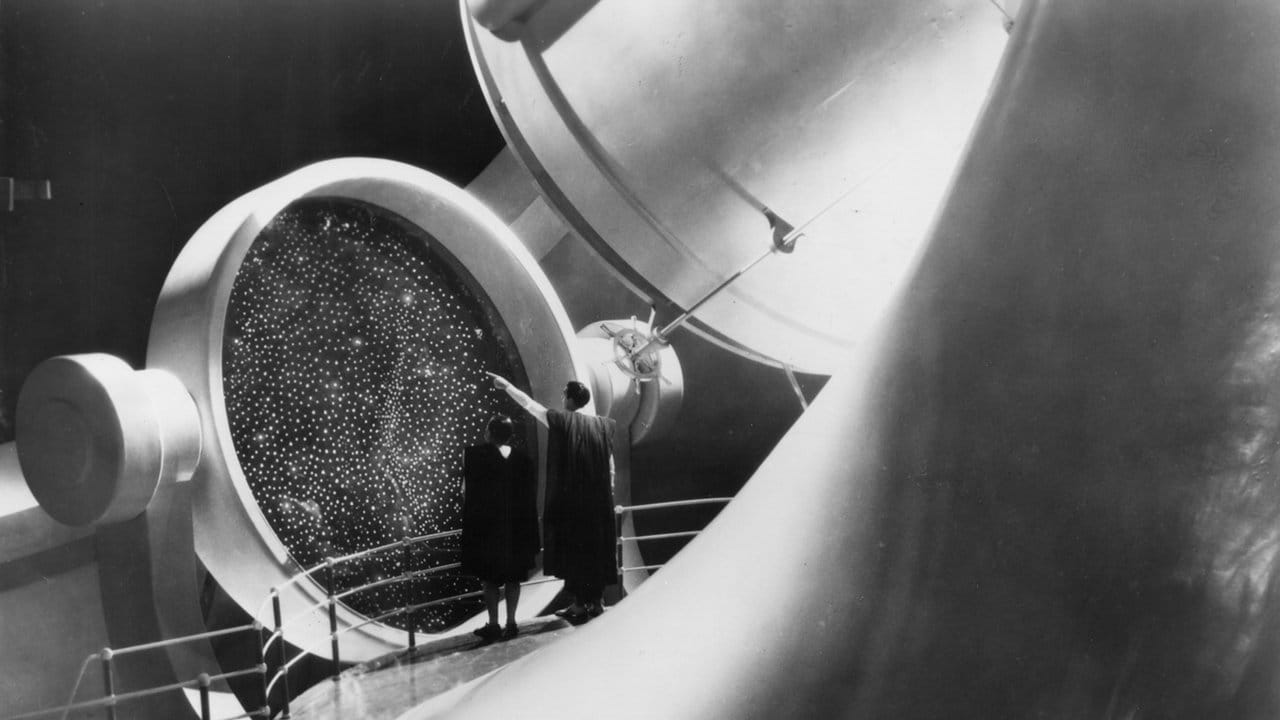
En 1936, malgré les mises en garde de pacifistes comme John Cabal, une Seconde Guerre mondiale est déclarée. La métropole d'Everytown, en Angleterre, n'est pas épargnée par les combats et Cabal a tout juste le temps de quitter la région. 1966. Les violents affrontements n'ont laissé que ruines à Everytown et la ville est dirigée par le Patron, un homme aux pouvoirs et à l'influence redoutable. C'est à ce moment que Cabal reparaît aux commandes d'un astronef. Détenteur d'une nouvelle technologie, il parvient à l'imposer à ses contemporains malgré les tentatives du Patron pour l'en empêcher. 2036. L'humanité a atteint un nouveau stade de développement. Mais déjà, la révolte gronde lors de l'envoi d'une fusée dans la Lune.
Acteurs principaux
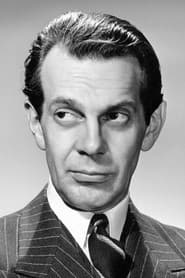
Raymond Massey
John Cabal / Oswald Cabal
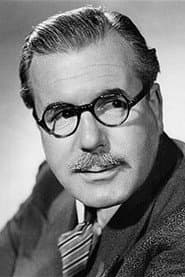
Edward Chapman
Pippa Passworthy / Raymond Passworthy
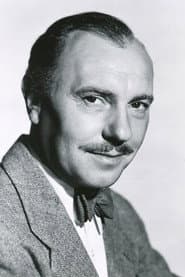
Ralph Richardson
The Boss

Margaretta Scott
Roxana / Rowena
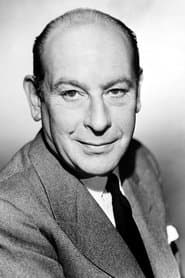
Cedric Hardwicke
Theotocopulos

Maurice Braddell
Dr. Harding

Sophie Stewart
Mrs. Cabal

Derrick De Marney
Richard Gordon

Ann Todd
Mary Gordon

Pearl Argyle
Catherine Cabal
Plus comme ça
Light of My Life
2019·6.5
Automata
2014·5.9
La Planète des singes
1968·7.7
Star Wars : L'Ascension de Skywalker
2019·6.3
Les Évadés de la planète des singes
1971·6.4
Fast Girls
2012·6.0
Gemini Man
2019·6.3
The Giver - Le Passeur
2014·6.6
Chaos Walking
2021·6.5
La Planète des singes : L'Affrontement
2014·7.3
La Planète des singes : Le Nouveau Royaume
2024·7.1
Le Passager nº4
2021·6.0
Communauté
6.6
Note Trakt
341 votes
10
27
9
16
8
40
7
85
6
119
5
24
4
7
3
8
2
8
1
6
955Spectateurs
67.0KCollectés
1.8KListes
Avis de la communauté (6)
J
JaitowerCritique★7/10Oct 6, 2023
From its striking beginning to its conclusion, the movie transports us to an intriguing array of worlds, each more fascinating than the last. [spoiler] The first third is filled with commentary about the possibility of a mass bombing wiping London off the map, a disaster that is quickly foreseen. The central part is occupied by an elaborate evocation of the post-war countryside ravaged by plagues, while the final part shows the British venturing into space with all the proselytizing passion of Victorians sent to subjugate villains. [/spoiler] The images and scenarios depicted in the film bring to mind notable influences, such as Fritz Lang's _Metropolis_, which explored megalomaniacal ambition in urban architecture, or German Expressionism, which is evident in the masterful use of shadows, chiaroscuro, and composition to depict the horrors of war. Furthermore, the film is reminiscent of visual symphonies like _Philips Industrial Symphony_ of '31,' which powerfully portrayed the manufacturing processes in mega-factories. These cinematic influences skillfully intertwine within the movie's plot, enriching its visual narrative. However, the continuous soliloquies and exacerbating dialogues, along with various climaxes, contribute to an uneven pace that can be challenging to follow. The film navigates through a constantly fluctuating curve of attention, taking the plot through peaks of emotion, moments of deep reflection, and instances of intense action, as well as periods of calm. The result is that at times, the plot seems to meander, and the footage appears disjointed. At the same time, the philosophical weight behind the movie is immense. Every scene seems to question society, its progress and evolution, the purpose of science and knowledge, and even philosophy itself from a multitude of angles. While this rollercoaster of questions can be intriguing for some viewers, for others, the experience may feel negative due to its inconsistent pace and the lack of depth in each of the philosophical themes raised. In conclusion, I want to highlight the scene in which the great Cabal, who bears a striking resemblance to the figure of Progress immortalized in one of the Nazi monuments designed by Albert Speer, delivers a grandiose technocratic canticle. This impressive sequence inevitably evokes Leni Riefenstahl, who, through works like _Triumph of the Will_, left an indelible mark on the visual representation of power and technology: 'Enough rest for the individual; too much and too soon, and we call it Death. But for Man, there is no rest and no end. He must go on, conquest after conquest. [...] And when he has conquered all the profanities of space and all the mysteries of time, he will still be beginning... The whole Universe... or Nothing. What shall it be?'
♥1
M
moonkodi★6/10Jan 24, 2022
[spoiler] A lot happens. World war. Biological warfare disease. Totalitarian dictatorship. And finally a technocratic utopia. In all scenarios we learn all societies succumb to the human nature of conquest in some way. Is the movie relevant today? Consider something like biotech. The intention is to make the rich richer by controlling that emerging market from inception and creating the demand, as well enabling population surveillance. This is under the guise of progress and protection of some sort.[/spoiler] The movie lacks depth in order to jump through timeline plot to tell the story, but it's understandable and I don't mind. I can see the story structure being a problem for some, and some timelines did drag on more than others. But the movie is ahead of it's time. It looks good and is imaginative.
♥1
L
leeb1976VIP★7/10Jul 6, 2018
I watched the colour version of this on a boring flight home! The predictions of a devastated world didn't come true. But, bearing in mind this was made in 1936, some of the future technology like flat screens, tablets and watch phones were pretty spot on. More accurate than some films made decades later. If you like old sci-fi films, it's worth giving this a go. I did find the first part a little slow, though.
♥1
D
drqshadowCritique★3/10Aug 10, 2025
Loosely based on an H.G. Wells novel, and written for the screen by Wells himself, _Things to Come_ was probably better suited to literature than cinema. It stretches to accommodate a very large timeline, a century from start to finish, with important segments in four different decades. The plot is stuffy and unhurried, happy to oblige long, smug monologues any time a major character cares to deliver one. Several times, the scene completely halts to accommodate a steep, wordy narrative passage. There’s a lot going on under the surface, subtext and symbolism in spades, but the encompassing story is so dull and plodding that they’re no fun to identify. I think this might have been easier to digest one chapter at a time, in several sittings, with ample breaks for sleep and consideration. Crunching it all down into the confines of a two-hour feature does a disservice to us all. This is a tale of favorite sci-fi subjects: pointless war, devastating plague, civilization’s fall and (over time) the advent of great technology. After a decades-long global conflict eliminates cities and nations, culture regresses and the selfish tighten their grasp. Conveniences may come and go, but human nature remains the same: give them an enemy and the masses will fall in line. The better the manipulator, the more loyal his servants. It’s not an upbeat story, but then, neither are most of this genre’s classics. We do get some fun bits, surprisingly accurate gazes into the future with a few humorous stray predictions, but they’re far too brief and trivial. This is especially disappointing because the effects work is so wonderful, given the film’s age. A lot of imagination went into these ideas, and to seeing them convincingly realized on the screen, so why don’t they get more time to breathe? _Things to Come_ was filmed a mere three years after _King Kong_, but in a technical comparison it’s light years ahead. That’s its greatest value today - as a short, glowing futurist spectacle - but you’ve really gotta earn it. Most of its loftier ideals are spoiled by the stodgy acting and labored pace.
M
marcoric★6/10Jan 20, 2025
The idea and subject would be fine. But there are too many trivial dialogues. The first part is interesting and the final too, but the center's scenes are boring. I give it six, sorry but the script has too many faults.
Avis