Chargement...
7.4·1981·121 min·English·Réalisé par Derek Burbidge
MusiqueDocumentaire
Acteurs principaux

Plus comme ça
Beastie Boys Story
2020·7.5
Selena Gomez: My Mind & Me
2022·8.5
Le Bonheur se Poursuit : Un Film-Concert des Jonas Brothers
2020·7.8
Prince : Sign o' the Times
1987·7.4
Cobain: Montage of Heck
2015·7.6
Matangi / Maya / M.I.A.
2018·7.7
The Rise of the Red Hot Chili Peppers: Our Brother, Hillel
2026·7.3
Marley
2012·7.5
The Sparks Brothers
2021·7.4
Justin Timberlake + The Tennessee Kids
2016·7.4
Tupac: Resurrection
2003·7.9

Demi Lovato: Simply Complicated
2017·7.7
Communauté
7.4
Note Trakt
33 votes
10
3
9
6
8
12
7
4
6
5
5
4
1
3
2
1
2
88Spectateurs
596Collectés
268Listes
Avis de la communauté (1)
D
drqshadowCritique★8/10Sep 22, 2025
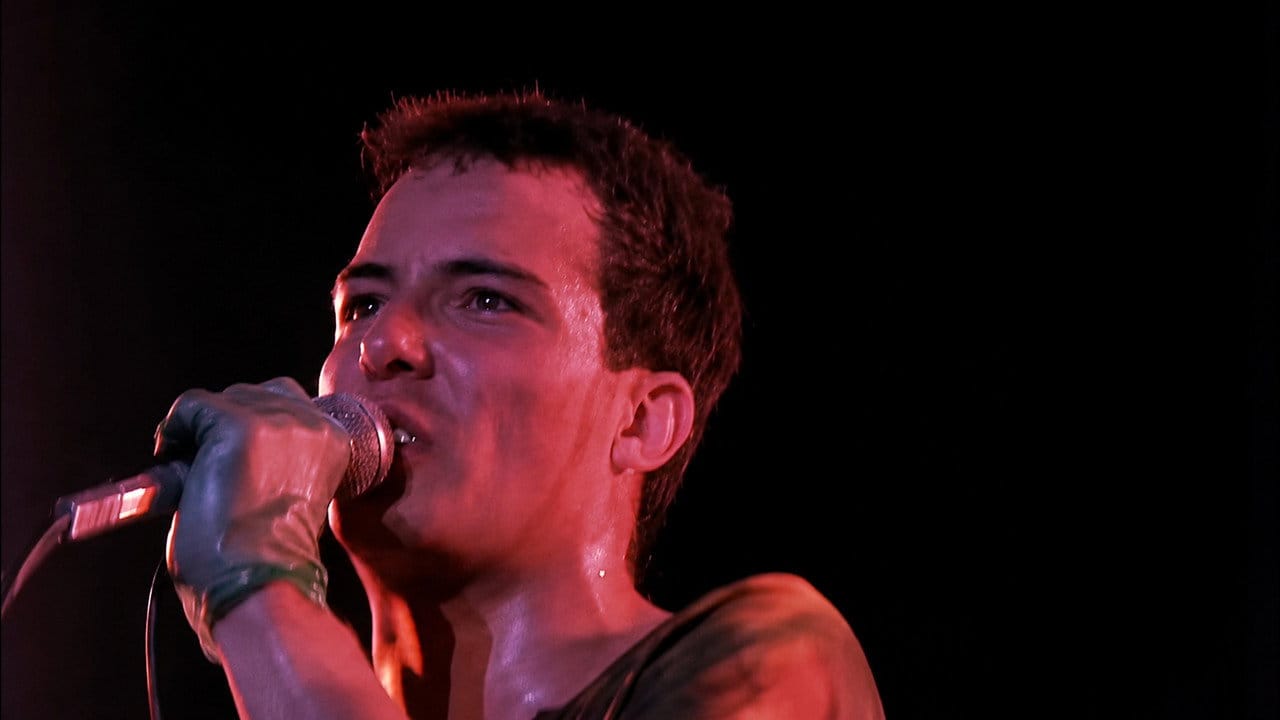
Captured during an especially fertile creative period, this live concert compilation is absolutely jam packed. Two hours of hard-hitting music and peculiar stage presence with barely enough room for a breath between numbers. The torrent of punk, new wave, ska and synthpop is relentless, allowing only one song for each act to make an impression. Well, okay, there’s one minor (and perfectly understandable) exception in that respect: The Police serve as bookends, hammering through a furious rendition of “Driven to Tears” in the opening number and stretching out with a jammy, grungy version of “Roxanne” as a closer. But since they were directly involved in the production, not to mention one of the biggest bands in the world at this time, their extra stage time seems fitting. Sting and the boys also stick around for one encore, welcoming a large assortment of friends to the stage for a relaxed ensemble number while the credits roll. One thing that really stood out, as the various acts did their best to demand my attention, was the amazing diversity of sound. Back in ’81, when most of this footage was filmed, it wasn't entirely eyebrow-raising for a hardcore punk outfit like Dead Kennedys to coexist with a proggy, horny pop group like Oingo Boingo. Avant garde art rock from Wall of Voodoo could seamlessly give way to steamy, atmospheric retro rock by The Cramps. At the risk of sounding pompous, I consider myself a pretty well-informed connoisseur of this stuff. Early ‘80s post punk and its adjacent genres have long been my jam. I knew about 2/3 of these bands, but I’d only seen performances by a few. In some cases, I’d have struggled to match faces with the liner notes. From that perspective, this was a real treat. Soaking up the music is one thing; watching the singer contort himself while the lead guitarist attacks his fretboard, that’s something else. Gang of Four is a great example. In my headphones, their brand of angry, political post punk hits one way. Witnessing a performance from their prime, hearing how their live act rearranges things, takes it up a few notches. On the other hand, Gary Numan’s music sounds much better in the studio, but his crazy stage setup and odd mannerisms are items that _must_ be seen live. Melophiles with a fondness for the era should give this a long look. With something like thirty-five different bands, the lineup is an absolute monster and a great snapshot of the time and place. The decision to include lesser-known acts alongside the big boys is also admirable. I’ll be checking out some new discographies this week, and paying different sorts of attention to the ones I thought I knew.
Avis