Chargement...
6.0·1955·82 min·日本語·Réalisé par 小田基義
Science-FictionHorreurAction
Synopsis
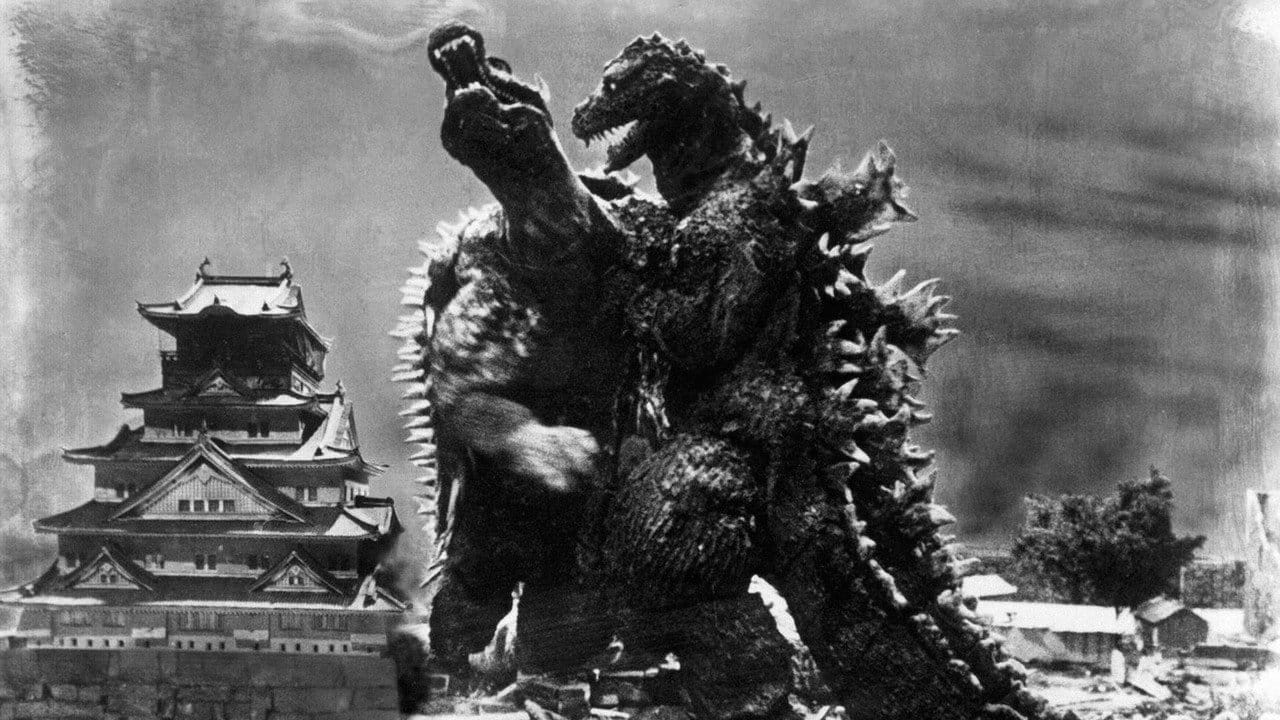
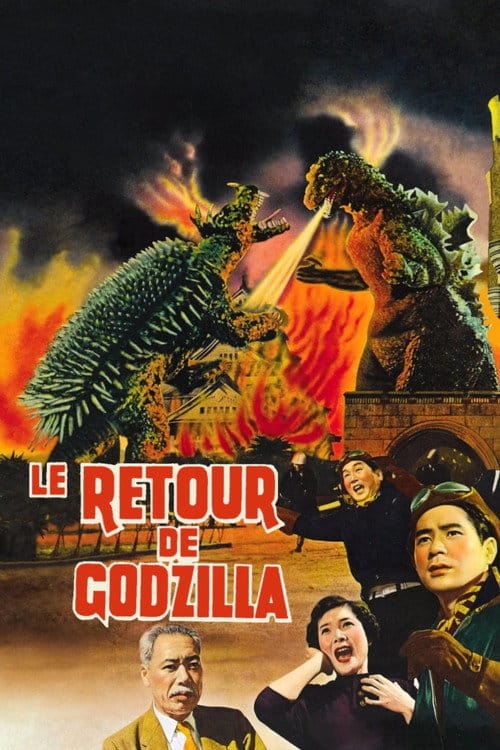
Alors qu'ils survolent les mers pour repérer des bancs de poissons, les jeunes pilotes Tsukioka et Kobayashi rencontrent Godzilla et un autre monstre en train de se livrer une bataille féroce. Les deux créatures disparaissent dans l'océan, mais refont bientôt surface près d'Osaka, qui sera dès lors le cadre d'un combat à mort entre les deux monstres et les hommes.
Acteurs principaux
小泉博
Shoichi Tsukioka

若山セツ子
Hidemi Yamaji

Minoru Chiaki
Kôji Kobayashi
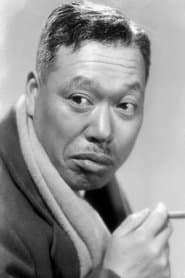
Takashi Shimura
Kyohei Yamane-hakase
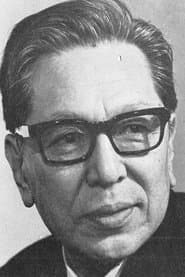
清水将夫
Zoologist Dr. Tadokoro
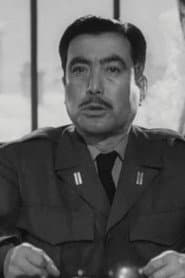
恩田清二郎
Captain Terasawa of Osaka Defense Corps
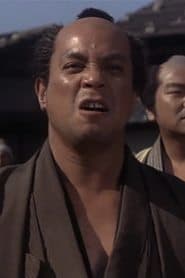
澤村宗之助
Hokkaido Branch Manager Shingo Shibeki
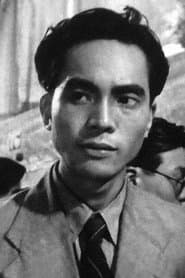
Yoshio Tsuchiya
Tajima, Member of Osaka Defense Corps
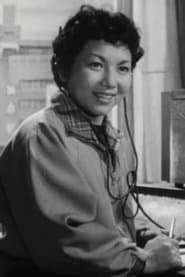
木匠マユリ
Radio Operator Yasuko Inouye
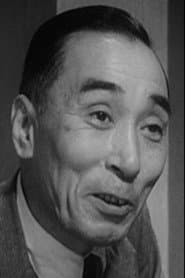
山田巳之助
Chief of Civil Defense
Godzilla (Original) - Saga
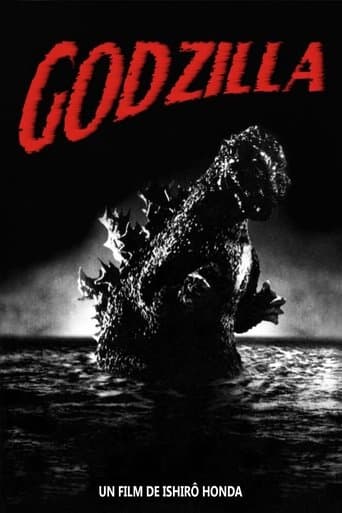
Godzilla
1954·7.6
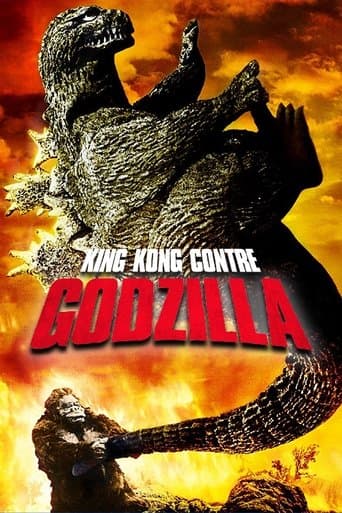
King Kong contre Godzilla
1962·6.9
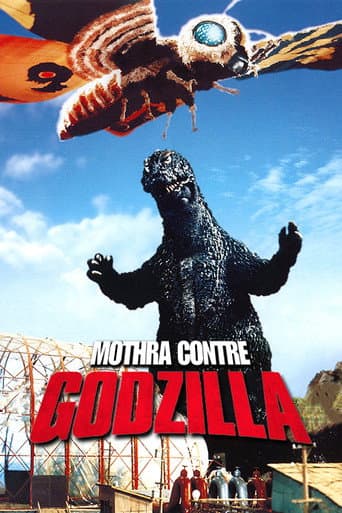
Mothra contre Godzilla
1964·7.0
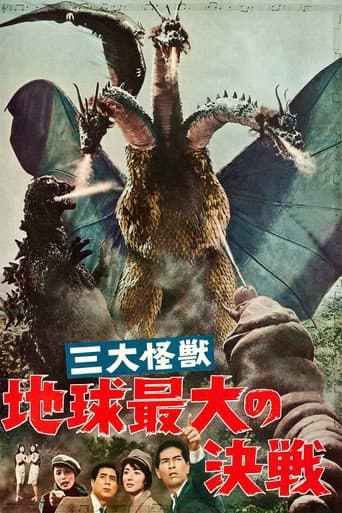
Ghidrah, le monstre à trois têtes
1964·7.0
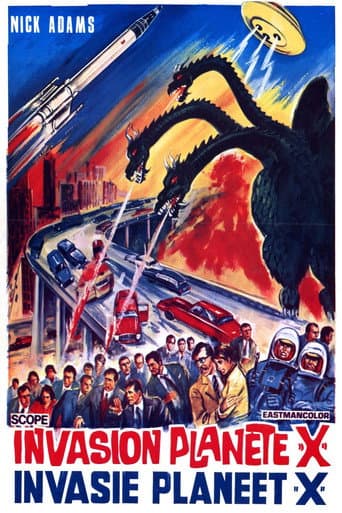
Invasion Planète X
1965·6.8
Ebirah contre Godzilla
1966·6.3
La Planète des Monstres
1967·6.4
Les envahisseurs attaquent
1968·6.9
La Revanche de Godzilla
1969·5.1
Godzilla contre Hedorah
1971·6.8
Godzilla contre Gigan
1972·6.4
Godzilla 1980
1973·6.2
Plus comme ça
Godzilla
1954·7.6
Invasion Planète X
1965·6.8
King Kong contre Godzilla
1962·6.9
Godzilla vs Megaguirus
2000·6.7
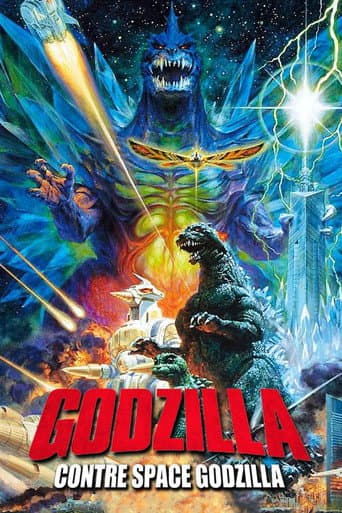
Godzilla vs Space Godzilla
1994·6.7
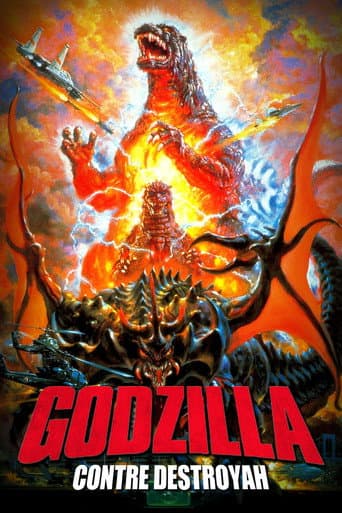
Godzilla vs Destroyah
1995·7.8
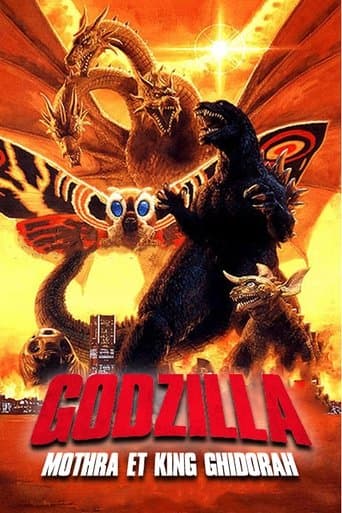
Godzilla, Mothra and King Ghidorah: Giant Monsters All-Out Attack
2001·7.5
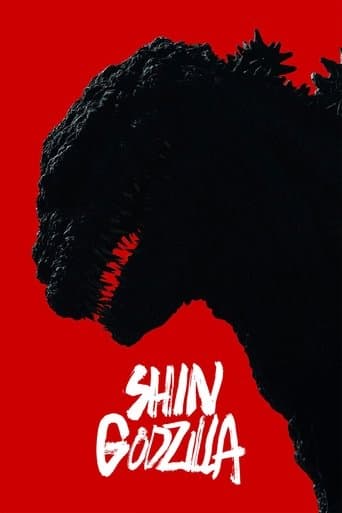
Shin Godzilla
2016·7.2
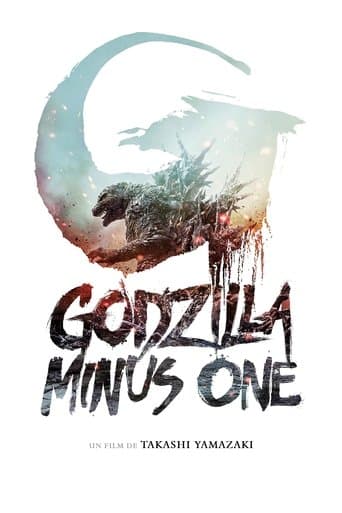
Godzilla Minus One
2023·7.6
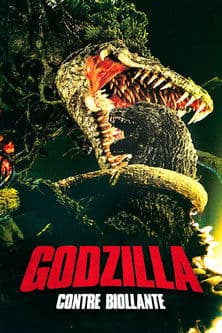
Godzilla vs Biollante
1989·7.4
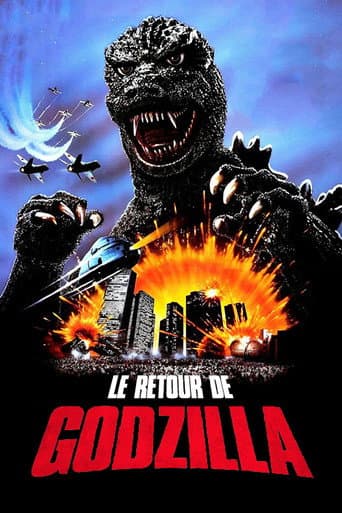
Le Retour de Godzilla
1984·7.2
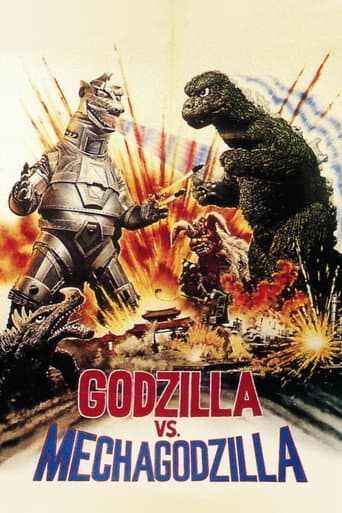
Godzilla contre Mecanik Monster
1974·7.0
Communauté
5.7
Note Trakt
552 votes
10
25
9
8
8
27
7
61
6
184
5
147
4
59
3
19
2
16
1
5
1.6KSpectateurs
29.5KCollectés
1.1KListes
Avis de la communauté (9)
W
Whitsbrain★6/10Jan 15, 2022
This is an enjoyable follow-up to the original "Gojira". The Japanese version of this film is superior to the hacked up American version (called "Gigantis, the Fire Monster"). In this movie, Godzilla battles Angilas and the battles are actually lengthy and engaging. I was impressed by the fight sequences even though they do look a little funny during the times that they are sped up. The Godzilla suit is a little scary, especially early in the film when it is reminiscent of the original "Gojira". Angilas is not nearly as successful of a creation. Close-ups of the beast's head are entirely unconvincing. There are some of the usual guffaws like jet planes clearly supported by strings, miniature buildings lifting slightly without damage when inadvertently bumped by a monster, but these are things that make these movies so endearing and fun. The conclusion is inventive but gets repetitious and drags on too long. The Toho Master Collection DVD contains a very interesting extra that covers history of the actors who played Godzilla (and other famous Toho monsters).
♥3
A
AlfieSGDVIP★5/10Dec 1, 2023
Even though "Godzilla Raids Again" still strikes a semi-serious tone to a certain extent, I can't really take the movie seriously. The whole monster vs. monster concept, which is used for the first time in this sequel, always seems a bit ridiculous to me. When guys in monster costumes tussle with each other, it's usually rather unintentionally funny. However, some of the effects in the second Godzilla film are still quite convincing. Even worse than in the first part, though, are the human characters, who are uninteresting in every way. And the story didn't exactly knock my socks off, either. Overall, I found "Godzilla Raids Again" a bit boring, even though it's certainly not a total failure. But unlike the first part, the movie definitely doesn't have anything substantial to say.
♥1
B
beardedonewatchesVIP★5/10Jan 27, 2023
Being nowhere near as impactful as the original Godzilla, Godzilla Raids Again feels more like someone saw how successful the first one was, and decided they needed to make a cash grab. Cheaply made, a lot of reused footage, bad pacing, and no real story to speak of. Out of all the Godzilla movies I have seen, this is the least memorable, and unless you aim to see them all, this can safely be skipped.
♥1
D
drqshadow★5/10Jan 29, 2020
Godzilla's second appearance, released way back in the mid '50s, is much more in line with a classic horror film than the kitschy dust-ups that would soon follow. It's ambitious without being overzealous, tries hard despite rudimentary technical capabilities and the human subplots actually aid the monsters' storyline, rather than distracting from it. The necessity of shooting in black and white actually works to benefit the special effects. Concealed amidst a wash of inky shadow and evening murk, the tiny onslaught of toy tanks and rocket launchers seems more formidable, less obvious as a visual trick. Godzilla and his foe, the spiny reptile Anguirus, don't enjoy the same luxury. Although their battles are significantly faster in tempo and harder-hitting than in future installments, the old suits (particularly their heads) just don't hold up to close scrutiny. Looking back, the continuity is also problematic, but that's never been a strong suit for this franchise. All in all, it's perfectly enjoyable as a rather basic, single-focus disaster movie that knows where its bread is buttered. Maybe not as bold and bombastic as later entries, but that's not necessarily a bad thing.
♥1
A
Aski94VIPCritique★4/10Dec 10, 2025
[English + French] Critic More detailed in English 🇬🇧🇺🇸 Godzilla Raids Again (1955), directed by Motoyoshi Oda, was made in a hurry. After the first movie, which exceeded all expectations and became a real cultural phenomenon in Japan, Toho wanted to make a sequel immediately. The result is a movie that feels rushed because there was not enough time to develop it properly. The story begins with an air patrol: pilots spot two kaiju fighting, Godzilla and Anguirus. Since the first Godzilla was defeated only a few months earlier, the authorities quickly understand that it was only one of its species and that the huge efforts made before were useless. To avoid repeating the same plot as the first movie, a second kaiju is introduced: Anguirus, a creature inspired by classic dinosaurs, especially the ankylosaurus. The plot naturally leads (and not surprisingly) to a fight between the two monsters. The movie relies almost entirely on their battles, which are quite messy. The slow-motion used in the first movie to give weight and size to the creatures is not used here. The result sometimes feels like a school-end wrestling show, which takes the viewer out of the experience. The human characters, and their development in the movie, remain shallow and seem to exist only because the script required them. The return of Takashi Shimura as Kyohei Yamane brings welcome continuity to the story and avoids some repetition from the first Godzilla, as he represents the living memory of the past disaster. However, the new characters are barely developed: they go from one love scene to another and spend most of the movie as powerless spectators in front of the two kaiju. The models, which were a strong point of the first movie, become one of the main weaknesses here. Much less detailed, they show the lack of time for production: most scenes with them take place in front of seaside warehouses or on a poorly designed small island, where the lack of details is very noticeable. The director also uses many archive shots from the first movie, mainly to show more Godzilla, and repeats shots of tanks and airplanes too much. This repetition breaks the rhythm of the scenes, making the viewer wonder when they will finally end. In this sequel, Godzilla has a double role, both as a savior fighting Anguirus and as a feared destroyer for the Japanese. Oda did not seem to know which direction to take, resulting in a disproportionate and messy kaiju chase in the climax. In conclusion, the movie introduces the idea of kaiju battles and diversity in their traits, but it is very poorly executed and ruined by the short production time. It would take seven years and the return of Ishirō Honda to see Godzilla on the big screen again. Godzilla Raids Again (1955), réalisé par Motoyoshi Oda, naît dans l’urgence. Après le premier film, phénomène culturel au Japon, la Toho veut immédiatement produire une suite. Le résultat est un film précipité, faute de temps pour le développer correctement. 🇫🇷 L’histoire s’ouvre sur une patrouille aérienne : des pilotes repèrent deux kaiju en train de se battre, Godzilla et Anguirus. Comme le premier Godzilla a été vaincu quelques mois plus tôt, les autorités comprennent qu’il n’était qu’un spécimen et que les efforts déployés précédemment n’ont servi à rien. Un second kaiju est introduit : Anguirus, inspiré des dinosaures classiques, notamment l’ankylosaure. L’intrigue conduit naturellement à l’affrontement entre les deux monstres. Le film repose presque entièrement sur leurs combats, assez brouillons. Le ralentissement volontaire des images du premier film est abandonné, donnant parfois l’impression d’un spectacle de catch qui sort le spectateur de l’expérience. Les personnages humains restent superficiels et semblent n’exister que pour le cahier des charges. Le retour de Takashi Shimura dans le rôle de Kyohei Yamane apporte une continuité et un savoir qui permet d'évite toute la découverte précédemment faite. Les nouveaux protagonistes sont à peine abordés et demeurent spectateurs impuissants face aux kaiju. Les maquettes, auparavant force du film, deviennent une faiblesse. Beaucoup moins détaillées, elles trahissent le manque de temps : les scènes se déroulent devant des entrepôts ou sur une petite île pauvrement conçue. Le réalisateur utilise aussi de nombreuses séquences d’archives et répète trop les tirs de tanks et d’avions, cassant le rythme. Godzilla a un double rôle, à la fois sauveur et destructeur redouté. Oda ne semble pas savoir dans quelle direction aller, ce qui donne un climax disproportionné et brouillon. En conclusion, le film introduit l’idée de bataille entre kaiju et de diversité dans leurs caractéristiques, mais il est mal exécuté et saccagé par un délai de production trop court. Il faudra attendre sept ans et le retour d’Ishirō Honda pour revoir Godzilla sur grand écran.
Avis