Chargement...
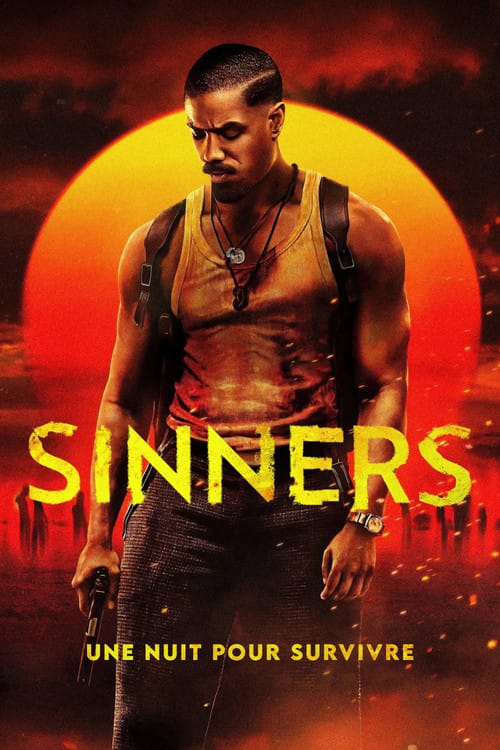
7.5·2025·138 min·English·Réalisé par Ryan Coogler
Une nuit pour survivre.
HorreurActionThriller
Synopsis
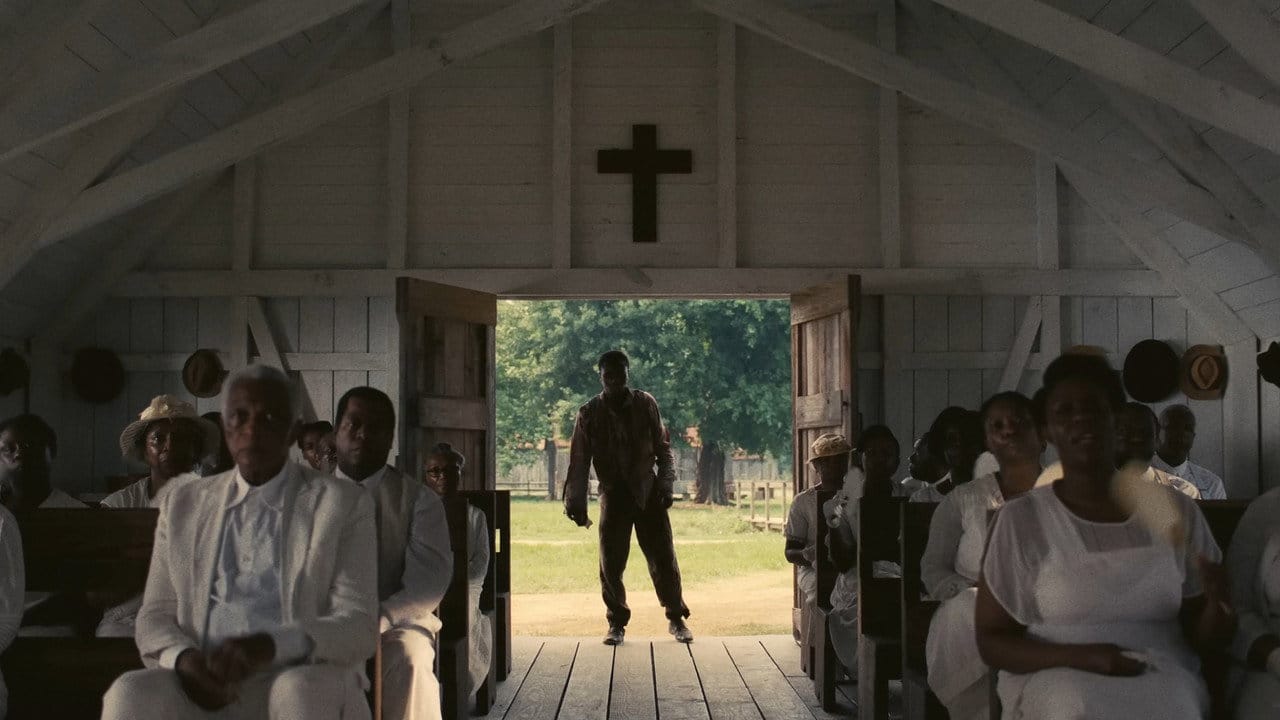
Alors qu’ils cherchent à s’affranchir d’un lourd passé, deux frères jumeaux reviennent dans leur ville natale pour repartir à zéro. Mais ils comprennent qu’une puissance maléfique bien plus redoutable guette leur retour avec impatience.
Acteurs principaux
Michael B. Jordan
Smoke / Stack

Hailee Steinfeld
Mary

Miles Caton
Sammie Moore
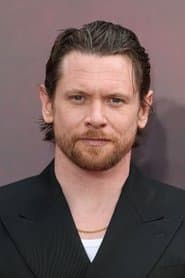
Jack O'Connell
Remmick

Wunmi Mosaku
Annie
Communauté
7.7
Note Trakt
23.1K votes
10
3.7K
9
3.4K
8
6.6K
7
4.7K
6
2.6K
5
1.1K
4
451
3
206
2
191
1
172
132.2KSpectateurs
39.1KCollectés
30.1KListes
Avis de la communauté (12)
J
Jorba921★10/10Apr 20, 2025
Vampire hit that Irish Jig pretty fuckin hard ngl
♥180
J
JimDarko★6/10Apr 18, 2025
Finally a movie that has the balls to state that Irish people are evil
♥120
P
pulse092VIPMay 10, 2025
Big disappointment..waste of my time. the best part was the music.
♥47
R
RevErebusApr 24, 2025
Vampire that knocks on victims door in broad daylight somehow gets killed by sunlight
♥39
H
heyflpCritique★10/10Apr 18, 2025
Ryan Coogler, in “Sinners,” delivers a film that feels like it came straight from a raw creative spark—free from formulaic expectations, but shaped by a steady, experienced hand that’s deeply connected to the stories it wants to tell. It’s a genre film—or rather, a blend of many genres—but it never gets lost in the stylistic patchwork it dives into. What could’ve easily become a messy, overstuffed experiment turns into a cohesive spectacle, one that truly understands the symbolic power of cinema. “Sinners” starts off as a Southern tale about going back to one’s roots and ends up as a mythic horror story about the power of Black music, the threat of cultural whitewashing, and the tragedy of a country built on plunder. What’s wild is that none of it feels forced. Coogler orchestrates all this chaos with the calm confidence of someone who fully trusts his own vision. The core narrative is already fascinating: twin brothers—Smoke and Stack—return to Mississippi in the post-Prohibition era with the plan of opening a juke joint. They carry with them a heavy past that’s never spelled out completely, but its shadow lingers over every scene. The decision not to show us exactly what they’ve been through—letting it all unfold through gestures, silences, and fragmented dialogue—gives the film a near-mythical weight. Michael B. Jordan, playing both roles without falling into caricature or flashy contrasts, brings out subtle but distinct differences, as if the two men are just fractured sides of the same soul. Stack is the impulse, Smoke is the brake. Both are survivors looking for a breath of peace—and they end up stumbling into a whole new kind of hell. The Mississippi we see in “Sinners” isn’t just a backdrop—it’s a living, breathing, haunted presence. Shot in 65mm by Autumn Durald Arkapaw, the American South is shown with a melancholic beauty, where the light seems desperate to break through the cracks of history, but keeps getting swallowed by shadows. This visual style works especially well because it’s completely in sync with the film’s narrative tone: even in moments of celebration, there’s always a hint of danger—an off glance, a sketchy whisper, a dissonant note. Even before the vampire twist hits, you already feel something supernatural hovering. And when that shift does come, it doesn’t feel like a change of gears—it feels like the inevitable reveal of what’s been under the surface all along. The arrival of the vampires—singing Irish folk ballads and bringing a threat that goes way beyond physical violence—is one of Coogler’s boldest moves. The metaphor might seem obvious at first—white folks draining the life out of Black culture—but the script doesn’t settle for a simple, surface-level reading. There are layers of ambiguity that make this threat even more unsettling. These creatures don’t just want blood—they want presence, belonging, symbolic power. The fact that they’re drawn to Sammie’s (Miles Caton) music—a mix of raw talent and ancestral pain—turns the film into a story about appropriation and resistance, but without slipping into easy black-and-white morality. Coogler isn’t trying to preach—he wants to provoke. And it’s here that the film’s multi-genre structure really shines. “Sinners” flirts with Westerns (through stare-downs and wide landscape shots), with mob dramas (in the moral dilemmas and criminal underworld twists), with musicals (in show-stopping IMAX performances that feel like time just pauses), and with horror (in gut-punching attacks and that lingering sense of ancient evil). But what’s amazing is that none of this feels like a jumble of references—it’s more like an intuitive collage, where every cinematic language is used with purpose. When Coogler lets the music take over the screen—especially in a long, psychedelic sequence that echoes Baz Luhrmann’s stylized chaos—it’s not for show. It’s the film’s soul spilling out. Of course, the script doesn’t hit the mark 100% of the time. Some character decisions—like the failed attempt to keep Sammie away from the club—feel a bit off. Others, like the brothers’ relationships with old lovers, don’t quite get the development they need. But none of that undercuts the movie’s overall impact, because “Sinners” is less about plot and more about mood, themes, and emotional states. What Coogler builds here is a sensory experience, where every visual, every sound, every moment is designed to stir something deeper than just following a story from point A to B. By the end, when you think the film has said all it needs to, it still finds room for an epilogue—a kind of elegy, a final musical breath. And it’s that refusal to wrap things up neatly that makes it hit so hard. “Sinners” doesn’t want to be tidy. It doesn’t want to be controlled. It wants to overflow. This is cinema that vibrates, bleeds, and sings. A film that sees the past not as something to illustrate, but as a wound still open—and dares to look straight into it with honesty, beauty, and rage. In the end, Coogler didn’t just make his first original movie—he made his boldest, most personal, and maybe even his most vital one yet.
♥38
Avis