Chargement...
8.0·2024·95 min·ar·Réalisé par باسل عدرا
Documentaire
Synopsis
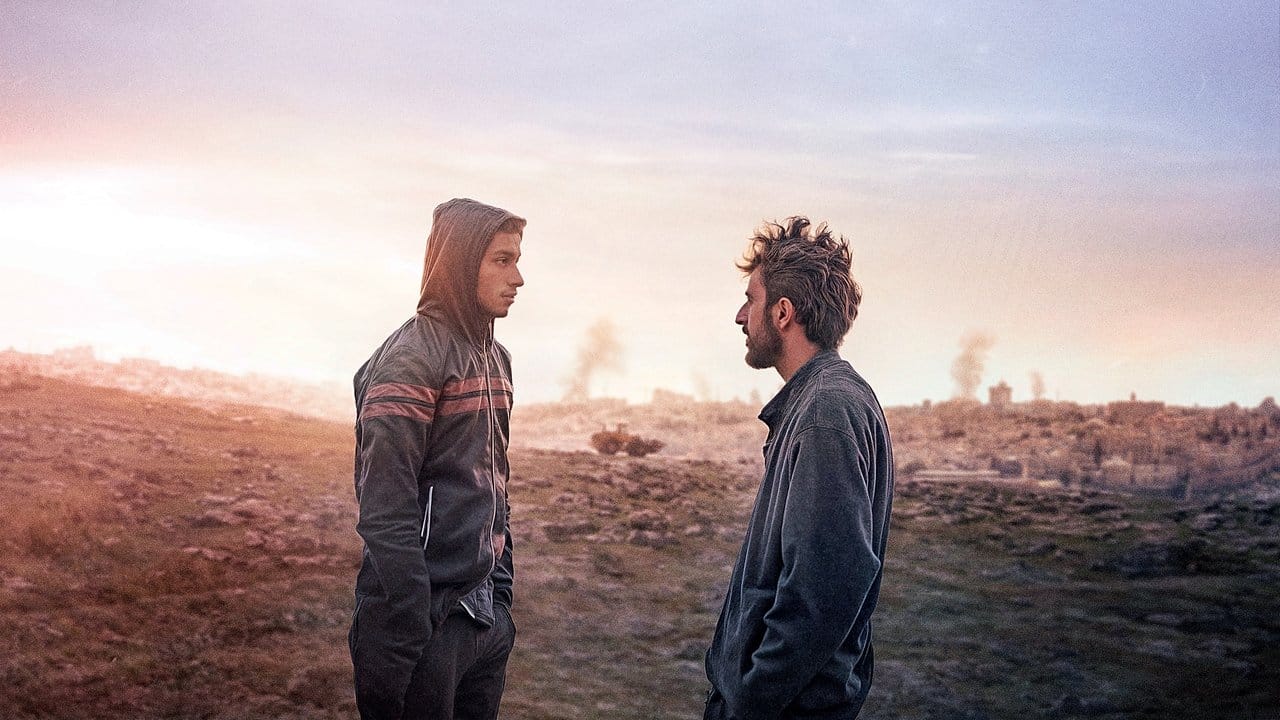
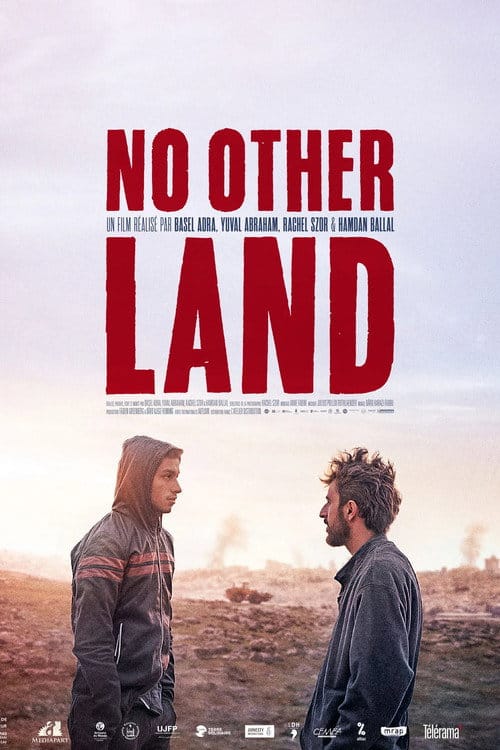
Depuis plus de 5 ans, Basel Adra, un activiste palestinien en Cisjordanie, filme l’expulsion de sa communauté par l'occupation israélienne qui détruit progressivement les villages et chasse ses habitants. Il rencontre Yuval, un journaliste israélien, qui le soutient dans ses démarches. Une amitié inattendue voit le jour.
Acteurs principaux

Plus comme ça
McQueen
2018·7.5
Images de la libération des camps. Chronique d’un film inachevé
2014·7.6
Chaos d'anthologie : Le film d'une fête trop virale
2025·5.9
Room 237
2012·6.1
Pour Sama
2019·8.3
My Mom Jayne
2025·8.0
Une décennie sous influence
2003·7.9

Voyeur
2017·5.9
Maternal Instinct : L'énigme Taylor Parker
2026·7.2
Fuck
2006·6.4

Numéro inconnu : Textos toxiques au lycée
2025·6.8

Il était une fois John Wick
2025·7.4
Communauté
8.6
Note Trakt
1.1K votes
10
433
9
165
8
296
7
100
6
58
5
11
4
12
3
5
2
6
1
10
3.9KSpectateurs
11.5KCollectés
3.7KListes
Avis de la communauté (12)
V
vinaldo7★10/10Mar 3, 2025
The most deserved Oscar win of them all! Free Palestine!
♥13
H
heyflpCritique★10/10Jan 13, 2025
The documentary “No Other Land” is an open wound, a visceral experience that goes beyond mere viewing to drag us, unapologetically, into the heart of a conflict where human dignity is methodically crushed by cold, bureaucratic machinery. Directed by a team of Israeli and Palestinian filmmakers (Rachel Szor, Hamdan Ballal, Yuval Abraham, and Basel Adra), the film doesn’t offer comforting solutions or conciliatory narratives. Instead, it delivers an unflinching portrayal of life in Masafer Yatta, a Palestinian community living under the constant shadow of destruction. The film’s power lies in its ability to capture the absurdity of brutality with harrowing clarity. A woman screams for her daughters as her home is demolished, only to be met with a cold, “It doesn’t matter.” That phrase echoes not just as a symbol of dehumanization in the conflict but as a cruel reminder of the disconnect between oppressor and oppressed. These moments of chilling indifference punctuate the film, each more gut-wrenching than the last, as the directors build a narrative where pain is constant, but resistance is inevitable. Basel Adra, one of the central figures, emerges as a living symbol of Masafer Yatta’s resilience. The son of activists, his life has been shaped by the conflict, and his footage of demolitions and attacks serves as both documentation and defiance. His relationship with Yuval Abraham, an Israeli journalist accompanying him in the struggle, adds layers of complexity to the film. There’s a fascinating dynamic between them, marked by their contrasting perspectives and experiences. While Yuval approaches the conflict as an outraged observer, Basel experiences every moment as a fight for survival. This disparity never becomes antagonistic; instead, it reinforces the documentary’s authenticity and the stakes at hand. The aesthetic choices in “No Other Land” are another of its strengths. Chaotic scenes, captured with shaky cameras and improvised angles, are juxtaposed with contemplative shots that reveal the fragility and beauty of everyday life in Masafer Yatta. Images of children playing in a park that’s about to be destroyed or Basel’s father’s solitary gas station act as poetic breaths amid the storm. These moments not only humanize the region’s inhabitants but underline the tragedy of a world under constant threat of erasure. While the narrative is deeply political, “No Other Land” avoids rhetoric or didactic monologues. It presents the facts with brutal clarity and leaves us to grapple with the emotions they evoke. When soldiers pour cement into a well or a man is shot while trying to protect his generator, the outrage doesn’t need to be spelled out—it’s palpable. This is a film that understands that, in situations like this, images speak louder than any argument. At the same time, the documentary doesn’t shy away from tough questions. What does it mean to rebuild homes repeatedly, knowing they’ll be destroyed again? How sustainable is resistance in a system that seems relentlessly cruel? These questions linger in every demolition and reconstruction, every cry of despair, and every hollow gaze of soldiers blindly following orders. But “No Other Land” is not just a portrait of despair. It’s also an ode to resilience, even when that resilience is steeped in pain and exhaustion. The people of Masafer Yatta keep rebuilding, keep fighting, even when victory feels unreachable. This duality—the tragedy of the situation and the immeasurable strength of those who resist—is what makes the documentary so powerful and so necessary. Ultimately, “No Other Land” is a plea for us not to grow numb to cruelty, to reject the notion of “It doesn’t matter” as a response to the world’s injustices. It’s a film that challenges us to look, to feel, and, above all, to care. It doesn’t offer solutions, but perhaps it doesn’t need to. Simply bearing witness—in all its complexity and discomfort—is a first step toward refusing silence.
♥10
H
huzama★10/10Mar 4, 2025
Even though this movie barely shows a fraction of the true injustice, I was still devastated—just like I was with The Pianist. People killing people over different religions: same story, different era
♥9
M
miguelreina★8/10Jan 31, 2025
[Filmin] A much-needed documentary to understand the level of violence that Israeli settlers have been practising through the progressive destruction of Masafer Yatta in the West Bank. But it is also a story of possible friendship between two young people from both sides, which nevertheless shows how difficult it can be to prevent this relationship from spreading. This collective work vindicates trench journalism as the necessary instrument to show a reality that has a clear point of view, but which expresses the abusive and violent nature of an illegal occupation.
♥4
D
dachinno★10/10Mar 26, 2025
I don’t know who can still be in disbelief on what’s going on in Palestine but cognitive dissonance is powerful, as is cowardice and stupidity. This movie shows why resistance is a must. Free Palestine!
♥3
Avis