Chargement...
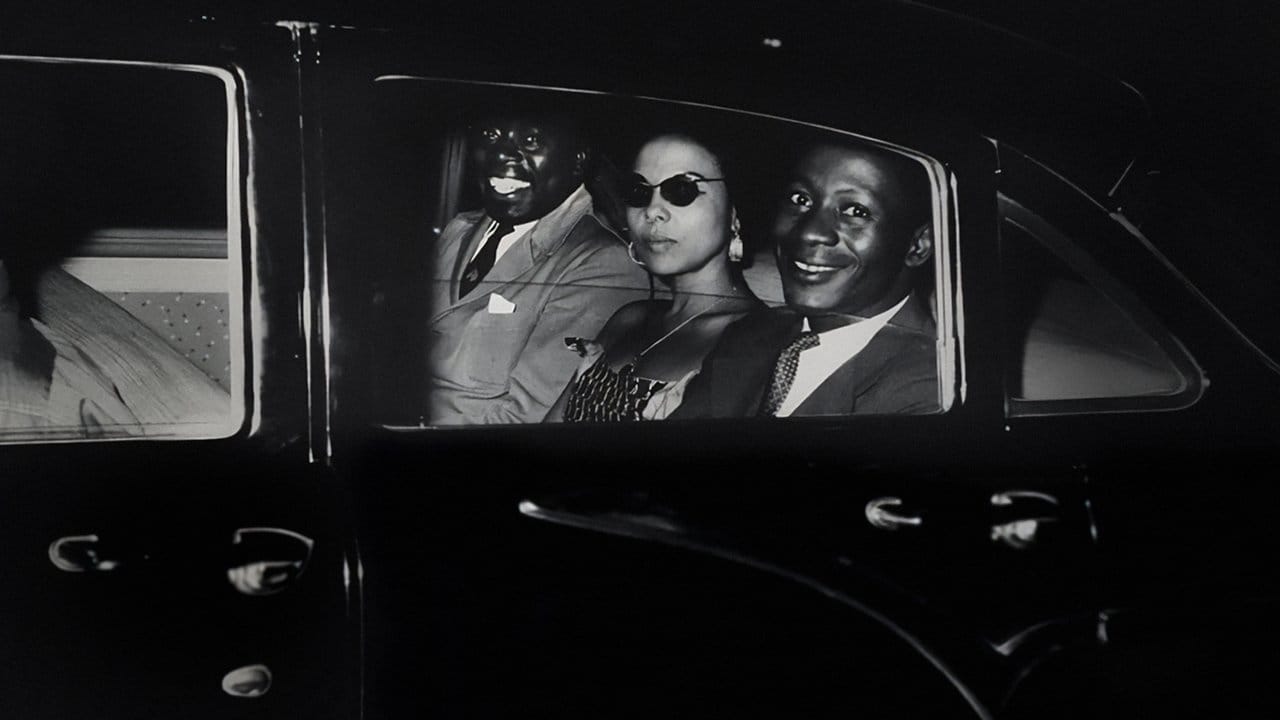
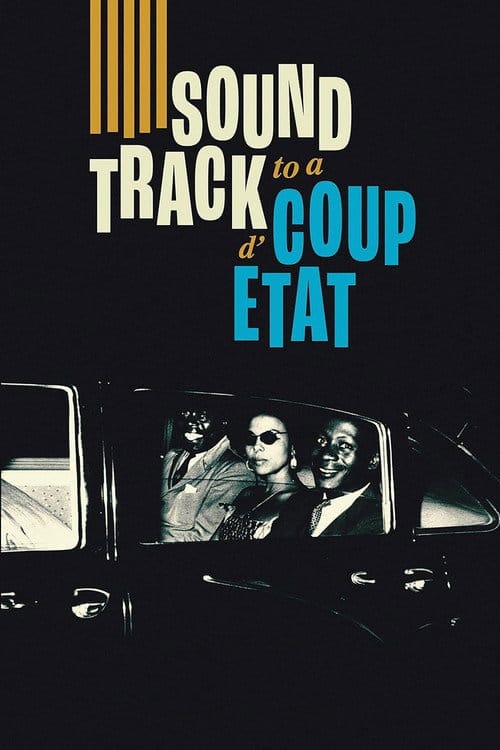
7.7·2024·150 min·Français·Réalisé par Johan Grimonprez
DocumentaireHistoireMusique
Synopsis
En 1960, les Nations unies : le Sud déclenche un séisme politique, les musiciens Abbey Lincoln et Max Roach s'incrustent au Conseil de sécurité, tandis que les États-Unis envoient l'ambassadeur du jazz Louis Armstrong au Congo pour détourner l'attention de leur premier coup d'État post-colonial africain.
Acteurs principaux
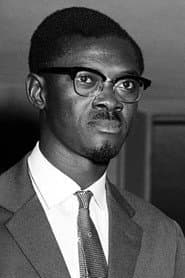
Patrice Lumumba
Self (archive footage)
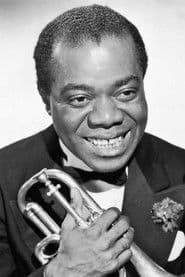
Louis Armstrong
Self (archive footage)
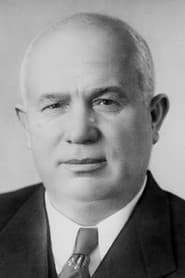
Никита Хрущёв
Self (archive footage)
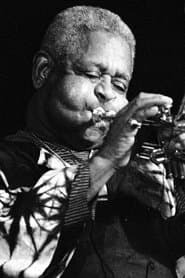
Dizzy Gillespie
Self (archive footage)
Andrée Blouin
Self (archive footage)
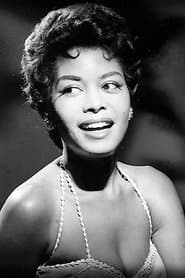
Abbey Lincoln
Self (archive footage)
Max Roach
Self (archive footage)
Malcolm X
Self (archive footage)
Nina Simone
Self (archive footage)
John Coltrane
Self (archive footage)
Plus comme ça
Cold case à l'ONU
2019·6.8
The Bloody Hundredth : la 100e escadre
2024·7.1
Shoah
1985·8.2
Oppenheimer, l'homme et la bombe
2023·7.7
Le Voyage extraordinaire
2011·7.7
Making waves : la magie du son au cinéma
2019·6.9
Zeitgeist: The Movie
2007·7.0
Oasis : Supersonic
2016·7.4
Il était une fois à Hollywood
1974·7.4
Lumière ! L'aventure commence
2016·7.9
EPiC: Elvis Presley in Concert
2026·8.2
11 septembre : dans la cellule de crise du Président
2021·6.8
Communauté
7.8
Note Trakt
243 votes
10
42
9
38
8
69
7
49
6
22
5
12
4
8
3
2
3
1
683Spectateurs
9.5KCollectés
1.3KListes
Avis de la communauté (6)
M
morbo★9/10Apr 5, 2025
A must-see. So much information, so much original material, storytelling is jazzy af. Watching is a constant roller coaster.
♥2
M
miguelreina★8/10Mar 8, 2025
[Filmin] A fascinating cinematic exercise, a jam session that reviews the independence of the Congo and the dream of a United States of Africa, frustrated by the intervention of Western countries, the UN and the CIA, which in some way define the current state of the African continent. The inclusion of jazz musicians who served as ambassadors and the mix of their protest songs with the vast archive material offers a different way of approaching history, thanks to a narrative that is not chronological but connects the Cold War of the 1960s with the economic interests of today.
♥1
A
AlfieSGDVIP★5/10Feb 5, 2025
Documentaries that deal with historical developments that I previously knew very little about are generally to be welcomed. In the case of “Soundtrack to a Coup d'Etat,” the main focus is on assassination plans and the subsequent murder of the first prime minister of the independent Congo, Patrice Lumumba, in the 1960s. The film is presented in a montage of original footage, text panels, and jazz music. And to be honest, the film does feel a bit like jazz, in the sense that the individual sections don't always fit together harmoniously, and there is no really coherent narrative. For me at least, this meant that I couldn't always follow the movie very well. However, I'm also not a big jazz fan, which is why the soundtrack also annoyed me a little. But for fans of jazz AND history, it is certainly the documentary to watch.
♥1
H
heyflpCritique★9/10Jan 12, 2025
“Soundtrack to a Coup d’État” feels more like a jam session of ideas and emotions than a straightforward history lesson. Directed by Belgian filmmaker Johan Grimonprez, the documentary blends music, politics, and collective memory to transport us to post-independence Congo and dive into the tragedy of Patrice Lumumba’s fall. It’s a powerful mosaic where every element—from archival footage to the jazz-heavy soundtrack—contributes to a dynamic portrait of a historic moment filled with promises, betrayals, and echoes that still resonate today. Right from the start, the film sets its tone by weaving vibrant footage of newly independent Congo with electrifying performances by jazz legends like Nina Simone and Louis Armstrong. The music isn’t just background noise—it’s a crucial part of the narrative, capturing both the optimism and the chaos of that era. Grimonprez uses jazz as a living metaphor for the political and social improvisation that defined the struggle for independence amidst Western powers’ scheming. Every off-key note and unexpected pause mirrors the turbulence of a Congo striving to shape its own future while external forces worked to keep it chained to the past. The documentary’s non-linear structure is utterly fascinating, jumping between decades, events, and cultural contexts. This approach might feel disorienting at first, but it’s a deliberate choice that reflects the complex history Grimonprez aims to unravel. There’s no attempt to smooth over or simplify the narrative; instead, the film demands your full attention, pushing the audience to deeply engage with the events on screen. This fragmented style is also a reminder that colonialism and its aftermath aren’t linear stories—they’re scars that continue to branch out, connect, and reverberate. At the heart of the film is Patrice Lumumba, a pulsating symbol of hope and tragedy. Grimonprez emphasizes his revolutionary vision and martyrdom without holding back. Lumumba is portrayed as a messianic figure, a leader whose dream of a sovereign Congo and a unified Pan-Africanism was as inspiring to his people as it was threatening to colonial powers. Here, the film takes on a heavier tone, showing how his vision was systematically dismantled through calculated assassinations, coups, and political manipulation. Grimonprez also masterfully examines the intersections of culture and politics. The tours of musicians like Armstrong and Simone are contextualized as part of Western powers’ soft diplomacy strategies, while the music they performed in turn became a form of cultural resistance. This duality—of artists often unknowingly serving imperialist interests while their songs inspired revolutionary movements—is one of the documentary’s most tragic and thought-provoking aspects. Perhaps the film’s greatest strength lies in its ability to turn historical facts into a visceral experience. Its sharp editing connects archival footage of Lumumba’s speeches, contemporary Congo scenes, and modern ads from brands like Tesla and Apple, drawing provocative parallels between colonial exploitation and present-day systems of extraction and inequality. It’s a stark reminder that history doesn’t just repeat itself—it evolves, often disguising its predatory core. Even with its hefty runtime of 150 minutes, the film rarely loses its momentum. If the pacing occasionally feels slower, it’s due to the sheer density of the material rather than any narrative misstep. Grimonprez seems more interested in overwhelming the audience with information than delivering a neatly packaged story. While this can be exhausting, it’s immensely rewarding for those willing to dive into its depths. Ultimately, “Soundtrack to a Coup d’État” isn’t just a tribute to Lumumba or a study of Congo’s past. It’s a call to reflect on how music, culture, and politics are intertwined in a constant cycle of oppression and resistance. This is a film that challenges us to look beyond the headlines and listen to the stories that linger in the spaces between the notes—stories of struggle, loss, and the relentless pursuit of freedom.
♥1
S
Saint Pauly★7/10Oct 3, 2025
Like freestyle surgery: they cut and connect a lot of disparate things, so it comes out looking like jazz feels. This documentary covers the late 50s / early 60s and combines jazz diplomacy, US / USSR cold war posturing, the United States of Africa, the CIA, Congolese independence, Prime Minister Practice Lumumba, US civil rights, and jazz. While the film is edited masterfully, editing such a variety of subjects was sightly less successful, especially when considering there is no narration, just sound and clips. Still, once all the topics are introduced, they begin to gel and the overreaching themes of the film (the politics of colonialism and independence) become more apparent. This is a fascinating (if a little long) history lesson, not to mention it has a great soundtrack.
Avis