Chargement...
7.4·1985·82 min·English·Réalisé par Woody Allen
FantastiqueComédieRomance
Synopsis
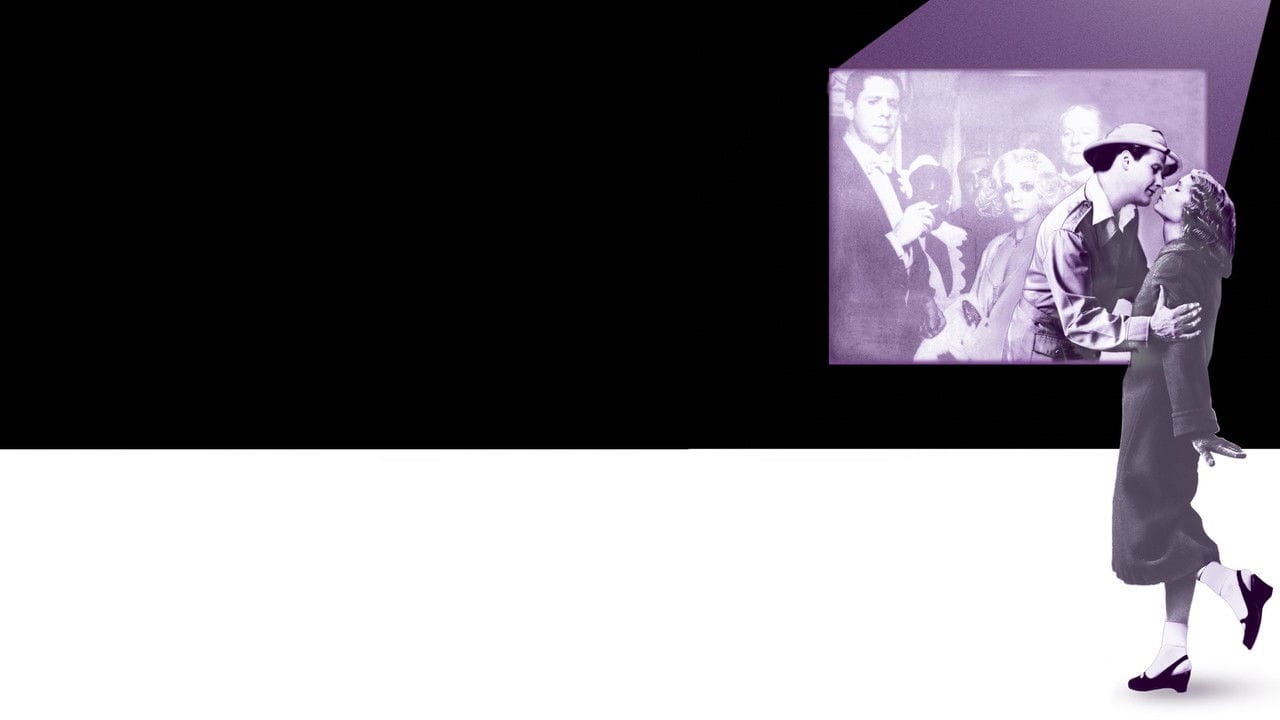
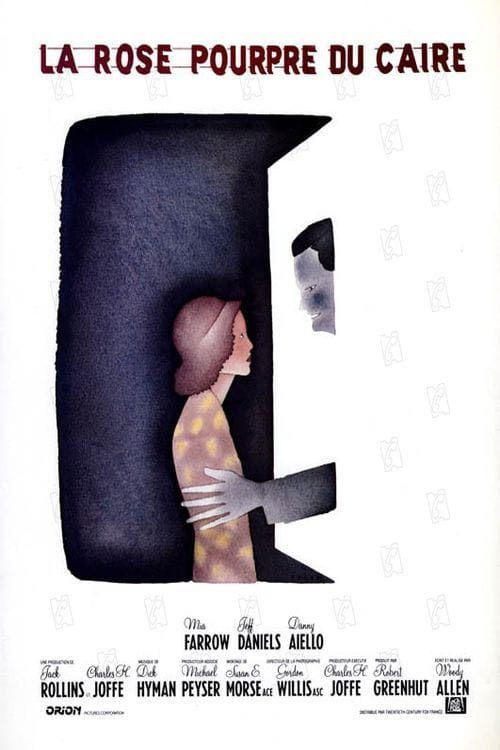
Cecilia mène une existence morne et tourmentée. Le cinéma est son seul refuge et sa seule évasion. Lors d'une projection, Tom Baxter, le héros d'un mélo la Rose pourpre du Caire sort de l'écran et l'enlève.
Acteurs principaux

Plus comme ça

Yoh! Bestie
2026·6.2
Miss cobaye
1992·6.2
Et si c'était vrai…
2005·7.0
Vous avez un mess@ge
1998·6.7
La Fille en rouge
1984·6.3
Second Chance
1983·5.9
Paris perdu
2025·6.7
Relationship Goals
2026·6.2
Tout le monde dit I love you
1996·6.5
Isn't It Romantic
2019·6.2
Minuit à Paris
2011·7.5
Le Songe d'une nuit d'été
1999·6.4
Communauté
7.5
Note Trakt
1.1K votes
10
122
9
98
8
343
7
320
6
155
5
30
4
16
3
9
2
7
1
10
2.8KSpectateurs
52.5KCollectés
3.9KListes
Avis de la communauté (7)
L
LNeroCritique★8/10Sep 12, 2023
"Dad was a real card; I never met him—he died before the movie started." This is probably the oldest film that I've seen that qualifies as both an Isekai and reverse Isekai. The characters and dialogue are just what you'd expect from a Woody Allen film under those circumstances. It's both hilarious and touching, often within the same scene. The initial fourth wall break was properly magical—I've legitimately never experienced anything else like it—at least not since I was a child—with the possible exception of Makoto Shinkai's _Kimi No Nawa_, or _The Girl Who Leapt Through Time_ (2006), both of which are animated. All three brought tears to my eyes. It's rare that a live action film can create the same kind of uncanny magic as the very best animated fantasy films. Part of that was making an exacting replica of the glamour films of the 1930s. They must have used the same vintage cameras and film stock to shoot those portions, because anything else wouldn't have been convincing, and the sets were likewise indistinguishable. The bit parts of the movie theater audience, and the secondaries of the characters within the film-within-the-film provide some of the biggest laughs. The Countess' scathing retorts and admonishments were all like hot lead. What starts out as a fairly grounded tale of the hardships of life during the great depression ends up being mixed with a surreal fantasy comedy. I'll just end with a nebulous warning that the ending might not be what you hope for or expect.
♥1
G
gawain3★10/10Feb 2, 2026
I probably know the inspiration behind that episode of Black Mirror.
S
soonertboneVIP★6/10Nov 14, 2025
Fun, sweet, perhaps too sentimental. Love the nods to classical film, but there was something throughout that just struck a false chord with me in some way. Perhaps it was the earnestness, or the ways I couldn't quite see the film within a film as a real artifact. Either way, always nice to see Jeff Daniels and this was nice enough.
D
drqshadowCritique★10/10Oct 7, 2025
Trapped in a loveless marriage and a dead-end job, a pensive young woman (Mia Farrow) finds escape in cinema. Though the Great Depression is raging, and her no-good husband isn’t working, she still squirrels away enough loose change to attend weekly shows at the theater across the street. There, ninety minutes at a time, she lives vicariously through all the eccentric types on-screen, marveling at the wonders that seem to never grace her own life. That is, until a supporting character in the latest release (Jeff Daniels) meets her gaze, recognizes their kinship, steps through the screen and sweeps her off her feet. That sudden, fantastical twist opens _The Purple Rose of Cairo_ to all sorts of interesting possibilities. Farrow and Daniels connect right away, sharing a sweet demeanor and warm, whimsical spirit that’s easy to fall for. Theirs is a puppy sort of love, charming and pure, and it’s a delight to see them together. Their connection, however, leaves conundrums in its wake. As abandoned cast mates fret and complain on the big screen, puzzling audiences while they listlessly await their prodigal son's return, the associated Hollywood brass worries over negative publicity. Things get especially tangled when the actor behind the role jets into town, trying his very best to convince his wayward counterpart to get back to work for the sake of career prospects. There are everyday quandaries, too, like the prop dollars in the fictional man’s wallet or his surprise at the lack of an orchestral swell and transitional fade-out when the kissing and petting gets heavy. Little notes that quickly remind us how surreal and unfamiliar this moment is, for everyone involved. Writer/director Woody Allen works this idea for plenty of humor - well-timed, thoughtful goofs - but also a heaping helping of heart. Allen’s punchlines don’t stretch or push; they arise organically, deliver their sting and retreat before overstaying their welcome. His metaphors, likewise, aren’t difficult to spot, but that doesn’t make them any less meaningful. We’re constantly reminded that cinematic realities are naïve and insincere, emotional manipulations that are always too good to be true, but we keep believing this one might just endure. That’s the beauty of a great film: a special kind of magic that can fill our heart and help us forget whatever was troubling us before the curtains split. Alas, all films have fixed running times, and in the end we’re always let back out into the world’s harsh light, squinting and stiff but maybe a little different inside. This is a beautiful film from any perspective. As a simple, far-out love story, it clicks and moves. As a silly, conceptual fit of fancy, it amuses and surprises. And, as an allegory for its own medium’s seductive lure, it hits the nail right on the head. I wasn't prepared to love this like I did. Allen anticipates, and surpasses, the themes that were a little more celebrated in 1988's _Cinema Paradiso_.
S
Sumit_Dalton_from_HollywoodAug 18, 2025
This movie made Dating apps prompts Real. "What if you get a chance to spend a day with Fictional character, whom it will be?". I wonder how was the experience of the audience first time after watching this film in theatre in 1985!!! I was waiting for the end, how this story actually ends. It ended with a real world. The experience of Cecilia was, Just like us. We come to theatre watch film, get engaged in that world, feel something about characters, & that world. & at the end comes back to the real world. Just like this film with peppy End Credit music.
Avis