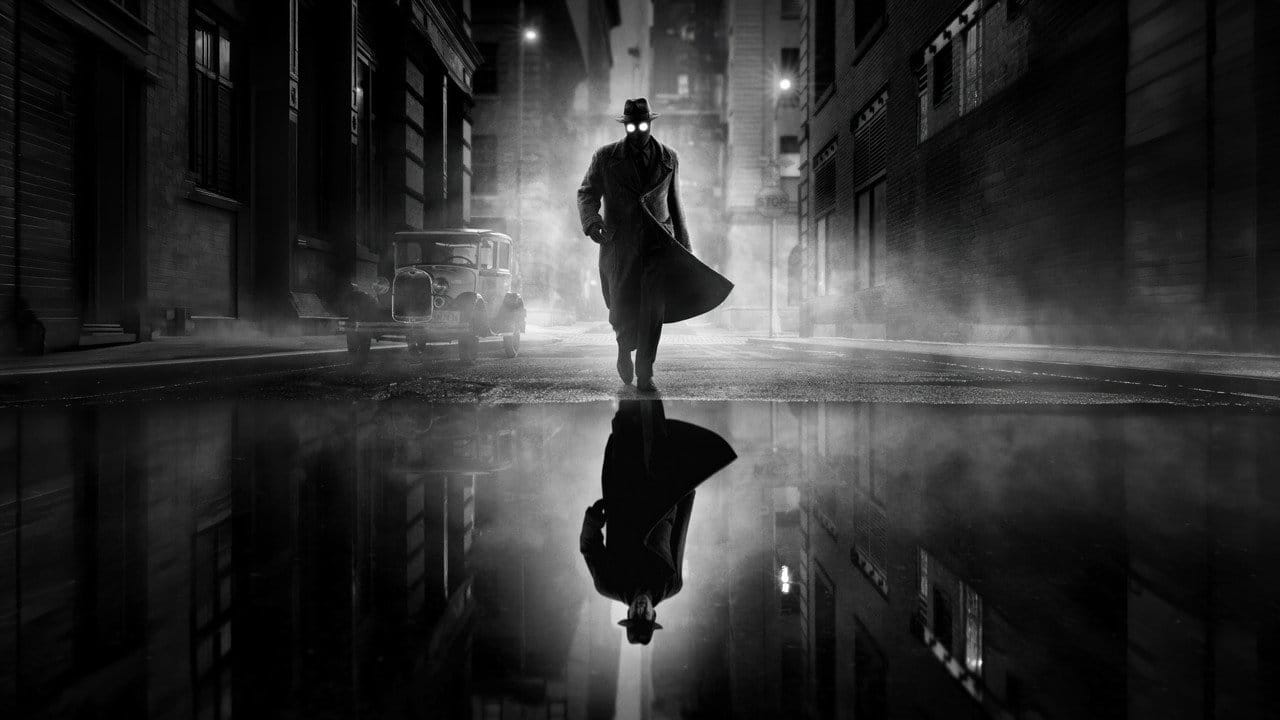
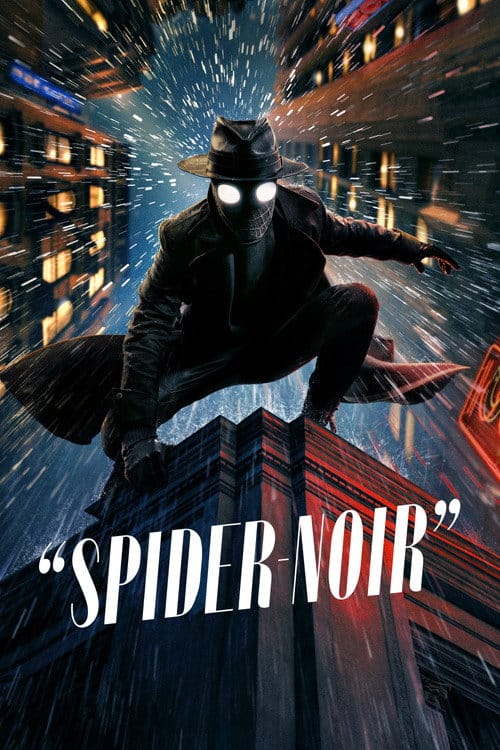
With no power comes no responsibility.
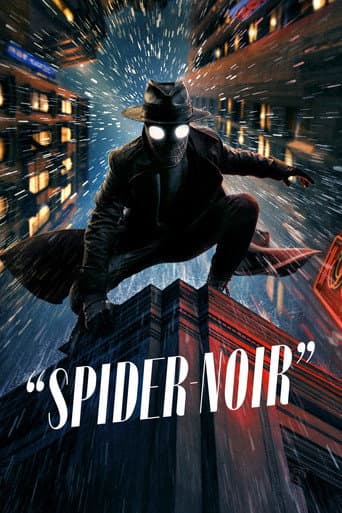
Ben Reilly, an aging and down on his luck private investigator in 1930s New York, is forced to grapple with his past life as the city's one and only superhero.
Oren Uziel
Avis de la communauté (12)
I like the color version better, anybody?
“In a city built on shadows, heroism doesn’t look clean it looks tired, bruised, and still willing to crawl back into the light.” Spider-Noir is a 9.5/10 for me. I loved this show. It feels like one of the most refreshing Spider-Man projects we’ve gotten because it doesn’t just try to copy the usual Spider-Man formula. It takes the myth of Spider-Man and drags it into smoke-filled rooms, dirty streets, old regrets, mob violence, moral compromise, and classic detective-story tragedy. It still feels like Spider-Man, but in a completely different language. What makes this version work so well is the noir angle. Spider-Man has always been about responsibility, guilt, loss, and trying to do the right thing even when life keeps punishing you for it. Noir naturally fits that. This isn’t the bright, wisecracking, colorful Spider-Man world we usually see. This is a world where every alley feels dangerous, every deal has a cost, and every character looks like they’re hiding something. That darker tone makes the “great power, great responsibility” idea feel heavier. Nicolas Cage as Ben Reilly/The Spider is a huge reason the show works. Cage brings that perfect mix of weirdness, sadness, intensity, and old-school movie-star energy. His version of The Spider doesn’t feel like a clean superhero. He feels like a man who has already lost too much, made mistakes, and tried to bury the hero part of himself because being a hero cost him something. That makes his return to the mask feel meaningful. It’s not just “Spider-Man suits up again.” It’s a wounded man deciding that he still has a responsibility to a city that keeps taking from him. I also love that the show makes him Ben Reilly instead of just doing another Peter Parker story. Spider-Man Noir in the comics is usually an alternate Peter Parker from the Marvel Noir universe, but the show using Ben Reilly gives it its own identity. It lets the series honor the Spider-Man myth without being trapped by every familiar Peter Parker expectation. That choice makes the show feel like its own corner of the Spider-Verse instead of just another retelling. The history of Spider-Man Noir is part of why this show feels so cool. The character was created as a darker, pulp-inspired version of Spider-Man, set during the Great Depression. Instead of a modern superhero world, his world is built around corruption, gangsters, poverty, newspapers, crooked power structures, and street-level justice. That background is perfect for Spider-Man because Peter’s story has always had a working-class heart. Spider-Man is not supposed to be a god. He’s supposed to be the guy in the neighborhood who gets hurt, gets back up, and keeps helping people anyway. The show understands that history while still doing its own thing. It doesn’t feel like cosplay noir. It actually uses the genre. The private investigator setup, the nightclub singer, the mob bosses, the journalists, the secretary, the city corruption, the shadowy past, the femme fatale energy, the black-and-white presentation all of that gives the show personality. It feels like a superhero series filtered through old detective movies, pulp comics, and Spider-Man tragedy. The black-and-white version especially feels like the best way to watch it. The whole show is built around contrast: light and shadow, guilt and redemption, hero and monster, past and present. Watching it in black and white makes the city feel more haunted. The shadows matter more. The smoke, suits, rain, streets, and faces all feel like part of the mood. The color version is cool too, but the black-and-white version feels like the show’s soul. The cast is great. Lamorne Morris as Robbie Robertson is one of my favorite parts because Robbie brings a grounded, human side to the story. In Spider-Man history, Robbie has always been connected to journalism and truth, and here that role fits perfectly. A noir story needs someone chasing the truth even when the truth is dangerous, and Robbie gives the show that moral pressure. He isn’t wearing a mask, but journalism in a corrupt city becomes its own kind of heroism. Li Jun Li as Cat Hardy is also excellent. She has that classic noir mystery to her — glamorous, guarded, complicated, and clearly more than what people assume she is. As a Black Cat-style character, Cat Hardy fits this world perfectly. Black Cat has always worked because she blurs the line between ally, thief, love interest, survivor, and wildcard. In this show, that kind of character belongs in the smoke and neon. She adds style, danger, and emotional complication. Karen Rodriguez as Janet is another strong piece of the show because she brings loyalty, humor, and sharpness to Ben’s world. Characters like Janet matter because noir heroes can become too isolated, and she gives Ben someone who can challenge him, call him out, and keep him connected to real life. She helps make the private investigator side of the show feel lived-in instead of just aesthetic. Brendan Gleeson as Silvermane is a great villain presence. Silvermane works so well in noir because he represents old power — crime, greed, control, and the kind of corruption that doesn’t need to hide because it has already bought protection. Gleeson gives him weight. He doesn’t feel like a random villain of the week. He feels like part of the city’s rot. That’s important because the best noir stories are not just about one bad guy. They’re about a system where evil is built into the walls. The other Spider-Man-related characters are fun too because the show reimagines them through this noir lens. Flint Marko/Sandman makes sense in this world because he’s already a tragic, street-level kind of villain in a lot of Spider-Man stories. Tombstone fits perfectly because he has that gangster/crime-boss energy. Characters like these feel natural in a 1930s crime world. The show doesn’t just throw names at the audience for fan service. It reshapes them so they belong to this setting. That’s one of the best things about Spider-Noir: it understands adaptation. It doesn’t just ask, “How do we bring Spider-Man characters into live action?” It asks, “What would these characters look like if they were born from noir?” That’s why the world feels cohesive. Everybody feels like they belong in the same dirty, dangerous, shadow-covered city. The action is really good too. It’s not just superhero action for the sake of spectacle. The fights feel rougher, more physical, and more desperate. The Spider doesn’t feel untouchable. He feels older, tired, and beatable, which makes the action more intense. Every punch, fall, chase, and web-swing has more weight because this version of the character doesn’t feel like he can just bounce back forever. He’s heroic, but he’s not invincible. The directing and atmosphere are some of the strongest parts. The show has style everywhere: the lighting, the music, the clothes, the offices, the clubs, the streets, the smoke, the shadows, the slow reveals. But it doesn’t feel empty. The style supports the themes. It makes the city feel like a place where justice has to fight its way through darkness. Theme-wise, the show is about guilt, regret, second chances, corruption, and whether someone can still be a hero after they’ve already failed. That’s what makes the story hit harder. Ben isn’t a young hero learning the lesson for the first time. He’s someone carrying the scars of what heroism cost him. That gives the show a more mature emotional core. It’s not about becoming Spider-Man. It’s about whether he can live with being The Spider again. The show also works as a story about a broken city. New York isn’t just a background here. It feels like a character. The city is corrupt, beautiful, dangerous, and wounded. It has clubs and newspapers and alleys and crime families and people trying to survive in a world that doesn’t protect them. That’s perfect for Spider-Man because Spider-Man stories are always better when the city feels alive. The Spider is not saving the universe here he’s fighting for the soul of his city. I also love how the show connects superhero mythology to noir morality. In a normal superhero story, the line between good and evil is often clearer. In noir, everybody is compromised. People lie for good reasons. Good people make bad choices. Villains have charm. Allies hide secrets. The hero might be doing the right thing, but he’s still haunted by the wrong things he couldn’t stop. That makes this version of Spider-Man feel fresh. And that’s what makes Spider-Noir so impactful to me. It doesn’t just use Spider-Man as a brand. It finds a different emotional angle on the character. It asks what Spider-Man looks like when the jokes are gone, when the city is darker, when the hero is older, and when responsibility feels less like an inspiring motto and more like a curse you keep accepting because nobody else will. The show is also a strong reminder of why Spider-Man works in so many versions. Whether it’s Peter Parker, Miles Morales, Gwen Stacy, Miguel O’Hara, or Ben Reilly, the core idea always survives: someone gets power, suffers loss, and has to decide what kind of person they’re going to be after that. Spider-Noir proves that the Spider-Man myth can work as animation, live action, teen drama, multiverse epic, street-level crime story, and noir detective tragedy. For me, this is one of the best Spider-Man spinoffs because it actually has an identity. It’s not trying to be the MCU. It’s not trying to be the animated Spider-Verse movies. It’s not trying to be a normal superhero show. It’s doing its own thing, and that’s why I loved it. It feels pulpy, stylish, emotional, strange, and different. Overall, Spider-Noir is a 9.5/10. Nicolas Cage is fantastic, the cast is strong, the noir style is beautiful, the action is good, the character work hits, and the way it reimagines Spider-Man’s world feels fresh. It respects the history of Spider-Man Noir while giving the character a new live-action identity. This is the kind of superhero project I want more of bold, stylish, weird, character-driven, and willing to take the mythology somewhere different. It’s not just Spider-Man in black and white. It’s Spider-Man as guilt, memory, corruption, and redemption, walking through a city where every shadow looks like it might be hiding the truth.
Not usually into superhero shows all that much. I watch the movies but I don’t know the lore or read the comics. But man this show is amazing. It’s like Dick Tracey meets Spider-Man set in a fantastic 1930’s time period. It’s a must watch
not bad. There's never been an actor like Nick Cage and we're lucky to have him.
I'm sorry to say it, but Tobey Maguire has finally been dethroned. Ladies and gentlemen, we have a new best Spider-Man. Nicolas Cage is an actor who's had plenty of ups and downs throughout his career, but this is unquestionably one of his ups. He nails every scene that is important, bringing exactly the right energy and mood to hype up and elevate the series as a whole.