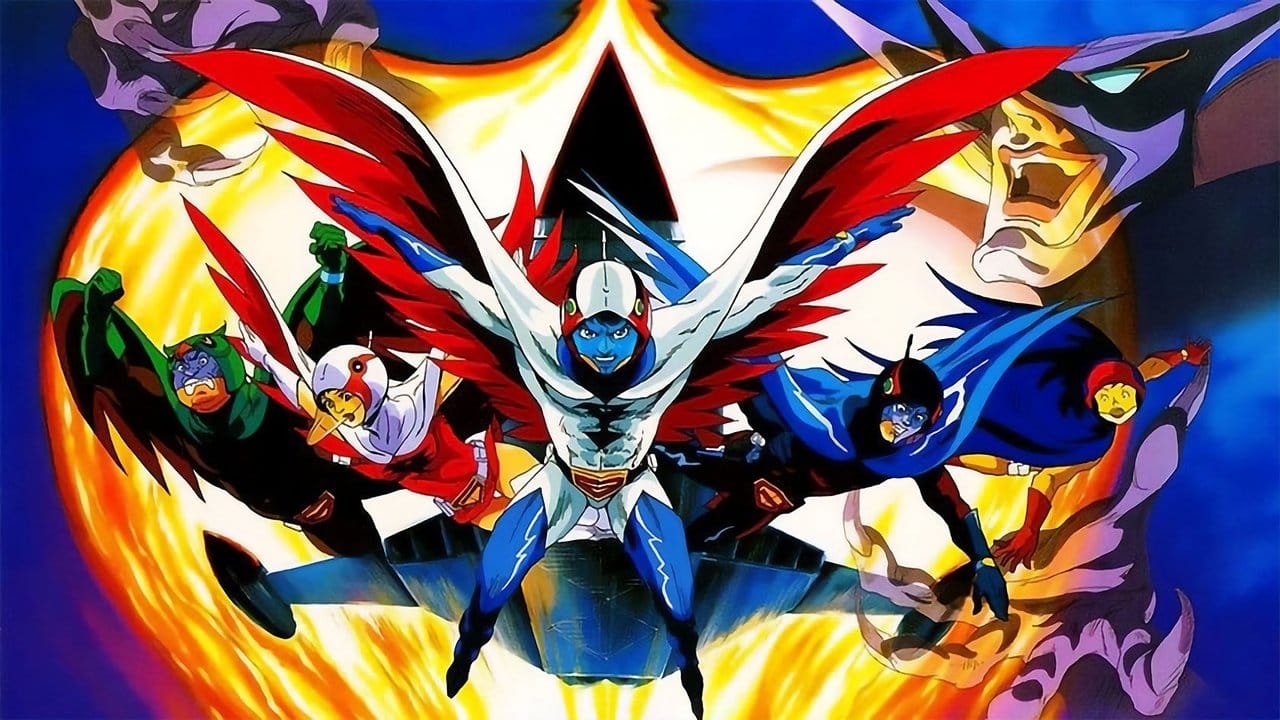
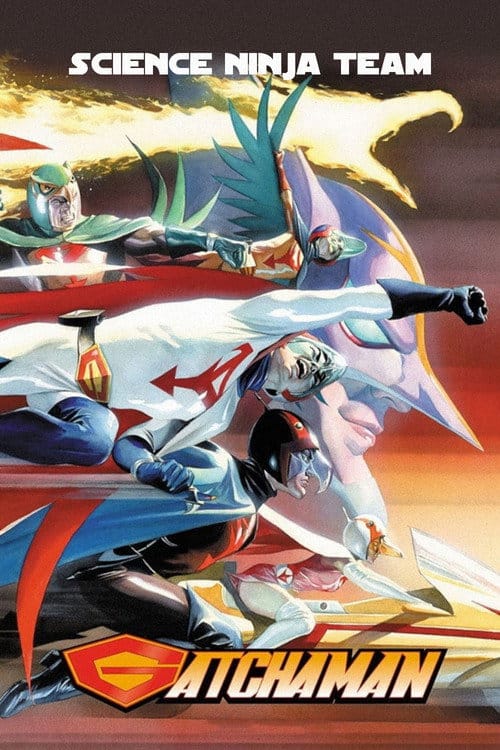
Science Ninja Team Gatchaman is a five-member superhero team that is composed of the main characters in several anime created by Tatsuo Yoshida and originally produced in Japan by Tatsunoko Productions and later adapted into several English-language versions. It is also known by the abbreviated name Gatchaman. The original series, produced in 1972, was eponymously named Kagaku Ninja Tai Gatchaman and is most well known to the English-speaking world as the adaptation titled Battle of the Planets. The series received additional English adaptations with G-Force: Guardians of Space and ADV Films' uncut 2005 release. Tatsunoko also uses the official translation Science Commando Gatchaman, as shown in numerous related products and media. Because the English-language versions are notoriously inconsistent not only with one another but also with the original Japanese series, viewers most familiar with the English versions often experience some confusion upon re-examining the series after a long hiatus. The original 1972 Kagaku Ninja Tai Gatchaman series was followed by an animated film, two sequel series, Gatchaman II, and Gatchaman Fighter. In the 90's, episodes from both series were dubbed into English by Saban as Eagle Riders. In 1994, the original series was remade as a condensed OVA series.


Katsuji Mori
Ken Washio, the Eagle (voice)

Isao Sasaki
Joe Asakura, the Condor (voice)

Kazuko Sugiyama
Jun, the Swan (voice)

Yoku Shioya
Jinpei, the Swallow (voice)
Shingo Kanemoto
Ryu Nakanishi, the Horned Owl (voice)

Nobuo Tanaka
Leader X (voice)
Hisayoshi Yoshizawa
Red Impulse (voice)

Tōru Ōhira
Dr. Kouzaburou Nambu (voice)

Aiko Konoshima
Female Berg Katze (voice)

Masako Nozawa
Seiji Nakanishi (voice)
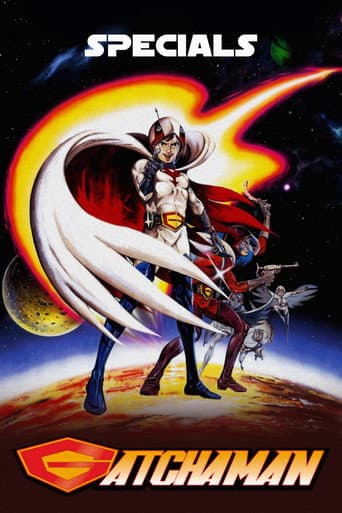
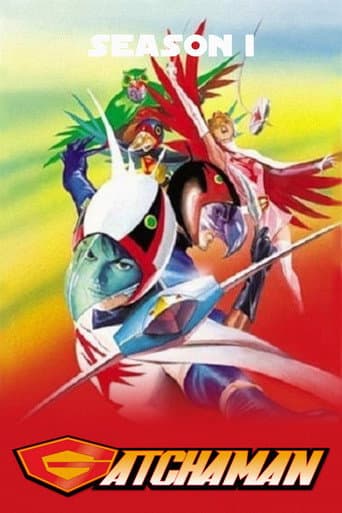
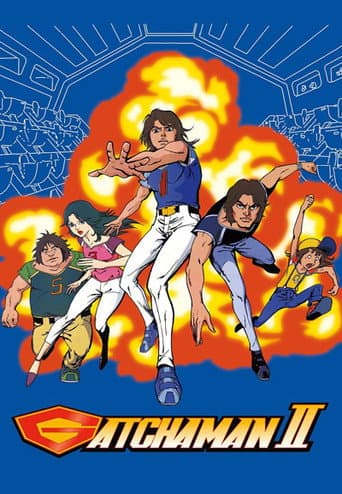
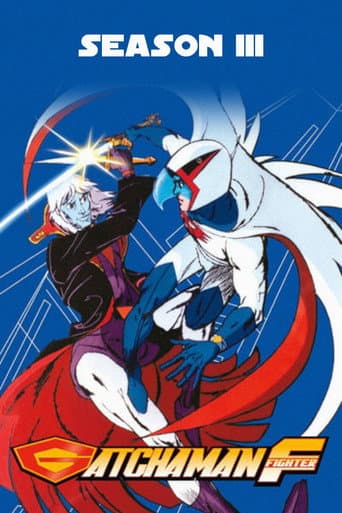
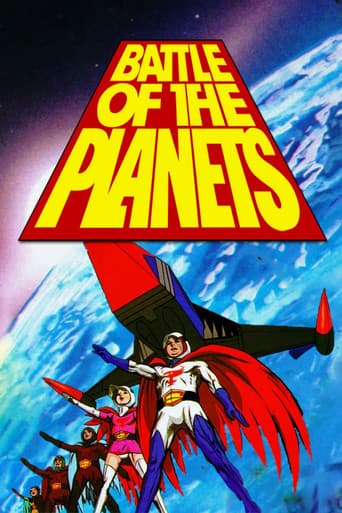
Battle of the Planets
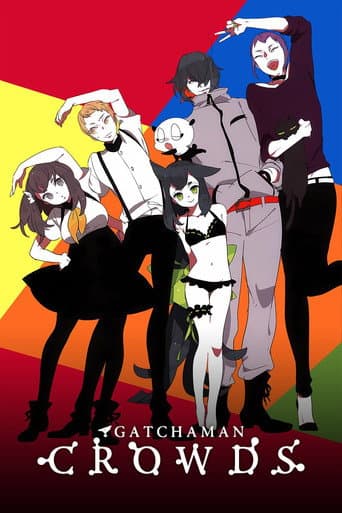
Gatchaman Crowds
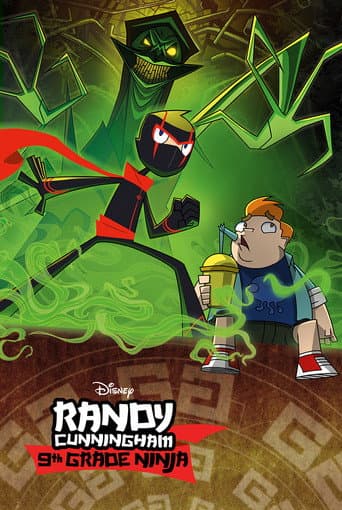
Randy Cunningham: 9th Grade Ninja
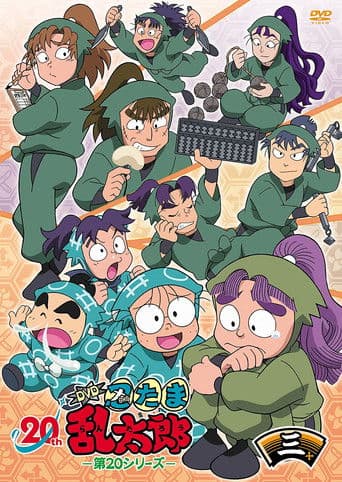
Ninja Boy Rantaro
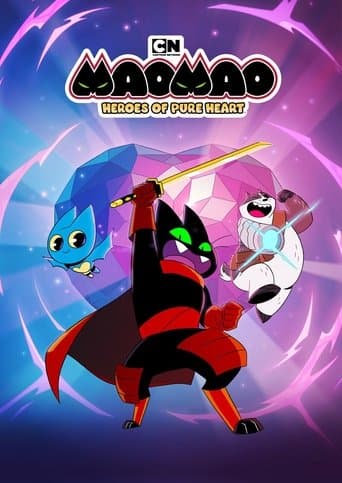
Mao Mao: Heroes of Pure Heart
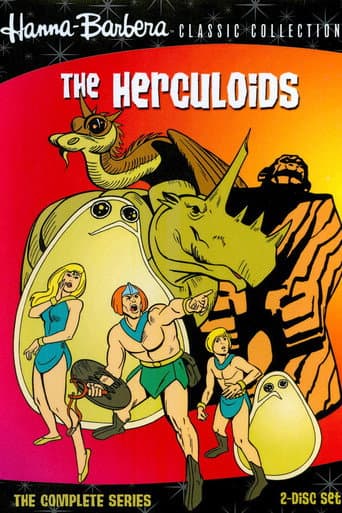
The Herculoids

Vividred Operation
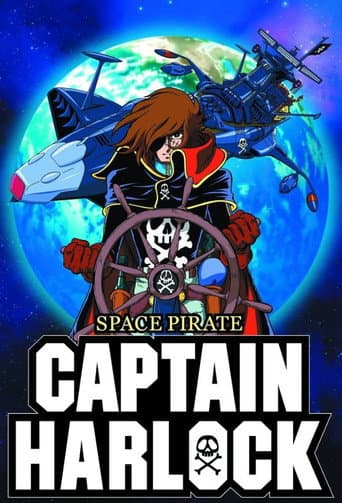
Space Pirate Captain Harlock
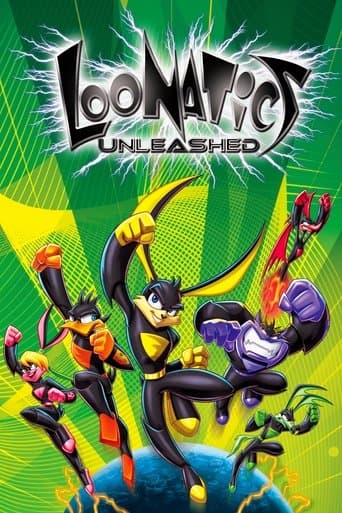
Loonatics Unleashed
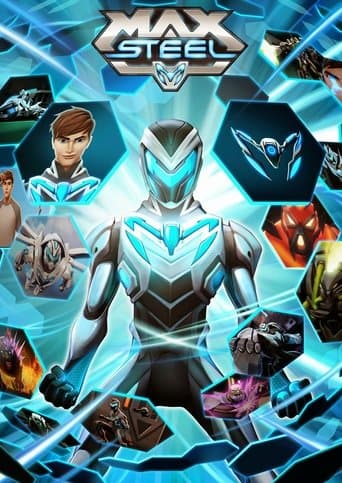
Max Steel
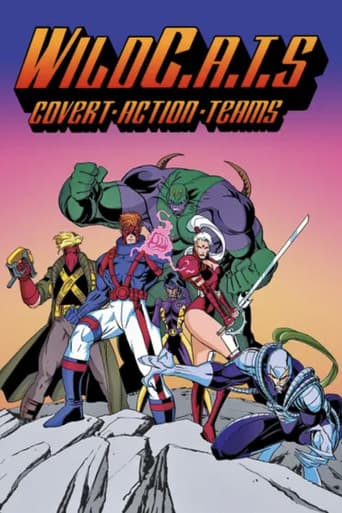
WildC.A.T.S: Covert Action Teams
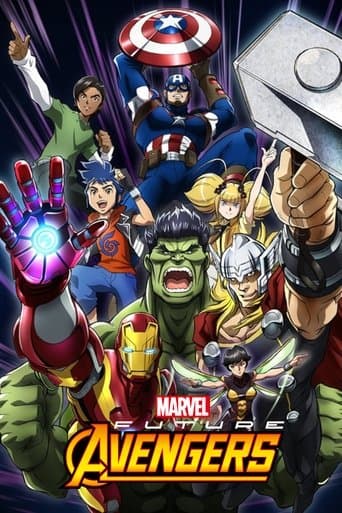
Marvel's Future Avengers
Avis de la communauté (1)
What more do you want from your anime: groovy, Partridge Family-esque teens who magically/scientifically transform into avian-themed heros, pilot awesome mechs that combine into a kick-ass super vehicle & battle gender-bending, mutant alien-hybrid hermaphrodite eco-terrorists bent on world domination. Not only is Gatchaman good, weird fun, it also offers a chance to peak into Japanese perceptions of US culture as well as a window into Japanese cultural mores.