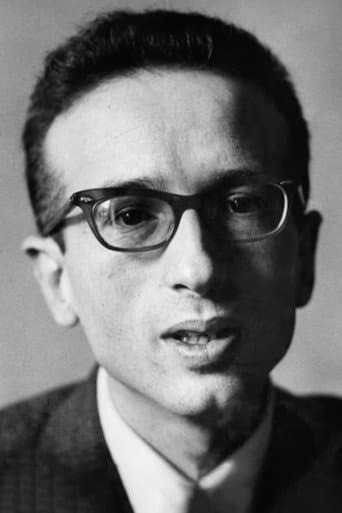
Pierre Vidal-Naquet
Pierre Vidal-Naquet, born July 23, 1930 in Paris's 7th arrondissement and died July 29, 2006 in Nice, is a French historian. A specialist in the history of ancient Greece, he also played a role in various areas of French intellectual and political life. In addition to ancient Greece, his preferred field, he is interested in contemporary topics such as the Algerian War and the Holocaust.
He came from a Jewish family from Carpentras. The Vidal-Naquets enjoyed upward social mobility during the 19th century, settling in Montpellier, then Marseille, and finally Paris, in the Faubourg Saint-Germain. On May 15, 1944, his parents, Lucien and Marguerite, were arrested by the Gestapo and taken to Drancy, then on Convoy No. 75 on May 30, 1944, and deported to Auschwitz, where they both died shortly after. However, the three children escaped arrest and were initially housed by teachers. It wasn't until the start of the 1945 school year that Pierre Vidal-Naquet became certain they would not return.
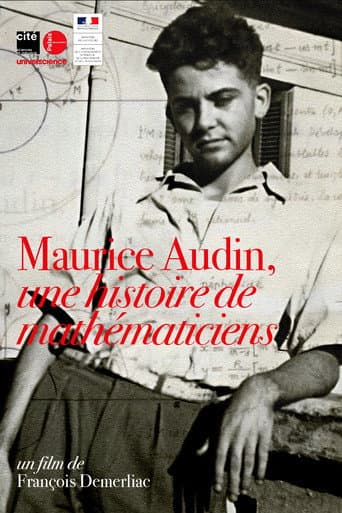
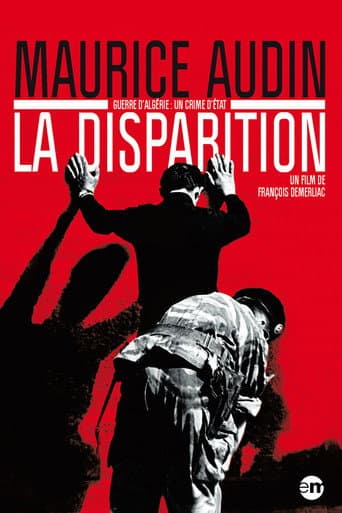
An intellectual committed to the defense of human rights, he campaigned early on against colonialism, particularly against the use of torture during the Algerian War. In April 1957, he published in the journal Esprit an article by his friend Robert Bonnaud about the atrocities committed by the French army, which he had witnessed as a reservist recalled in 1956. Beginning in late 1957, he worked as a historian on the disappearance of Maurice Audin, a mathematician and assistant professor at the University of Algiers, arrested by paratroopers during the Battle of Algiers and then "disappeared." While the official theory claimed that Maurice Audin escaped, Pierre Vidal-Naquet, along with the other members of the Audin Committee, defended the theory that he died under torture. He turned this into a book, The Audin Affair, published in 1958 and reissued, with extensive additions, years later. In 1960, with Robert Barrat, Paul Thibaud, and Jacques Panijel, he founded the clandestine newspaper Vérité-Liberté, replacing Témoignages et Documents, which was responsible for publishing texts (articles or books) that had led to a seizure. For signing the "Manifesto of the 121" in 1960, a petition by intellectuals on the right to insubordination for conscripts sent to Algeria, the Ministry of National Education suspended him from his position for a year. In 1962, he published La Raison d'État, a book denouncing the use of torture.