Loading...
7.5·2022·128 min·日本語·Directed by Kazuya Shiraishi
MysteryDramaCrime
Synopsis
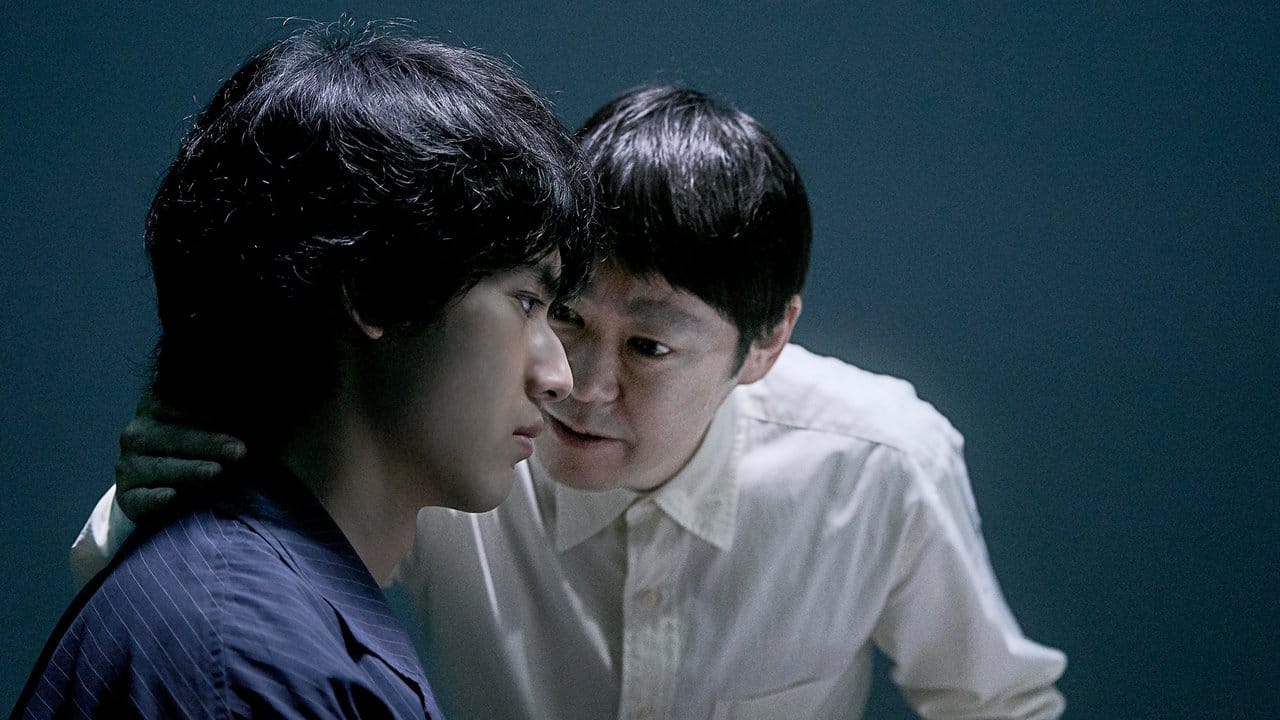
Masaya is a university student, but he attends a school that's not his ideal school. His days are generally gloomy. One day, he receives a letter from serial killer Haimura. He was convicted for nine murders and received the death penalty. Back when Haimura was committing his murders, he ran a bakery store. At that time, Masaya was a middle-school student and a customer at his bakery store. According to the letter, Haimura confesses to having committed eight murders, but he insists that he did not commit the last murder. Masaya begins to investigate the last murder case involving Haimura.
Main Cast








More Like This




Communauté
6.4
Note Trakt
39 votes
10
2
9
1
8
6
7
11
6
11
5
5
4
3
2
1
1
2
127Spectateurs
1.1KCollectés
91Listes
Avis de la communauté (2)
M
manicureVIPCritique★7/10Feb 3, 2024
A serial killer on death row asks a misfit university student to find the real assassin behind one of the murders he’s been accused of. Unlike the usual plot where an innocent person has been wrongfully accused of committing a crime, this time we have a man who already confessed the rest of the murders, and that does nothing to hide his nature. However, he insists that there might be a second killer on the loose, and that only someone who can understand his mind will be able to figure it out. The film is composed of alternating investigative phases, conversations with the killer in the style of "The Silence of the Lambs," and fragments of the protagonist's daily life in a sort of coming-of-age film style. Despite the plot initially falling victim to continuous clichés and conventional tropes, towards the middle the film begins to reveal its true intentions, surprising the viewer with continuous twists and even revelations that partially make up for things that felt corny in the first half. More than the murder mystery, it’s the subtle way in which the film tries to let you enter the mind of the killer that fascinates. The result is a flawed but intriguing film, enhanced by an inspired direction and several visually appealing ideas. The screenplay might struggle to live up to the plot's ambitions, but at least it manages to shuffle the cards in an interesting way. The only real tragedy is the look and acting of the long-haired guy.
M
miguelreina★7/10Feb 19, 2023
[Filmin] In the list of representations of evil that cinema has done, this is perhaps one of the complex ones, adopting different points of view as the story unfolds, playing with the viewer and their expectations while presenting some of the most disturbing scenes scenes of child torture (which raises a questionable perspective on Japanese cinema's obsessive dedication to child suffering, on the other hand). But above all it is revealed as a sinister and well-performed chessboard practiced by Yamato and Masaya, leading to an unpredictable ending.
Reviews