Loading...
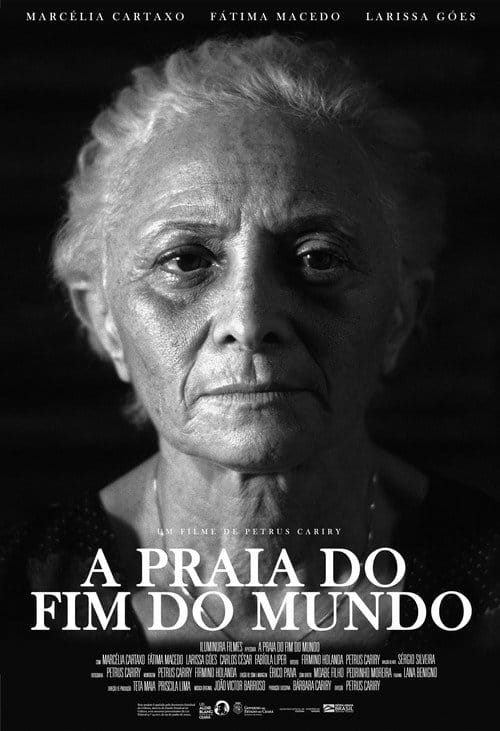
10.0·2021·88 min·Português·Directed by Petrus Cariry
DramaFantasyMysteryHorror
Synopsis
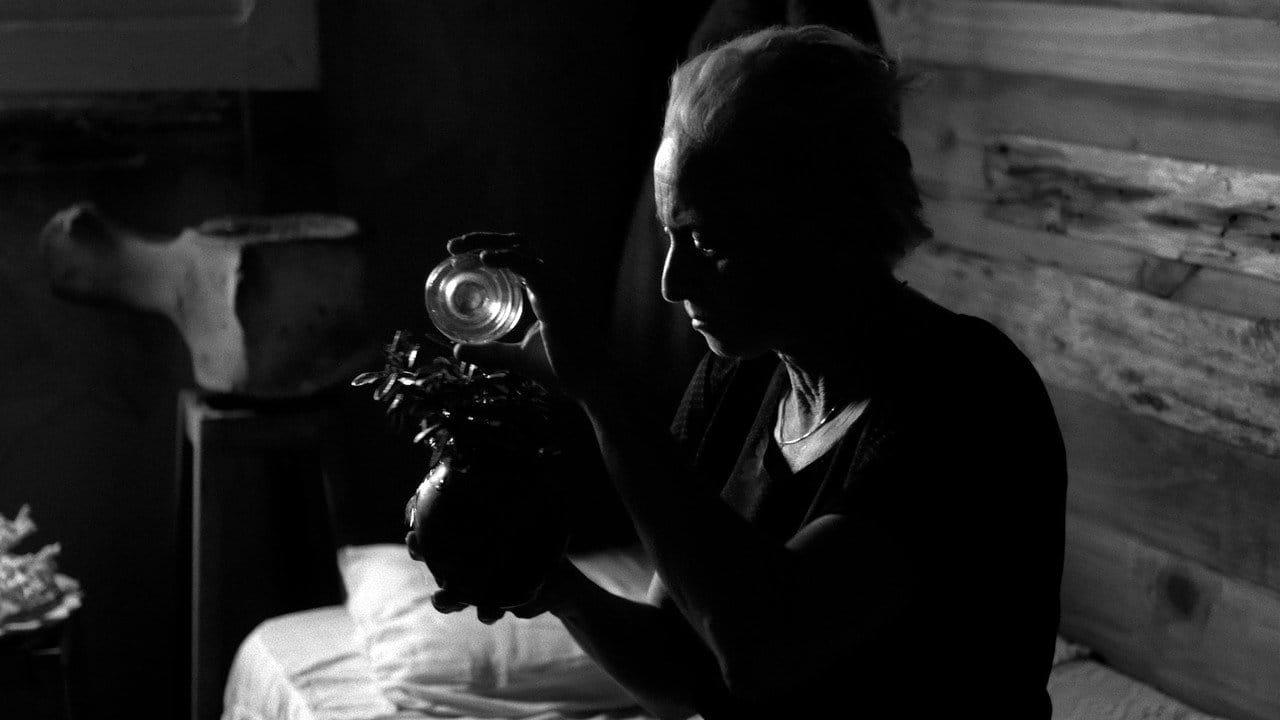
Young Alice lives with her mother Helena in Ciarema, in a house facing the sea. The residence suffers from the advance of the sea levels. The daughter, an environmentalist, plans to move elsewhere, but the mother wants to stay in town. They need to find a solution together.
Main Cast




More Like This



Communauté
5.7
Note Trakt
7 votes
10
9
8
1
7
1
6
2
5
1
4
2
3
2
1
10Spectateurs
3Collectés
32Listes
Avis de la communauté (1)
G
gustvCritiqueSep 7, 2025
A Praia do Fim do Mundo is a film that turns the sea into a constant and menacing presence. The sound of the waves offers no relief, only warning: an unrelenting roar that dominates every scene, creating an atmosphere of open-air claustrophobia. The coast is not a refuge but a sentence, a living force that advances, erodes, and suffocates. The story unfolds in a seaside town once promised to become a tourist paradise, the “new Cancún,” but now lies in ruins. The waters have swallowed the streets, destroyed homes, and erased dreams. The few residents who remain are the ghosts of a failed project, abandoned by the State and trapped in a place that no longer exists. In this desolate setting, a mother and daughter embody two contrasting relationships with the past. The mother, consumed by grief over her husband’s mysterious disappearance at sea, is rooted in memories and clings to a property that has become a ruin. The daughter, on the other hand, longs to leave, unbound by emotional attachments. The film’s strength lies in this tension: two women who do not realize at first how much they need one another to rebuild meaning and face the truth. Marcélia Cartaxo delivers a masterful performance, using silence, expression, and sheer presence to convey a depth that feels almost abyssal. Her character is like the sea itself, laden with mystery, strength, and sorrow. A Praia do Fim do Mundo is a poetic and somber portrait of nature’s devastating power and human fragility in its wake. It is a work that blends social realism with mythic symbolism, evoking the inevitability of fate, as in the story of Jonah, in a setting that shifts between beauty and terror.
Reviews