Loading...
7.7·1985·154 min·English·Directed by Steven Spielberg
It's about life. It's about love. It's about us.
DramaHistory
Synopsis
An epic tale spanning forty years in the life of Celie, an African-American woman living in the South who survives incredible abuse and bigotry. After Celie's abusive father marries her off to the equally debasing 'Mister' Albert Johnson, things go from bad to worse, leaving Celie to find companionship anywhere she can. She perseveres, holding on to her dream of one day being reunited with her sister in Africa.
Main Cast
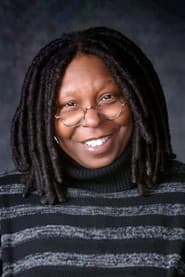
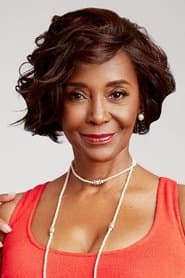
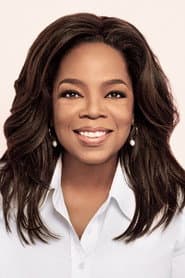

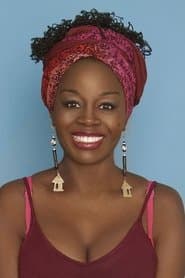


More Like This
Communauté
8.0
Note Trakt
3.2K votes
10
858
9
338
8
882
7
625
6
288
5
58
4
68
3
28
2
30
1
31
11.1KSpectateurs
135.1KCollectés
10.8KListes
Avis de la communauté (11)
T
tvjacksonVIPCritique★2/10Jun 6, 2023
This movie is old and famous, so it's too late to say bad things about it, but... It's long and dreary. It stresses how a female is at the mercy of constant rape by a man, even her dad. There is a line delivered by Oprah like, "Ain't no woman safe in a world where there is penises!" The only comfort the main character, Celie, gets here comes from women. There is the love of her sister and the sexual touches of the lady who sings the song "Sister." Women are good here and men are bad. Celie is too shy to speak up for herself or take any action that would improve her life until the last third of the movie, where it comes as a surprise. She is at the dinner table and suddenly starts giving a speech about how much she hates her husband. Now, after all these long years and this very long movie, she is ready to make a change. It's like it was planned to happen just in time for the movie to end on something positive. We see from two different female characters that there are opportunities for women to leave a bad situation for something better. The lady who sings "Sister" leaves her husband and goes on to have an entertainment career and enough success to come back driving a fancy car. Why she comes back, other than to show off, is not clear. Oprah's character also leaves her husband but later gets too uppity, and society moves to put her in her place. Unfortunately, for Celie, her path forward is really not that positive. She's a grown woman but goes into a field to play patty-cake with her long-lost sister, like they did when they were children. That is happiness for her. Now it's time to say some crazy stuff... This movie needs a sequel. One where Celie is a female avenger like Lorena Bobbitt. Going around punishing bad men and chopping off their parts! Total Bad Ass! She has money now and doesn't need anyone's permission to do anything she wants. "The Color Purple" can be a symbol of the pain she brings to all the men who she takes out her female revenge on! Perhaps it's better if she just stays at home and keeps playing patty-cake, but I can see Whoopi and Oprah's characters going on a crazy man wounding spree that is totally justified.... All the women in the town can join in. "AINT NO MAN'S PENIS SAFE IN A WORLD WHERE THERE IS A VAGINA OUT FOR VENGEANCE!" (Maybe Octavia Spencer's character in "Ma" is really Celie. This movie gets better when thought of as a hero origin story!!)
♥2
Z
zhangchaodao★9/10Feb 25, 2014
Alice Walker's masterpiece, looking forward to watching Beloved
♥2
J
JC230VIPCritique★2/10Jan 7, 2024
This movie should not exist. I can’t watch a single frame of it without know Spielberg was unequivocally the wrong man for this material. I’ve never hated a score this much, and it fuses with the schmaltzy directing and framing to create something offensively palpable. Spielberg admitted as much; this is his version of the story he wanted to make to appeal to his tastes and reach that crowd pleasing PG-13 audience and so everything is sanded down to a nub. From the queerness to the realness this material should carry, they’ve been washed away in the name of- honestly thankfully not rewarded- Oscar glory. I almost gave this two stars for the cast alone. They showed up, from Goldberg to Winfrey to Avery to Glover. They put their heart and soul in their performances and it is where the film finds most of its quality. And Spielberg obviously has talent. I’m not going to claim he’s a bad director and that there are not fleetingly brief moments that stir something. But it doesn’t stop the film from being painful to sit through from the childbirth scene on and that godawful score and sentimental fairy tale cinematography and wacky family fare gags and falls drowning out anything real. It takes a personal specific work seminal to black audiences- black lesbians in particular- and tells them this isn’t for them. It’s for everyone. Well, Spielberg can keep it.
♥1
S
Spiritualized Kaos★8/10Oct 14, 2022
Steven Spielberg, in a futile search for prestige and Oscars.
♥1
B
BraylonMitch07★7/10Jul 1, 2021
Whoopi Goldberg gives an amazing performance. That’s it that’s the review.
♥1
Reviews