Loading...
6.0·2019·85 min·lt·Directed by Audrius Mickevičius
Documentary
Synopsis
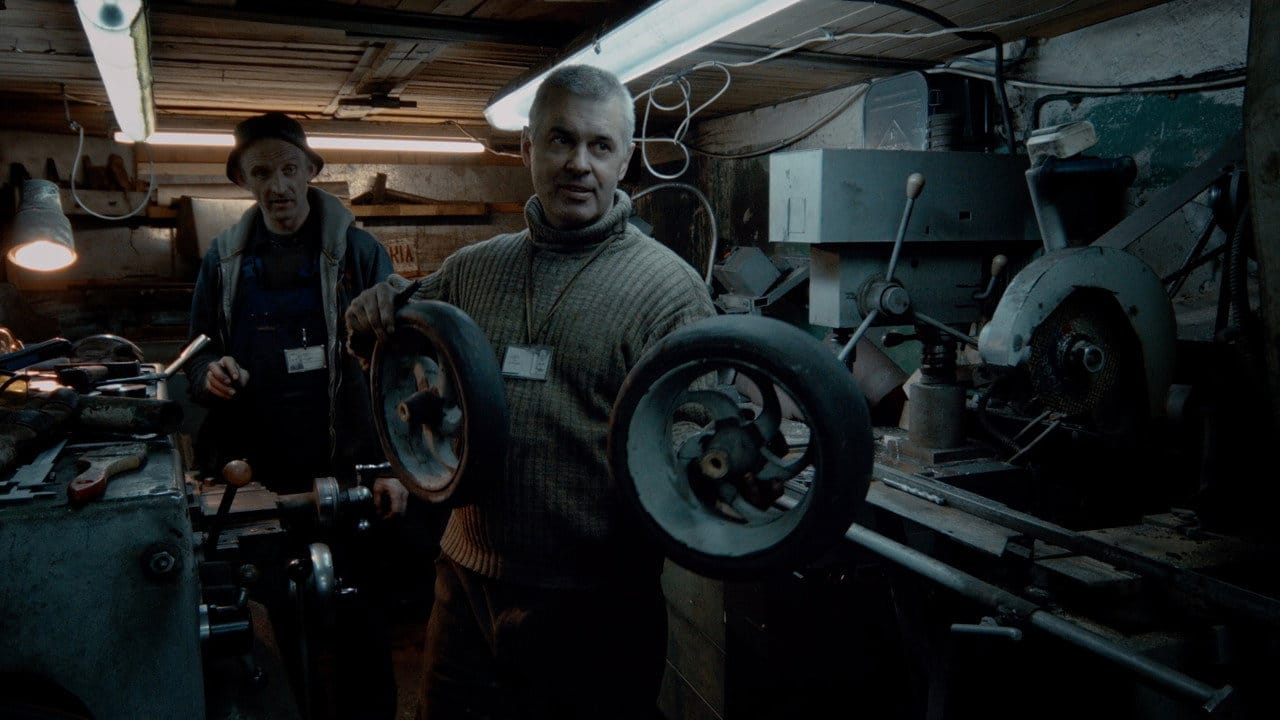
Audrius Mickevičius puts the horribly disfigured face of his murdered brother at the start of his film. It is almost a meditation about the question whether a final act like murder can be atoned for in a temporal order – and whether the passing of time allows the victim’s family to forgive. Mickevičius uses the example of two lifers (one of them gets married and wants to have children, the other pours his whole passion into an idea of craftsmanship) and a philosopher with prison experience to make that strange state of suspended life comprehensible.
Main Cast
More Like This

Sherman's March
1986·6.5
The Cheshire Murders
2013·6.5
The Menendez Brothers
2024·7.3
Public Speaking
2011·7.0
Directed by John Ford
1971·7.0

The Class of ‘92
2013·7.1

As I Was Moving Ahead, Occasionally I Saw Brief Glimpses of Beauty
2000·7.7
In the Realms of the Unreal
2004·7.2
McQueen
2018·7.5

Lionel Messi: Destiny
2023·7.8

Dawg Fight
2015·6.5
I Am Heath Ledger
2017·7.4
Communauté
8.3
Note Trakt
3 votes
10
9
8
1
7
1
6
5
4
3
2
1
5Spectateurs
1Collectés
26Listes
Avis de la communauté (1)
M
miguelreina★7/10Apr 16, 2021
[LasPalmasFF] Born from the rage produced after the release of the murderer of his brother, the director tries to find the "way of forgiveness" through two prisoners sentenced to life imprisonment, specially after he was diagnosed with terminal cancer. The film explores a possible transformation that turns these prisoners into different people. The director, also condemned for a fatal disease, seems to identify with them.
Reviews