Loading...
7.3·2019·124 min·lv·Directed by Dzintars Dreibergs
WarDramaHistory
Synopsis
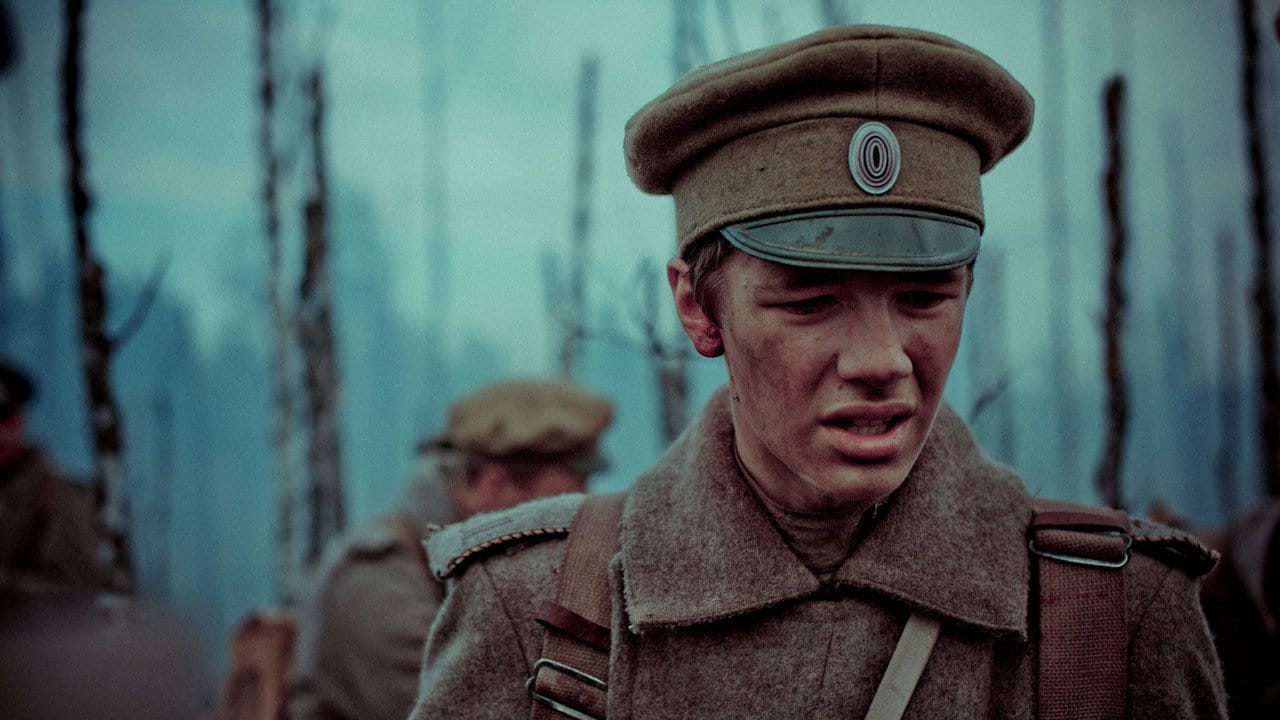
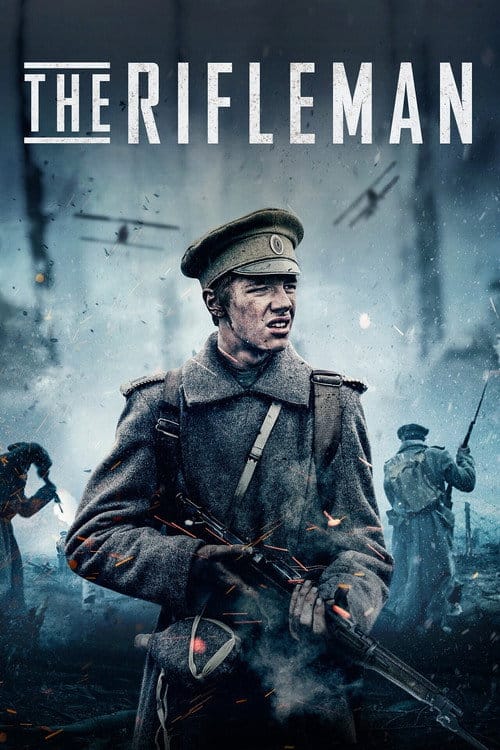
The love story of sixteen-year-old Arturs is interrupted by the First World War. After losing his mother and his home, he finds some consolation in joining the army, because this is the first time national battalions are allowed in the Russian Empire. But war is nothing like Arturs imagined – no glory, no fairness. It is brutal and painful. Arturs is now completely alone as war takes the lives of his father and brother. Also, no progress is made in the promised quick resolution of the war and timely return home. Within the notion that only he alone cares about returning home and that his homeland is just a playground for other nations, Arturs finds strength for the final battle and eventually returns home to start everything from scratch, just like his newly born country.
Main Cast









More Like This






Communauté
7.0
Note Trakt
217 votes
10
18
9
10
8
41
7
82
6
44
5
12
4
5
3
2
2
2
1
1
757Spectateurs
12.5KCollectés
577Listes
Avis de la communauté (2)
M
miguelreina★5/10Feb 11, 2021
It has the virtue of questioning nationalisms and loyalties in the context of the WWI, building a story that does not pretend to be pacifist, but that reflects on the meaning of war. And it certainly achieves a good visual result on a low budget, hiding the enemy in mists and shadows. However, it lacks a good balance between the battlefield and the intimate story. Everything is as correct as it is unexciting.
♥2
C
citizenelfVIPCritique★7/10Apr 30, 2023
Trench warfare is never the most engaging type of combat to watch, but Dvēseļu putenis does its best to work with the hand that historical accuracy tends to deal with this kind of story. Through clever cinematography, the focus is taken entirely off of tactics and warfare and instead given to the uncomfortableness of war. The cold, wet, fear, hunger, and isolation of individual moments are brought to the forefront, creating a bleak portrayal that, in some cases, is as breathtaking as it is harrowingly accurate, all the while accompanied by a gorgeous sweeping soundtrack. However, where the film struggles to find its feet and stay genuine is its more intimate moments, where some amateurish acting and clumsy direction choices fall short of the rest of the production. Additionally, as an important film regarding Latvian history, I was pretty disappointed to see the latter stages of the film almost entirely gloss over the actual revolution, instead rushing through the initial stages before cutting to the outcome with a time skip. There was too much focus on Artur's personal & familial motivations and not his nationalistic ones. Regardless, the one intimate moment the film manages to nail is the most important one - the climax. It's a powerful & poignant ending, and one that I feel will genuinely leave me with a lasting impression.
♥1
Reviews