Loading...
7.2·2010·102 min·English·Directed by Thaddeus D. Matula
A dynasty lost in sudden death.
Documentary
Synopsis
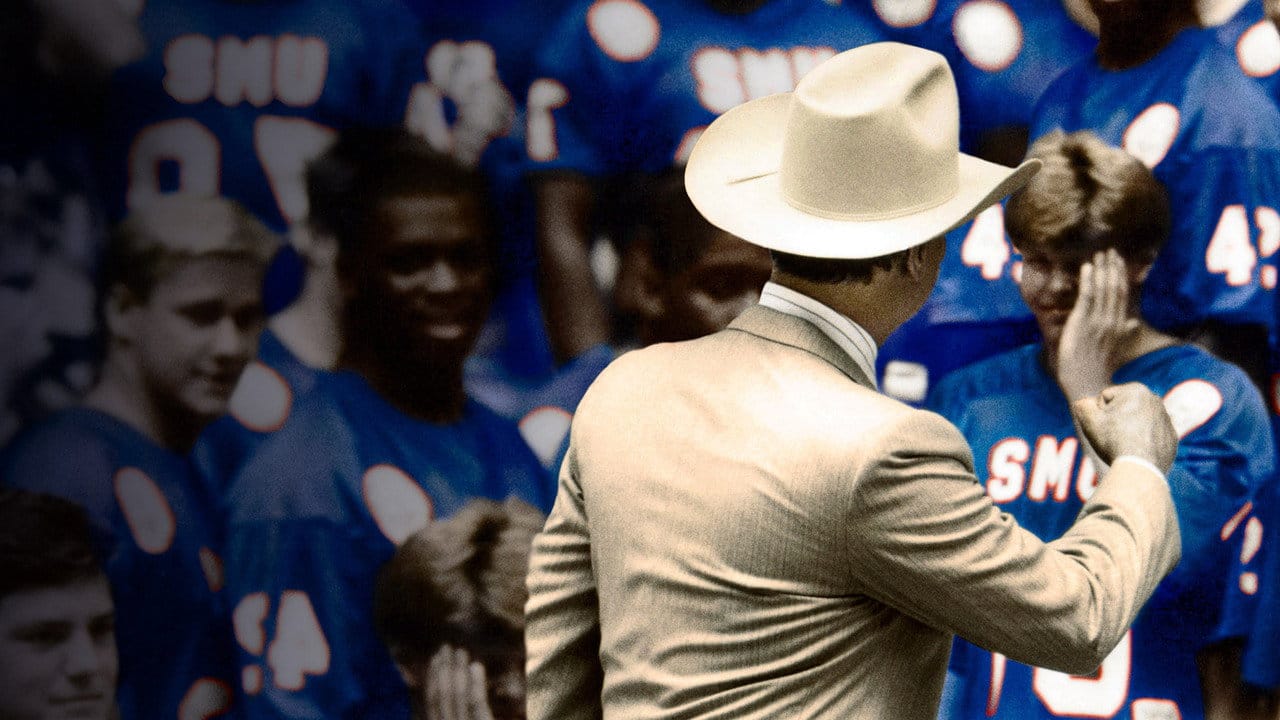
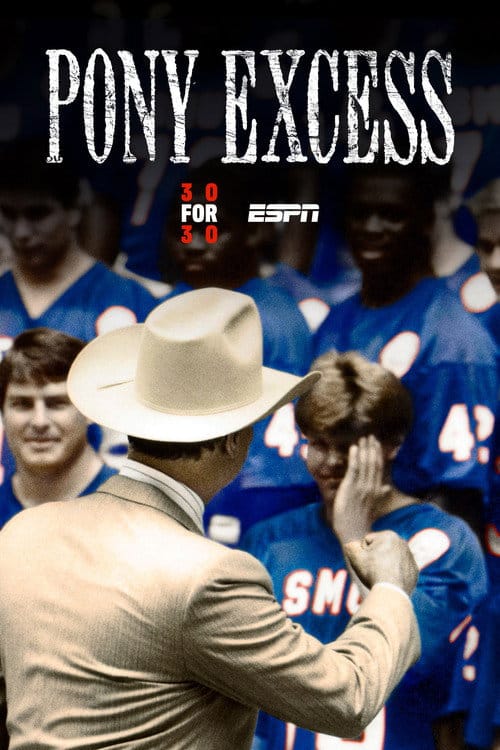
From 1981-1984, a small private school in Dallas owned the best record in college football. The Mustangs of Southern Methodist University were riding high on the backs of the vaunted "Pony Express" backfield. But as the middle of the decade approached, the program was coming apart at the seams. Wins became the only thing that mattered as the University increasingly ceded power of the football program to the city's oil barons and real estate tycoons and flagrant and frequent NCAA violations became the norm. In 1987, the school and the sport were rocked, as the NCAA meted out "the death penalty" on a college football program for the first and only time in its history. SMU would be without football for two years, and the fan base would be without an identity for 20 more until the win in the 2009 Hawaii Bowl. This is the story of Dallas in the 1980's and the greed, power, and corruption that spilled from the oil fields onto the football field and all the way to the Governor's Mansion.
Main Cast




More Like This










Communauté
7.2
Note Trakt
33 votes
10
2
9
4
8
10
7
8
6
5
5
1
4
2
3
1
2
1
91Spectateurs
651Collectés
241Listes
Avis de la communauté (1)
R
rnhaasCritique★5/10May 29, 2024
It’s tough to talk about the content of a film like this without talking about the concept of “student athlete” and how the NCAA (and others) have essentially brainwashed the media and most of the United States into believing that it is immoral for “student athletes” to be compensated for the performances that drive the insane amount of money that the NCAA and these universities make. But let’s try to put that aside. Regardless of whether or not you think the NCAA is a horribly corrupt, exploitative institution, they do create rules, and will continue to do so for the foreseeable future. And, unfortunately, if you agree to play by certain rules, you have an imperative to follow those rules (in most cases). This is a very in-depth film about the flouting of the rules that allowed Southern Methodist University – a very small school, relatively speaking – to become the best amateur program in the United States. Some effort is made to put this into context: “everyone else” was doing it, and a media war meant SMU was the target rather than another school. All that’s interesting. Unfortunately, as someone else has pointed out, this film is too long for the subject matter – or at least it’s too long for the way that subject matter is presented. And I think it’s the presentation that’s the real problem, and it doesn’t surprise me that this man has never made another feature. This movie is overly edited – at times there are a number of crazy jump cuts per minute and the cuts never really stop – and it’s odd that a style befitting an action film was adopted for a story about “corruption” at a University. The relentless cutting and the length of the film make it hard to take, no matter how interested I was, and the tale as one of morality, rather than an investigation into the deeper reasons as to why, make it less interesting as well. Also, any film that relies this much on Skip Bayless for its credibility has problems.
Reviews