Loading...

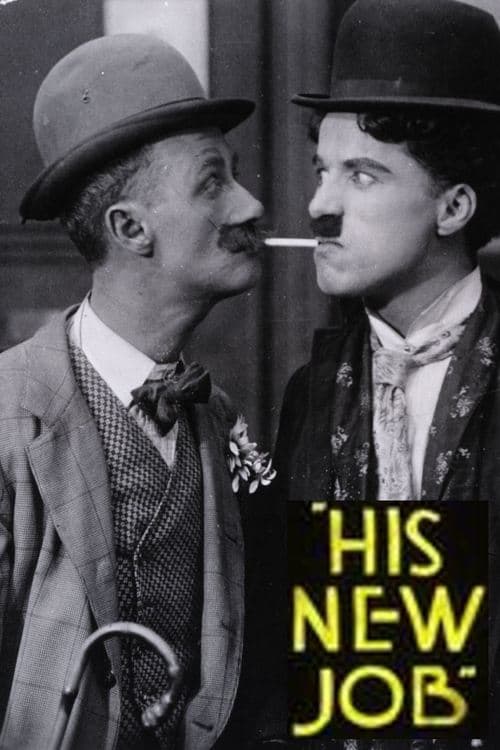
5.8·1915·29 min·English·Directed by Charlie Chaplin
Comedy
Synopsis
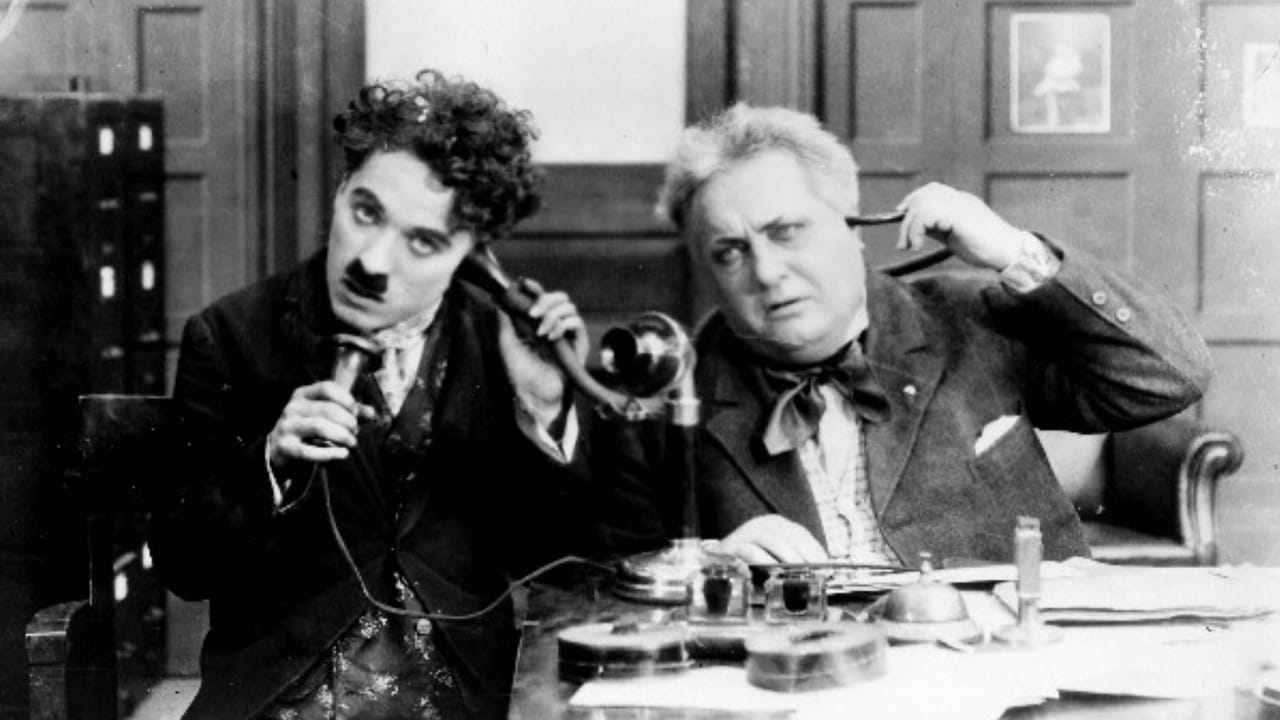
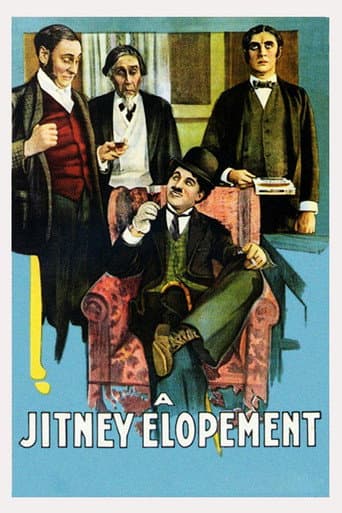
When one of the actors on a movie set doesn't show up, Charlie gets his chance to be on camera and replaces the actor. While waiting, he plays in a dice game and gets on many people's nerves. When he finally gets to act, he ruins his scene, accidentally destroys the set, and tears the skirt of the star of the movie.
Main Cast



More Like This

Communauté
5.6
Note Trakt
67 votes
10
3
9
1
8
5
7
5
6
19
5
19
4
11
3
2
2
1
1
1
173Spectateurs
11.0KCollectés
101Listes
Avis de la communauté (1)
D
drqshadowCritique★5/10Jan 23, 2026
Freed from his low-paying, star-making contract with Keystone, Charlie Chaplin uses has debut comedy for rival Essanay Film as a sort of nose-thumbing to his former employer. In _His New Job_, the Tramp walks onto a busy film set, populated by stuffy control freaks and oafish hangers-on, and immediately improves the picture by contradicting the lot of them. He’s naïve and out of his depth, with no time for rehearsals or scripts, but he knows how to inject energy into a dull production. This doesn’t seem venomous or mean on Chaplin’s part, not really, but the parallels to his personal life are tough to ignore. A bit longer and deeper than the usual primitive two-reeler, _His New Job_ still mostly consists of Charlie aimlessly wandering a closed set, causing problems and starting fights. Motivated by the allure of the camera, he’s happy to be involved in any capacity (which is good, as he changes roles roughly half a dozen times), but he doesn’t take kindly to affronts. And, justified or not, he sees those nearly everywhere. Recurring story threads depicting a deceptive carpenter, high-strung director and mirror-image louse give the drama more color than its contemporaries, but often grow formulaic without any changes to the script. Good for a few laughs, primarily from the standard slapstick pants-kicks and pratfalls, but not a substantial short film. Chaplin was still putting the pieces together as a complete, self-contained filmmaking phenom.
Reviews