Loading...
7.4·1965·80 min·Français·Directed by Agnès Varda
Only a woman could dare to make this film.
DramaRomance
Synopsis
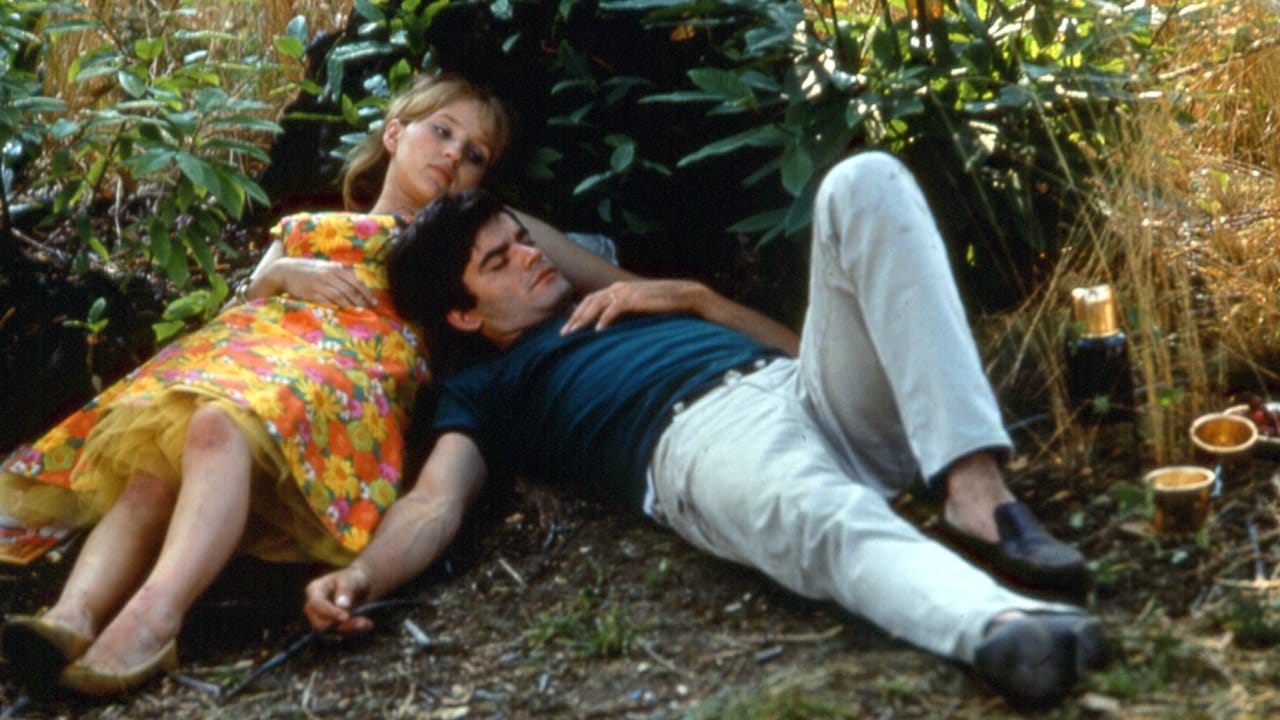
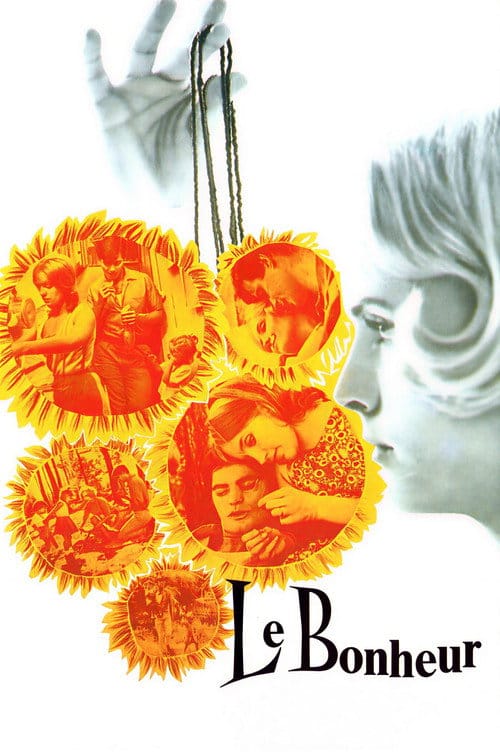
Though married to the good-natured, beautiful Thérèse, young husband and father François finds himself falling unquestioningly into an affair with an attractive postal worker. One of Agnès Varda's most provocative films, 'Le bonheur' examines, with a deceptively cheery palette and the spirited strains of Mozart, the ideas of fidelity and happiness in a modern, self-centered world.
Main Cast

More Like This
Communauté
7.4
Note Trakt
223 votes
10
17
9
25
8
84
7
53
6
22
5
11
4
3
3
2
5
1
2
584Spectateurs
6.4KCollectés
1.1KListes
Avis de la communauté (5)
2
2016moonlight★9/10Aug 16, 2020
This movie is just stunning, both visually and in its attempt to tackle marriage, love, infidelity and the "bonheur". There's so much meaning, so much suggestion, thought provoking plan compositions, transitions, dialogue, sequences. The use of colour is just breathtaking. My first time ever watching an Agnès Varda film and I'm in love. I intend on watching her entire filmography now.
♥2
P
paranoidfreud★9/10Aug 12, 2024
I watched this film blindly, having only watched previously two of her films (Cléo de 5 à 7 and Les plages d'Agnès), only expecting to appreciate a soft, gentle piece of cinema. What I received was a story filled with difficult and uncomfortable ideas, handled with extreme care and contrasting visuals, thanks to Varda's mesmerizing use of color. I appreciate how it was never sardonic and it leaves you both fulfilled and empty at the end.
M
Meline0505VIP★5/10Jan 29, 2024
Astounding colors and shots but the plot’s outcome didn’t suit me at all…
M
Maarten Delfgou★7/10Nov 15, 2021
The original title of the film is Le Bonheur.
S
smallclone★8/10Oct 2, 2020
What a great film. Varda's use of colours, snappy editing and little text / visual signposts to tell the viewer that happiness is not what you see on the outside is brilliant.
Reviews