Loading...
6.3·1957·125 min·English·Directed by Raoul Walsh
You're no blue blood any more, honey. The master bought you...and now he's waitin'!
RomanceDramaHistory
Synopsis
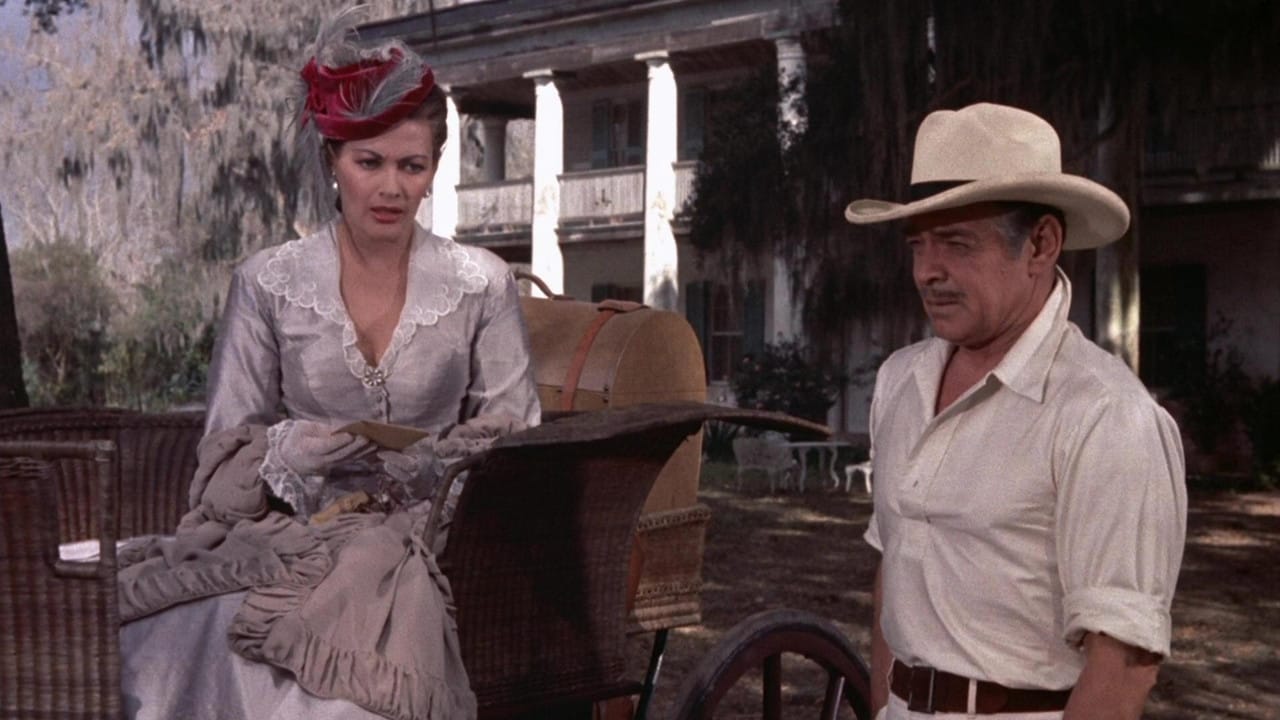
Living in Kentucky prior to the Civil War, Amantha Starr is a privileged young woman. Her widowed father, a wealthy plantation owner, dotes on her and sends her to the best schools. When he dies suddenly Amantha's world is turned upside down. She learns that her father had been living on borrowed money and that her mother was actually a slave and her father's mistress.
Main Cast
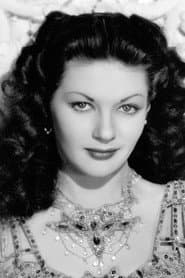
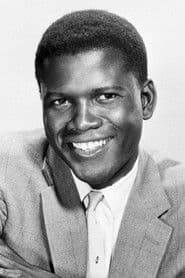
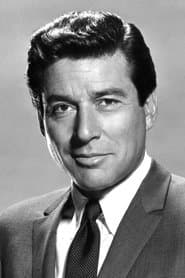
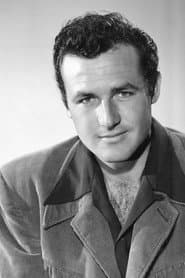

More Like This
Communauté
6.5
Note Trakt
53 votes
10
1
9
2
8
12
7
13
6
14
5
5
4
5
3
2
1
1
216Spectateurs
12.2KCollectés
301Listes
Avis de la communauté (2)
N
nutmacCritique★4/10May 11, 2026
Band of Angels is a curious film. Released nearly two decades after Gone With the Wind, during the early civil rights movement period (the first Civil Rights Act was introduced months later), it takes a more progressive stance than its antebellum counterpart upon which it shares the same foundations. Amantha Starr, played by luminous Yvonne De Carlo, is a “damsel in distress.” She recently discovered her past as a half-black woman after the death of her father, a plantation owner heavily in debt. Sold at auction to a very wealthy plantation owner named Hamish Bond (Clark Gable), Amantha regains the luxuries afforded to privileged white women. Throughout the film, Amantha tries to disown her discovered heritage, insisting that she is white. It is only through Rau-Ru (Sidney Poitier) that we get a glimpse into the depiction of racial injustice. But his trademark dignified presence and speeches can only take the film so far. The film navigates the delicate balance between appeasing both the southern and progressive audiences, stopping short of taking any stance. Like Gone With the Wind before it, Band of Angles is ultimately a soap opera, but with less grandeur and purpose. It remains an interesting time capsule of America transition to the civil rights era.
G
gunsgirlVIP★7/10Sep 25, 2021
A good movie featuring Yvonne Decarlo and Clark Gable. The movie is about racism and slavery…… the movie moved a bit too quick for me as it could have used a slower pave at the beginning with more character development.
Reviews