Loading...
6.5·2015·97 min·English·Directed by Michael Almereyda
Illusion sets the stage. Deception reveals the truth.
DramaHistory
Synopsis
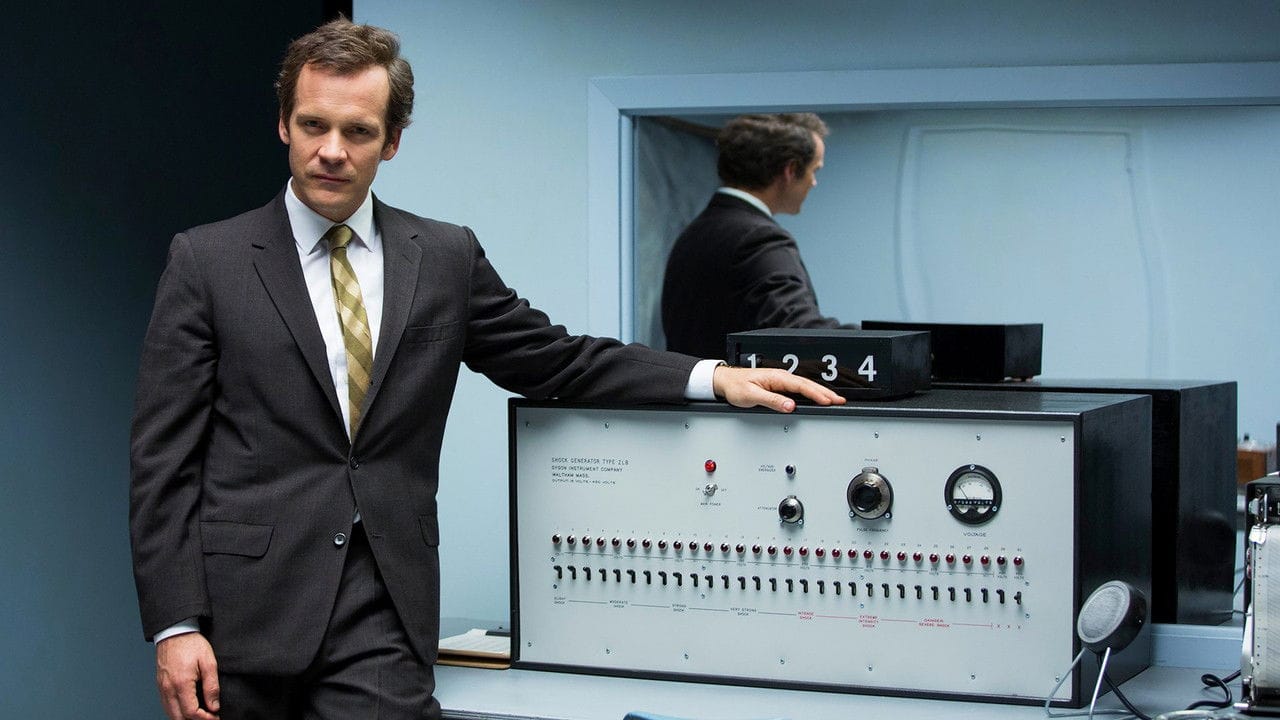
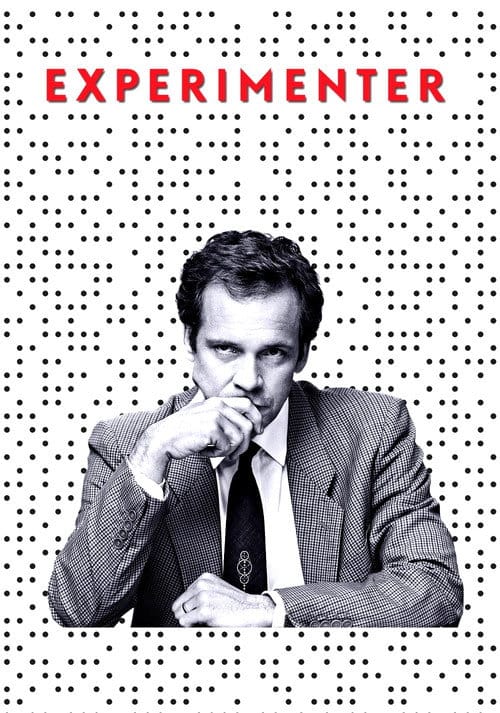
Yale University, 1961. Stanley Milgram designs a psychology experiment that still resonates to this day, in which people think they’re delivering painful electric shocks to an affable stranger strapped into a chair in another room. Despite his pleads for mercy, the majority of subjects don’t stop the experiment, administering what they think is a near-fatal electric shock, simply because they’ve been told to do so. With Nazi Adolf Eichmann’s trial airing in living rooms across America, Milgram strikes a nerve in popular culture and the scientific community with his exploration into people’s tendency to comply with authority. Celebrated in some circles, he is also accused of being a deceptive, manipulative monster, but his wife Sasha stands by him through it all.
Main Cast










More Like This


Communauté
6.6
Note Trakt
1.1K votes
10
80
9
44
8
185
7
306
6
300
5
81
4
34
3
15
2
7
1
44
2.8KSpectateurs
74.0KCollectés
2.5KListes
Avis de la communauté (8)
L
laxasaurusrex★8/10May 13, 2016
After studying this experiment alongside the many other experiments around this subject and time. It was for me at least really really interesting to see it performed like this. With the other elements about Milgram outside the experiment that I'd never seen that side in academic studies it added a great background to it all.
♥3
P
phildev★10/10Aug 6, 2016
Utterly fascinating experiments and the conclusions about human nature they reveal.
♥2
M
MrCalifornia★3/10Nov 13, 2015
The first 30 minutes seemed good but I really only was drawn in by the experiment. The rest just seemed stretched out and unnecessary.
♥2
V
valerdura★9/10Aug 16, 2016
I thought I'd see a flat film but it turned out very interesting. The humor and social reflections are well balanced. You can't miss it because it makes you think about yourself and the people around you in a different and new way.
♥1
K
kirenosslrak★6/10Oct 17, 2015
decent movie but absolutely hated the theater type scenes where they had a (obvious) picture backdrop.
♥1
Reviews