Loading...
8.0·1990·98 min·fa·Directed by Abbas Kiarostami
A real-life situation based on a real incident in actual locations with actual people involved.
CrimeDrama
Synopsis
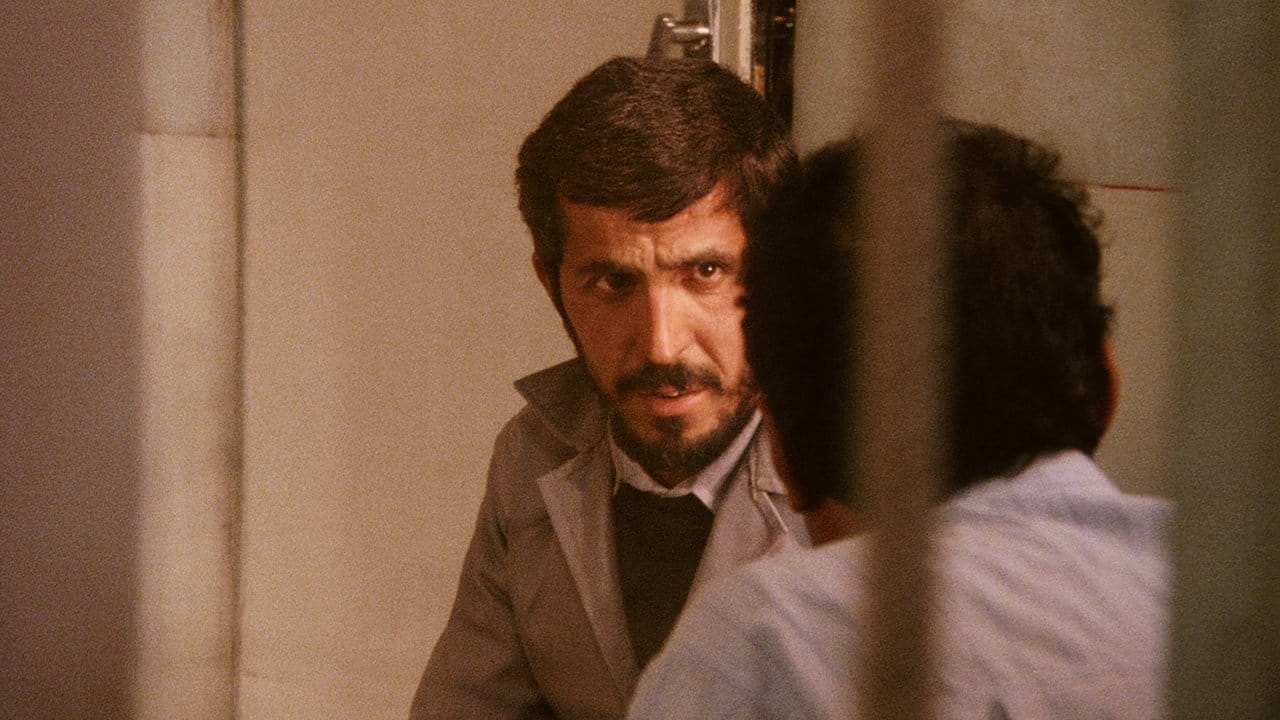
This fiction-documentary hybrid uses a sensational real-life event—the arrest of a young man on charges that he fraudulently impersonated the well-known filmmaker Mohsen Makhmalbaf—as the basis for a stunning, multilayered investigation into movies, identity, artistic creation, and existence, in which the real people from the case play themselves.
Main Cast

More Like This
Life, and Nothing More…
1992·7.7
Reading Lolita in Tehran
2024·7.3
The Wind Will Carry Us
1999·7.1
Reality
2023·6.4
The Big Knife
1955·6.0
The Greatest Story Ever Told
1965·6.4

Taste of Cherry
1997·7.7

American Wrestler: The Wizard
2017·7.2

24 Frames
2018·6.6
Knock on Any Door
1949·6.2
Hello Sister, Goodbye Life
2006·6.1
The Black Pirate
1926·6.7
Communauté
8.1
Note Trakt
801 votes
10
203
9
133
8
241
7
107
6
63
5
20
4
15
3
4
2
5
1
10
1.8KSpectateurs
66.0KCollectés
4.1KListes
Avis de la communauté (6)
J
Jay Shuai★4/10Dec 8, 2022
Get the impression that this film was made by the director for himself and himself only, without any consideration towards the audience. The story is stupid and one that only a film director would come up with. Tbh i’d expect this type of indulgence and pretentiousness to come out of the Italian or french new wave. Very reminiscent of the worst of those films. All talk, nothing else. I mean it carries u along well enough, its just a nothing story. If it was any longer than it is it would become unbearable, no doubt. Just another so called masterpiece that would be of no interest to anyone outside filmmaking or criticism. I don’t hate it but i’m sick of mediocre shit being on top 100 lists. U won’t miss anything if u skip it. 5/10
♥2
M
Maarten DelfgouMar 12, 2022
The original title of the film is Nema-ye Nazdik.
♥1
E
ehsan_a_t_dec75d★10/10Jul 6, 2026
I am proud that someone like Kiarostami was my compatriot.😎 This movie was life itself, full of normal and everyday twists and turns of life, full of pain, full of suffering, full of everything that constitutes life... 😔 It is true that everyone is an actor in his own life movie and what is a higher concept than this😊
E
energykitty★10/10Aug 3, 2025
absolutely unreal. like, how is this even real? or not real? or both? Close-Up folds reality in on itself so gently you don’t even notice you’ve slipped into something transcendent until it’s too late. it’s not just a film, it’s a philosophical sleight of hand, part courtroom drama, part identity crisis, part love letter to cinema itself. hossein sabzian is one of the most heartbreakingly compelling figures i’ve ever seen on screen. his sincerity cuts through every layer of artifice like a knife. kiarostami didn’t just blur the line between documentary and fiction, he made that line irrelevant. masterpiece.
M
madunist★7/10May 5, 2025
To view Close-Up merely as a self-indulgent exercise by a director ignoring his audience is to overlook both its formal innovation and emotional depth. Kiarostami is not mimicking the French New Wave nor engaging in empty intellectualism; rather, he is exploring the blurred line between fiction and reality through a real-life story. The film’s supposed “lack of story” is precisely what reveals the universality in the mundane. It gently but powerfully examines why a man would pretend to be someone else, his faith in cinema, and how society shapes personal identity. To say that “no one outside of filmmakers would care” misses the point. Close-Up deals with themes like disappointment, identity, and class differences—deeply human experiences that resonate beyond the world of cinema. Of course, not every film must resonate with every viewer. But to dismiss this as mere intellectual posturing is to underestimate what cinema can do when it moves beyond traditional storytelling.
Reviews