Loading...
7.0·1973·120 min·English·Directed by Herbert Ross
Any number can play. Any number can die.
CrimeDramaMysteryThriller
Synopsis
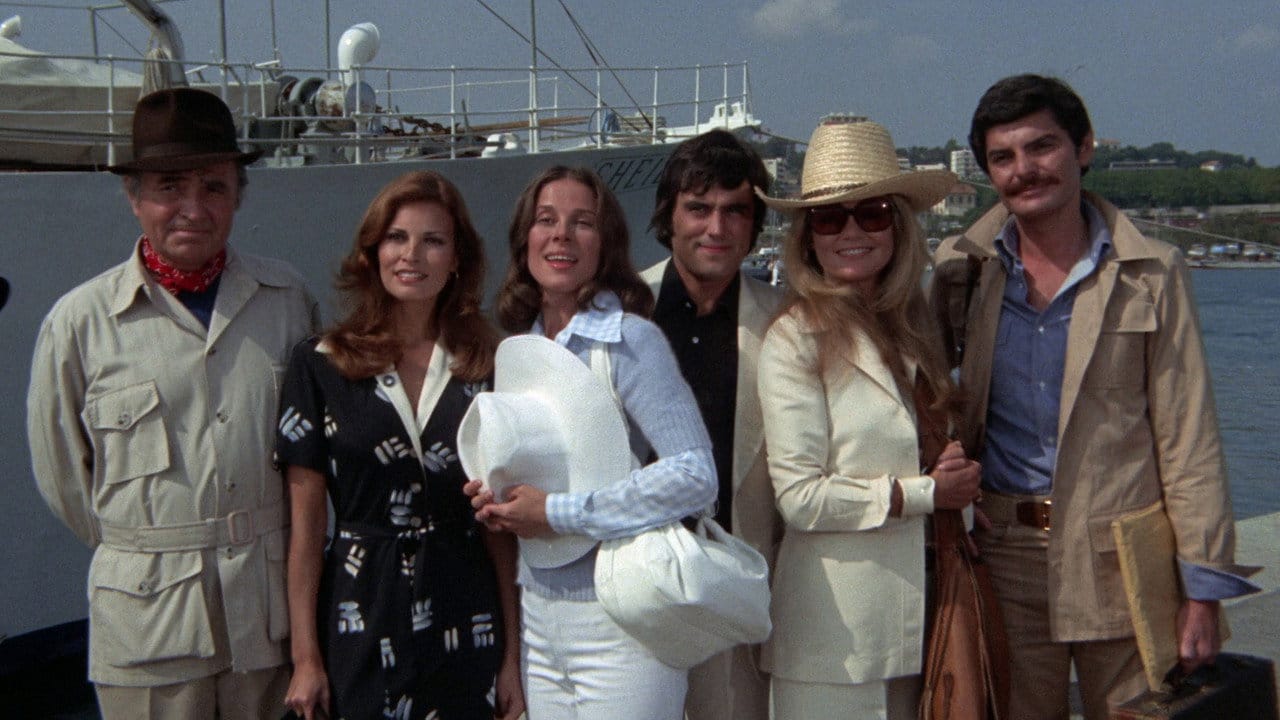
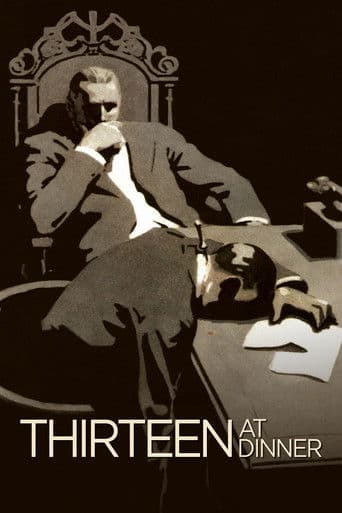
A year after Sheila is killed in a hit-and-run, her multimillionaire husband invites a group of friends to spend a week on his yacht playing a scavenger hunt-style mystery game—but the game turns out to be all too real and all too deadly.
Main Cast







More Like This



Communauté
7.2
Note Trakt
306 votes
10
17
9
25
8
84
7
111
6
38
5
14
4
9
3
1
2
2
1
5
921Spectateurs
13.6KCollectés
1.2KListes
Avis de la communauté (2)
B
Buck Flower Sings★7/10Nov 26, 2022
A very well done who-done-it that Agatha Christie would be proud of. However, this thing really needed some help in the editing department. The first hour drags on for what seems like forever. That is also the only real negative about this film.
♥1
S
senbaldorVIPCritiqueJun 7, 2026
# Reception and Legacy - Critical Standing - Cult classic status, praised for its tight, literate script - Influence - A direct precursor to modern 'whodunit' subversions like Knives Out # Themes and Meaning - Central Themes - The cruelty of celebrity culture, the toxicity of secret-keeping, moral ambiguity - Symbolism - The Yacht as a microcosm of isolation, the 'Game' cards as externalized secrets # Cinematography and Sound - Visual Style - On-location Mediterranean elegance, contrast between opulence and claustrophobia - Score - Billy Goldenberg's tension-building score, atmospheric nautical cues # Narrative Structure - Format - Non-linear clue discovery, layered puzzle construction - Core Conflict - The 'Game' vs. Reality, psychological exposure of the guests - Narrative Style - The 'Hunt' paradigm, shifting perspectives, meta-fictional game play # Character Analysis - Clinton Greene - The puppet master, obsessed with control, manipulator - The Guests - Tom, Lee, Philip, Alice, Christine, Anthony - Motivations - Greed, vanity, repressed trauma, professional jealousy # Summary Insights - The film functions as a meta-commentary on the film industry, where the lines between performance and identity are erased by the pressure of secrets. - Written by a composer (Sondheim) and an actor (Perkins), the script prioritizes structural precision and psychological roleplay over traditional suspense. - The 'Game' is an instrument of voyeurism that forces characters to perform their own guilt, effectively turning the mystery into a character study. - It subverts the Agatha Christie trope of the 'detective' by making every participant both a detective and a suspect, creating a closed-loop of mutual suspicion. - The Mediterranean setting acts as a paradox—a place of leisure and wealth that paradoxically serves as a prison for the characters' dark pasts.
reviews