Loading...
7.1·2025·30 min·English·Directed by Hilla Medalia
Documentary
Synopsis
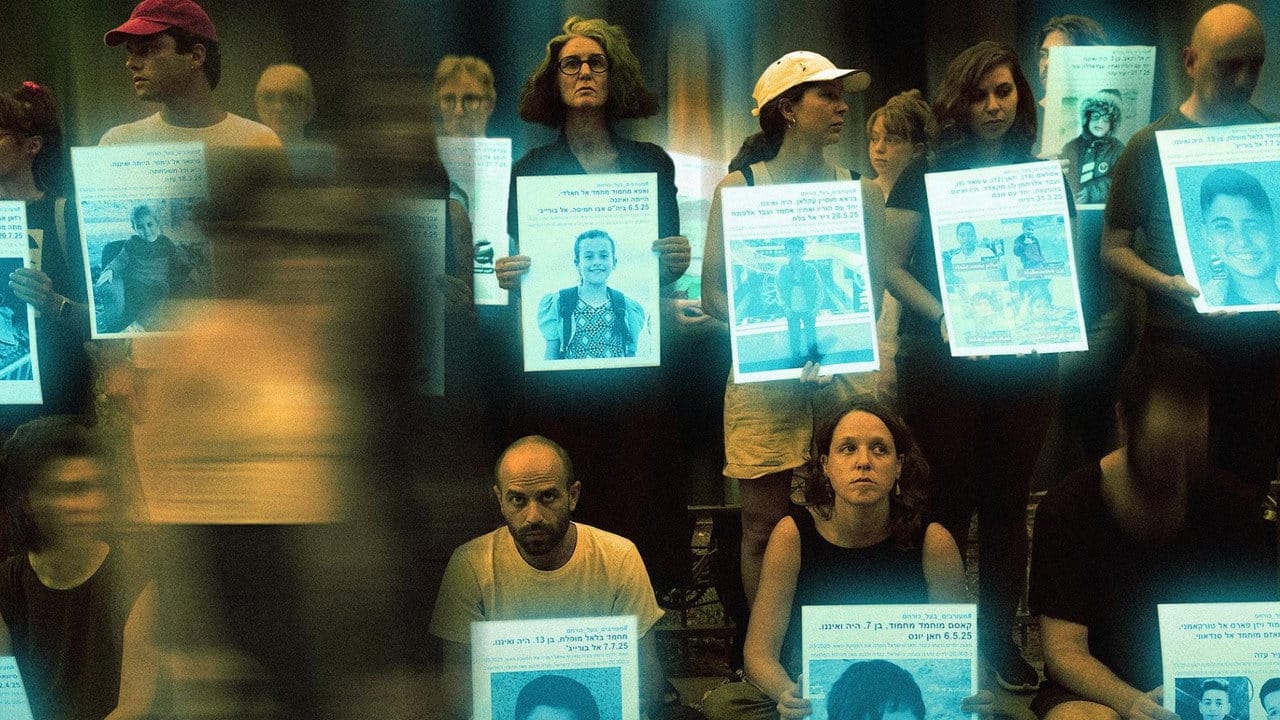
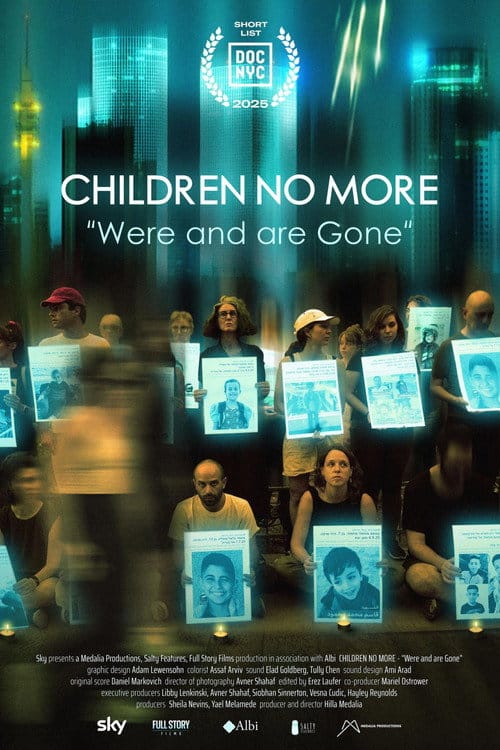
In Tel Aviv, activists gather weekly to demonstrate their opposition to the war in Gaza with a silent vigil for the children killed in Israeli attacks.
More Like This






Communauté
5.9
Note Trakt
65 votes
10
9
8
8
7
13
6
24
5
13
4
3
3
2
2
1
1
1
173Spectateurs
72Collectés
139Listes
Avis de la communauté (4)
M
myke2145★6/10Mar 6, 2026
Moving and sad. It is hard to believe that other people in Israel "support" killing of children. I know it is not that simple, but it shouldn't be okay just because Hamas has hostages. War crimes are not okay.
T
Tomizuka0829VIP★5/10Feb 25, 2026
Probably the point, but a bit repetitive. 2025 (98th) Academy Award nominations: Best Documentary Short Film
A
AlfieSGDVIP★6/10Feb 6, 2026
The short documentary “Children No More: Were and Are Gone” focuses on a group of protesters in Tel Aviv who silently hold photos commemorating Palestinian children killed in the Israeli offensive in Gaza. This certainly shows that there is still room for freedom of expression and protest in Israel, even if the activists have to endure a fair amount of backlash. As a documentary, however, the film is a little too repetitive to be completely convincing. But the intention is certainly one to be welcomed.
H
heyflpCritique★8/10Jan 26, 2026
Silence is rarely neutral. Depending on the context, it can function as denial, complicity, or absolute accusation. By choosing to remain silent and simply show, “Children No More: Were and are Gone” occupies an uncomfortable space where the image stops being mere documentation and becomes evidence of a moral collapse that can no longer hide behind noise. The documentary follows a vigil held in Tel Aviv by a small group of Israeli activists who stand in a public square holding photographs of Palestinian children killed in Gaza. Each image is accompanied by minimal information (name, age, date of death) and the phrase “were and are no more,” which works less as a caption and more as a sentence. The film’s proposal is rigorously simple: to observe. There is no explanatory narration, no direct interviews, no attempt at broad historical context. What exists is the repetition of the gesture and the reactions it provokes, both from passersby and from those who feel personally attacked by the mere presence of these images. The power of “Children No More” lies precisely in its refusal to argue over versions or justify positions. The film does not discuss military strategy, list political arguments, or relativize civilian deaths. By focusing exclusively on murdered children, it dismantles any attempt to abstract the conflict. The silent vigil exposes an absolute ethical boundary: there is no narrative that can make the death of children acceptable. And yet, what the documentary reveals is how even this basic truth sparks anger, hostility, and accusations of betrayal. Formally, the direction relies on long, observational takes that capture both the stillness of the activists and the verbal aggression of those who confront them. The contrast is brutal. On one side, people who say nothing; on the other, shouting, insults, and attempts to silence. The film makes it clear that what unsettles people isn’t speech (since there is none) but the image itself. Photographs of dead children seem to cross an invisible line, exposing a truth many would rather keep out of sight. Silence, far from calming things down, intensifies the discomfort. There is something deeply disturbing in how the documentary exposes the normalization of horror. Opposition to the vigil isn’t built on denying death, but on ranking grief, as if some lives deserve to be mourned and others don’t. “Children No More” doesn’t need to spell out this logic; it’s laid bare in the reactions caught on camera. The discomfort isn’t caused by the images themselves, but by what they demand: empathy, recognition, and moral responsibility. By avoiding any attempt at emotional mediation, the film becomes even more forceful. There is no score guiding feelings, no manipulative editing. The viewer is placed in the same position as those who walk through that square: to look, or to look away. And unlike many documentaries about armed conflict, this one doesn’t aim to inform, but to confront. Its central question isn’t “who’s right?,” but “how did we reach a point where photos of dead children provoke more outrage than their deaths themselves?” In the end, “Children No More” stands as one of the most painful and necessary records of the present precisely because of its restraint. It doesn’t ask for agreement or offer comfort. It simply insists on something that should be obvious, but no longer is: no cause, no ideology, no narrative justifies the murder of innocent civilians. In a world that treats genocide as routine and reacts with fury to the mere reminder of its most defenseless victims, the film turns silence into accusation, and the image into a non-negotiable moral line.
Reviews