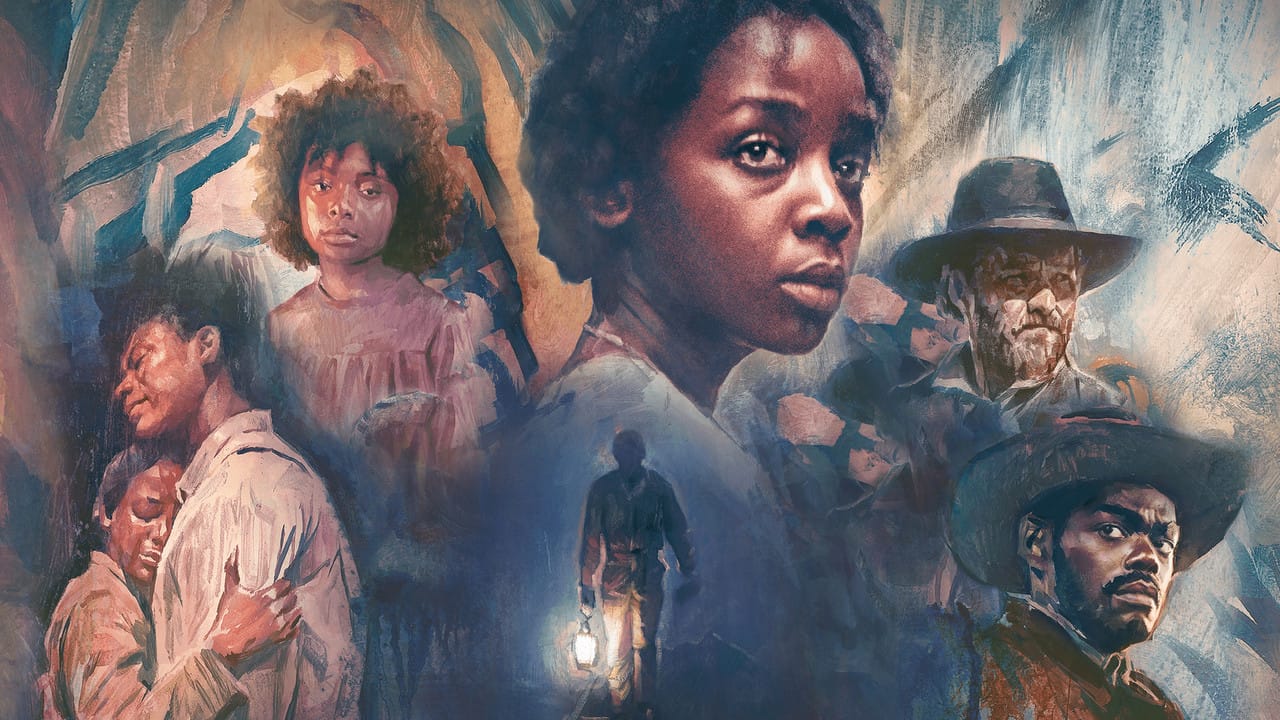
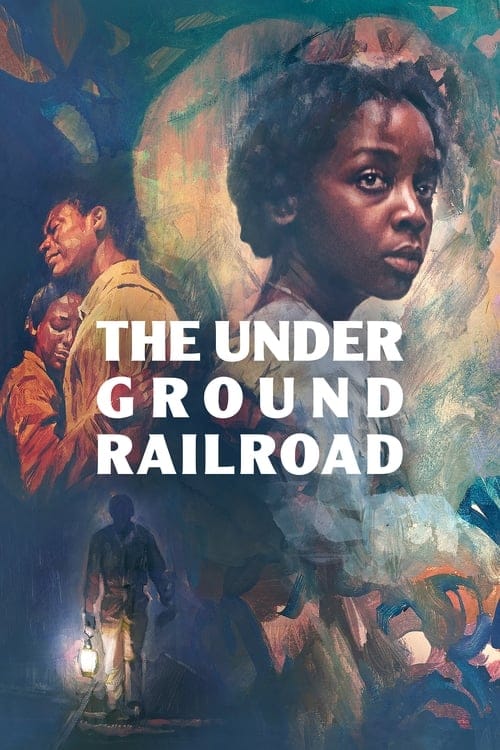
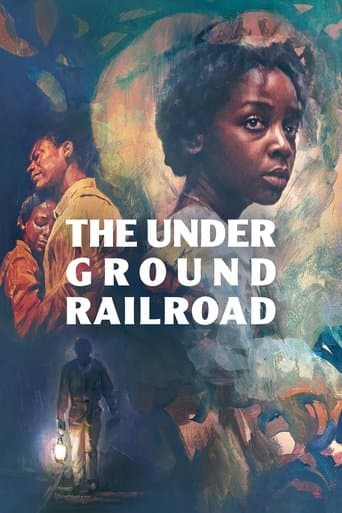
Cora lebt als Sklavin auf einer Baumwollplantage im „Antebellum South“ in Georgia. Sie muss mit ansehen, wie ihr Besitzer einen der anderen Sklaven zur Unterhaltung der Gäste bei lebendigem Leib verbrennen lässt. Nachdem Cora für die angebliche „Underground Railroad“ aus ihrer Plantage in Georgia geflohen ist, entdeckt sie keine bloße Metapher, sondern eine echte Eisenbahn voller Ingenieure und Schaffner und ein geheimes Netz von Gleisen und Tunneln unter dem südlichen Boden.



Avis de la communauté (11)
[Amazon] With this work, Barry Jenkins offers a new dimension to that representation of the trauma of slavery that is already common in movies and series. Majestic in the visual concept, deep in the psychological journey through the discovery of many forms of slavery and many forms of liberation. There are episodes that are masterpieces, there are ideas that reveal the genius of a great director.
A visually pretty show, with an interesting story, but oh so, so long and slow, it becomes boring as it relies to much on the imagery.
That was a heavy ride! I would encourage everyone to watch this limited series. It's one of the best I've seen in recent years. On every level! Cinematography, performances and especially the sound design which I wasn't expecting due to the shows topic! Masterfully crafted, intense, heavy, necessary! I'm german, so I'm looking into this story from the outside. (even though germans obviously had similar problems in this era and especially later) But I think with this series, I have gotten the best impression of black peoples' lives in this era and how their story continues throughout today. I have not read the book, but the concept of an underground railroad is genius. Connecting different states and by that also different types of racism. In the show it is made clear, that this railroad didn't exist in reality. Under ground it almost feels like a dream, which it unfortunately was. But I also felt that this show was giving the black community so much dignity by implementing this into the story. To me it felt a lot like they were building a foundation of this country down there, which was just powerful to see. I always thought about America as a whole. The "United States" of America. Turns out: Life in the different states that are even right next to each other, was quite different (duh). The main thing that these states (that were shown) "united", was basically some form of racism. That's obviously not all, but that's what this show focuses on. And that is heartbreaking and horrible to see. Yes, this show is more of a slow burn, but the emotions I've gotten from this type of pacing were truly worth it. It is not an easy watch, but I strongly believe, that not everything should be an easy watch. And this shouldn't be one either. Go watch it! Oh and I wrote this right after finishing the show. So I'm still thinking about it. These are just my first impressions I could turn into words. 😄
This has got to be the hardest and most intense piece of television where the pain of black people is felt. White people have done so much damage by enslaving people that has not been repaired even after so many generations.
I still don't know how I feel about this, so right down the middle seems fair. Chapter 9 is a tour de force.. Jenkins' intimate and heartfelt direction: Britell's sweeping, melancholic, and dread-filled score: and Laxton's meticulous and caring eye, neglecting not one detail. All of this in service of the story they (as well as staff writer Crowther and, of course, author Whitehead's) tell. It could've been a feature film in of itself. That felt like the story Jenkins and co wanted to tell, the reason why they took on this project, the new spin they could offer on the miserable slave narrative. It's a shame it's just one episode. Nobody's coasting on this. It's artfully shot, the entire cast acts their heart out, most notably Mbedu, Jackson Harper, and Pierre. But for most of the series I just kept asking 'Why?' After a daring film like Moonlight exploring not just black love but gay black love with a tenderness and intimacy so rarely seen, why was this Jenkins' next project? The parade of trauma in all chapters besides 9 left me mostly exasperated or frustrated. They felt obligatory. You gotta hit your marks in your slavery story. And the last episode is fine, but fails to stick the landing. It fails to really tie everything together and justify itself. What was gained from Cora's arc? She's constantly trapped in her trauma, with every effort to move forward met with a shove back, and it makes the ending feel hollow. There's no catharsis or revelation when you're left feeling things are just going to go wrong again off screen. But Chapter 9... what it has to say about black capitalism, about assimilation, about colorism, about whether to use the tools of the oppressors or to discard them to try and find our own path, and how nothing black can stay in America if it strays out of its place... it almost makes me wish it was a standalone piece. I can't regret watching the series, not when it gave me so much to think about. But ultimately, I'm left wishing I got more of what made me check out the series to begin with: Cora and Royal playfully flirting, calling each other pretty when they smile. In its own way, it felt just as revolutionary as Chapter 9, and something we need to see more of than any of the other litany of tragedies the series artistically displays.