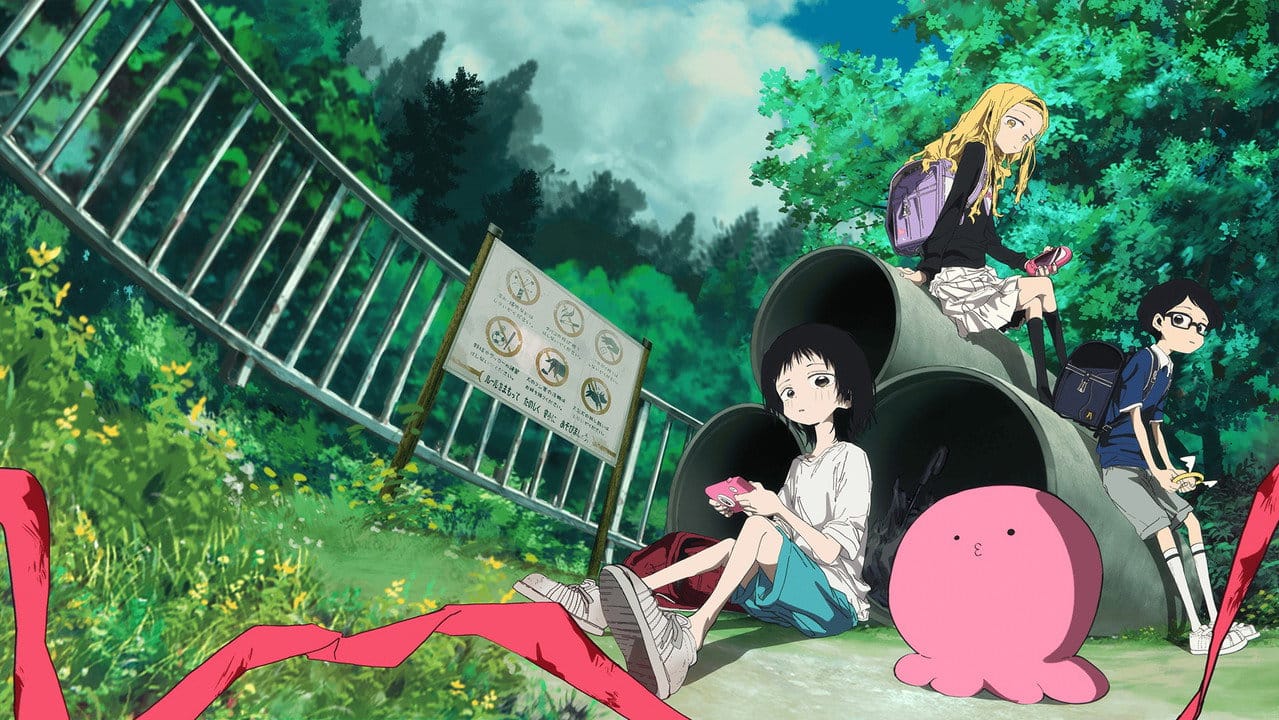
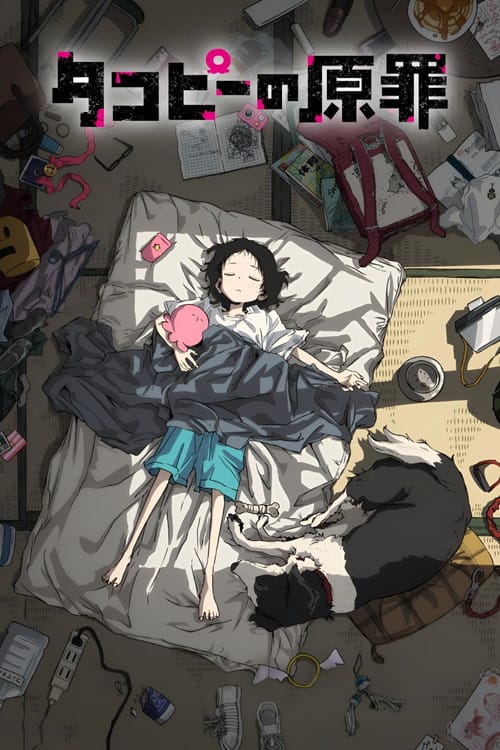
Takopi, ein Wesen vom Planeten Happy, kommt zur Erde, um dort Glück zu verbreiten. Er trifft auf die stille Shizuka, die es ihm alles andere als leicht macht, sie glücklich zu machen.




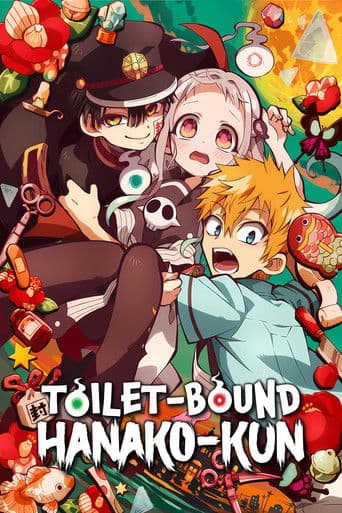
Mein Schulgeist Hanako
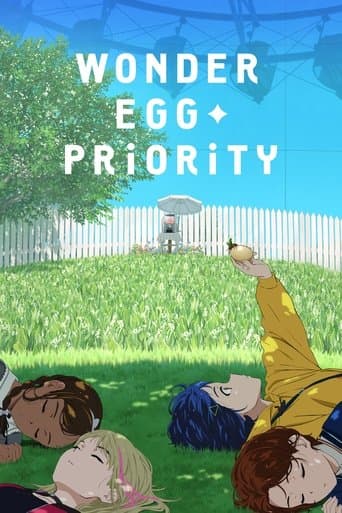
Wonder Egg Priority
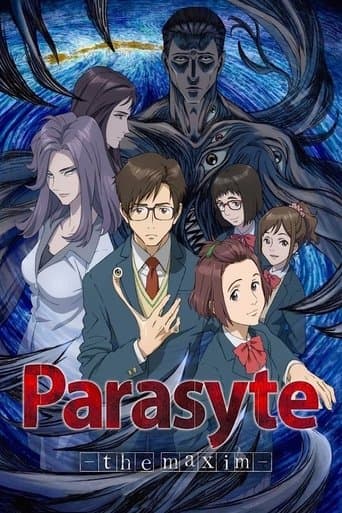
Parasyte - The Maxim
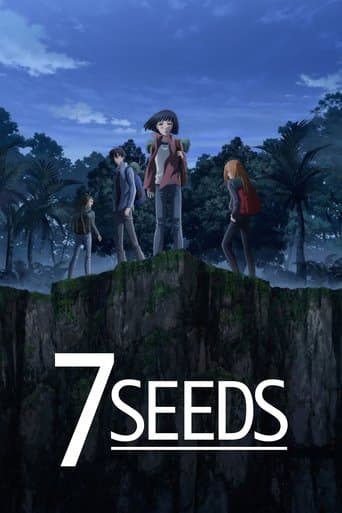
7SEEDS
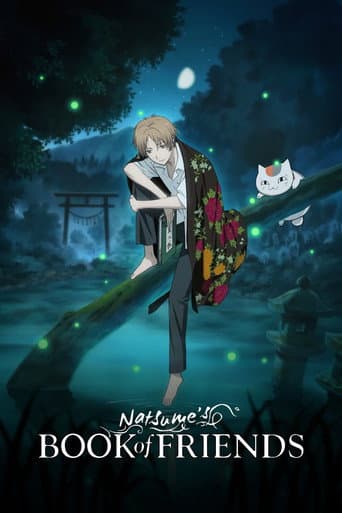
Natsume’s Book of Friends
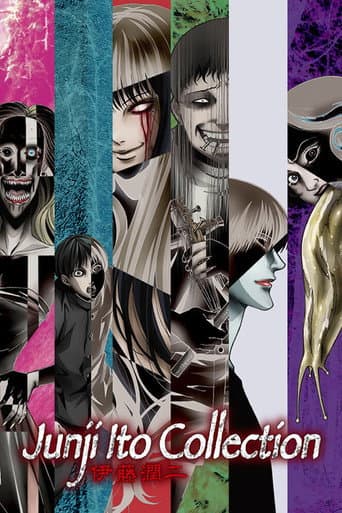
Junji Ito Collection

Elfen Lied
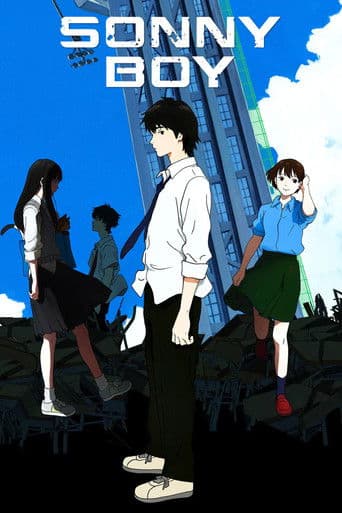
Sonny Boy

Fruits Basket

I Got a Cheat Skill in Another World and Became Unrivaled in The Real World, Too
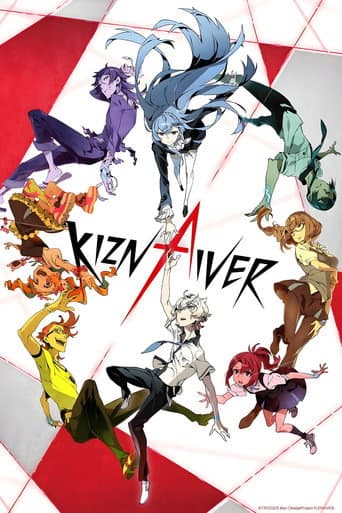
Kiznaiver

Dance in the Vampire Bund
Avis de la communauté (12)
*A rewrite to resolve ambiguity and ensure clarity. While I acknowledge a certain bias, this perspective is intentionally framed through some clinical and psychological lens.* **SPOILER WARNING!!** This will be one of those anime that will touch your feelings, make you weep, and force you to reflect. While some see it as a simple tragedy or even a "misery porn," but it is actually a profound psychological parable. To understand it, you must realize that Takopi is not just a character: he is a symbol. He is the "Internal Catalyst" externalized for the girls, a representation of the healing consciousness required to break a cycle. This is why I really love how childlike and naive Takopi is, and how pure his intentions are to help Shizuka, to make her happy, and to see her smile, yet, of course, unbeknownst to him, his actions had consequences. When forced into a complex moral landscape, inevitably produces catastrophic outcomes. Those who find Takopi’s 'stupidity' or his useless gadgets frustrating are experiencing a deliberate narrative device. This frustration is a psychological mirror: it exposes our own childish desire for magic or a "deus ex machina" to fix complex human rot or for an easy escape from pain. The gadgets fail because magic cannot solve a crisis of the soul; only conscious accountability can. It shows a great "textbook" example of how pathetic, weak, and selfish parents cause their children to suffer. What many people seemed to forget: Do not have children if you aren't ready to be mentally mature or willing to learn how to be a better human being. We can see this through Marina’s mother, who projects her own unworthiness onto her child. Marina, in turn, projects that inherited pain onto Shizuka, blaming and bullying her, Marina can't even stand it when Shizuka is happy. It is a complex string of projection and abuse, a powerful depiction of a vicious cycle where the chains of blaming and abuse are passed down through generations. As the saying goes: "Hurt people hurt people." culture of victimhood, and you can see more of them throughout the show, with that the true antagonist isn't a person, but stagnation itself. The Catalyst vs. The Stagnation If you find the story "unrealistic," you are missing the whole point. It is not meant to be a documentary, this is anime, and it is an archetypal cautionary tale. The hyperbole is necessary because its authenticity to make the internal psychological states visible. It isn't just "misery", it is externalized trauma manifesting. - The Takopi's Original Sin: Acts as a parable for Agency. Takopi represents your Internal Self. He in a way teaches that you have the power to "know better" and break the cycle. He is the catalyst that grants the characters agency, the part of the self that finally decides to 'know better.' to take accountability and responsibility. - Contrast with Reverberation (manga): If you want pure realism or "edgy" stagnant despair, read the manga Reverberation. As it shows what happens when people lack agency and accountability, they stay stagnant, echoing their own pain forever unconsciously while being driven around by those around them. If you don't decide who you are, the world, those who around you will decides that for you and then you will call it fate. The Cost of Awareness As Carl Jung said: “The meeting of two personalities is like the contact of two chemical substances: if there is any reaction, both are transformed.” Takopi is one of the substance that triggers this transformation. Transformation isn't free. It leaves messy damage and scars along the way, but that is exactly the point. If the characters came out perfectly fine, emerged unscathed, the healing would be fake and the growth would feel cheap. The "Original Sin" here is not just the parents' refusal to self-reflect, it is also the birth of consciousness itself. While the parents choose the easy path of blaming others, the children: Shizuka, Marina, Azuma, and Junya, however, choose the hard path of awareness, learning through it while stumbling around. It is the moment when they realize that while they are not responsible for their trauma and abuse, they are the only ones who can choose to end it. It is the "sin" of losing one’s ignorance to gain agency. By removing the "magic" solution, the deus ex machina, the story forces the viewer to face the "Cost of Awareness": the death of the naive self (Takopi) to make way for the conscious adult. The Sacrifice of Innocence When Takopi "dies", it symbolizes the necessary sacrifice of innocence. You cannot remain childlike and be a conscious grown-up simultaneously. The narrative frustration caused by his 'stupidity' or uselessnes and his gadgets is the point: it forces the realization that no external miracle can substitute for the hard work of self-reflection. The girls plight especially Shizuka often induce a "Savior Complex" in the viewer, you can see it with Azuma there, as he is the represents. Just as Takopi tries to "fix" things with gadgets, Azuma tries to "fix" things to validate his own worth. Also, If you wanted Takopi to just save everyone with gadgets, to be the deus ex machina or if you wanted a simple ending or conclusion where the parents are punished, justice, you missed the author’s intent. You can also think of the parents function as the 'initial conditions' of a psychological experiment, Their failure is a narrative necessity; without the weight of their stagnation, the girls’ eventual transformation would lack gravity. The story isn't about the environment changing, the parents must remain broken or "shitty", it's about the characters evolving within that fixed environment, inside the cycle and changing. By choosing to "talk it out", not bear the pain alone, and not blaming others, they break the generational trauma through conscious deliberate choice. Overall, The animation and voice work are excellent as it amplify everything, but the writing is what makes this my favorite psychological drama. By combining Authenticity (the raw pain of the cycle) with Usefulness (the map to breaking it), this story becomes more than just an art for consumption, it becomes a tool for understanding the human condition. It proves that while we cannot change our past, we can "know better" and refuse to bear the burden alone. Even when the "initial conditions" of our lives are cruel, love and kindness can still bear fruit through the conscious choice to understand each other more. Just how complex human relationships are, yet even amid the pain, despite it all, love still grows and bears fruit as we become kinder and understand each other more. Don't try to bear it all alone.
I cried during every episode . Such an emotional show. I loved it
terrible series, it narratively sucked, was overly illogical exaggerative in the most infuriating way, and it tries to emotionally manipulate and make the viewer experience emotional shocks just cause, the ending wasn't any good either, we just suddenly learn that the pink squid can just erase things using his happy powers, that killed any buildup the series had
this is the best anime this season
wow, it was truly something special...