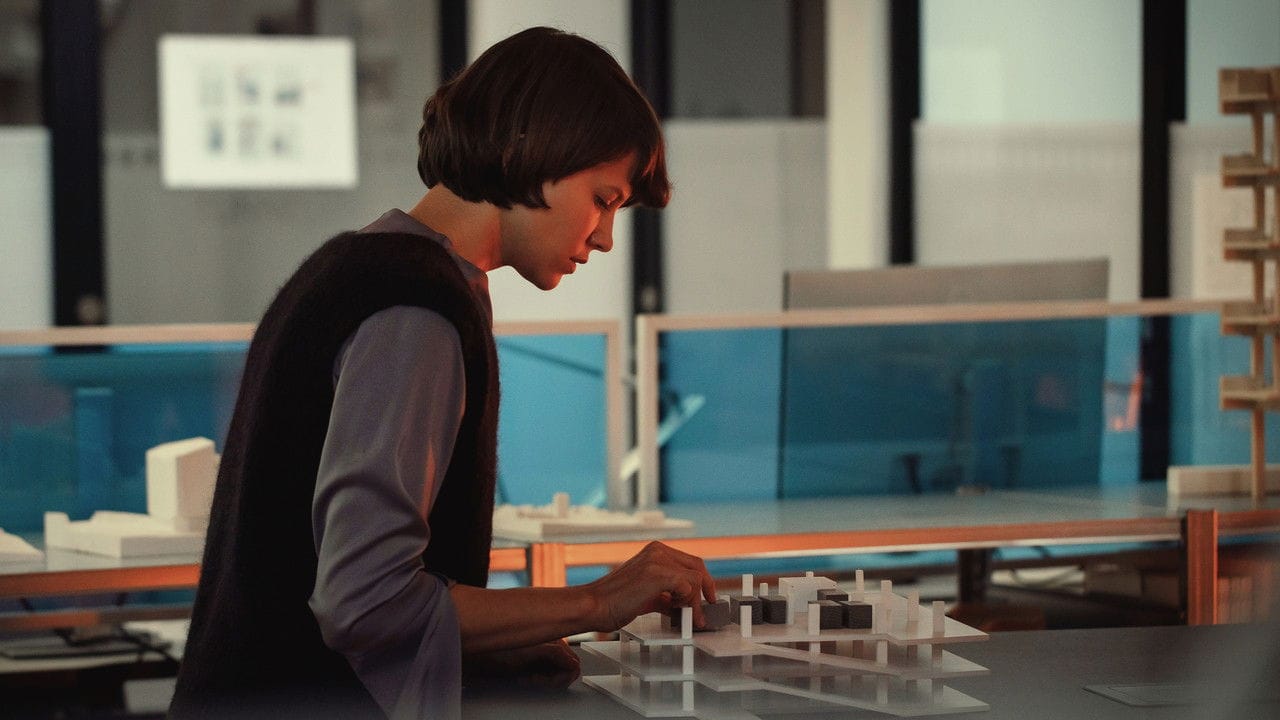
Als ein Projekt zum Bau von tausend Wohnungen in Oslo ausgeschrieben wird, hat die Architektin Julie eine Idee: Warum nicht leerstehende Tiefgaragen in Wohngebäude umwandeln?











Avis de la communauté (4)
[Viaplay] It starts from an interesting premise that reflects on the housing shortage in the near future (which is a present for many young people in cities like Oslo). In its development, it doesn't quite find itself comfortable between the absurd comedy and the dystopian drama, and it is somewhat basic in its staging. Sometimes the handheld style of direction is detrimental, impeding the internal pace of the scenes, and hindering the development of the characters. It's a good idea that I needed a stronger script.
The Architect surprises with its simplicity and its ability to unsettle without relying on big spectacle. In just four twenty-minute episodes, it imagines a future so close that it feels like our present stretched to the extreme. Unaffordable housing, precarious jobs replaced by machines, and a system that turns daily life into a bureaucratic procedure with no room for humanity. The series plays like a long Black Mirror episode, but with a colder, more satirical Nordic tone. The protagonist, Julie, portrayed with striking naturalism by Eili Harboe, embodies the frustration of a generation caught between talent and the impossibility of building a decent future. Her refuge in an empty parking lot becomes a metaphor for a system that has lost all sense. What stands out most is how little fiction exaggerates here: drones walking dogs, banks turned into impersonal machines, outrageous rents, and contracts designed to humiliate. Everything feels plausible, even familiar, which makes it more disturbing than any futuristic twist. Although at times the tone feels softened—perhaps to avoid being too bleak—the series still leaves its mark. Its brevity works in its favor: you can watch it in one sitting and be left with uncomfortable questions about where we are headed. In the end, The Architect may be short in length but it’s big in message. A satire that makes you laugh uneasily and think with unease, reminding us that the dystopian future it depicts is already knocking at the door.
Decent but not really brilliant
This Norwegian miniseries is one of the works of the year, in less than half an hour it delivers great performances and an interesting social critique of today's exorbitant housing prices.