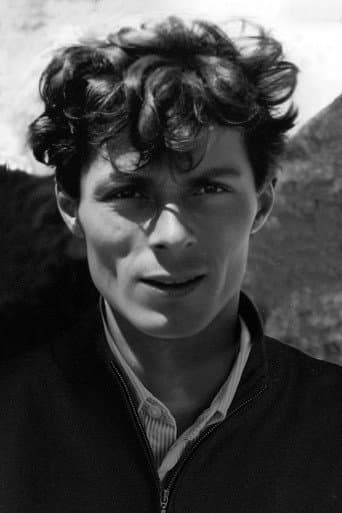
Roger Frison-Roche
Roger Joseph Fernand Frison-Roche, born February 10, 1906 in Paris 8th comes from a Savoyard family living in Paris. He studied at the Chaptal high school in Paris, then left school and worked as a courier in the Thomas Cook travel agency at the age of 14. During the war, he made several trips to Beaufort which awakened his love of the mountains. In 1924, he was the secretary of the first Winter Olympics in Chamonix. He writes in the newspaper Le Savoyard de Paris. Between 1926 and 1927, he did his military service in Grenoble with the 93rd mountain artillery regiment.
In 1923, at the age of 17, he moved to Chamonix and became secretary of the tourist office and the Olympic Committee, he made several climbs such as the Aiguille du Grépon or the Aiguille du Moine. In 1928, he made the winter premiere of the Aiguille de Bionnassay with Armand Charlet. In 1928, Frison-Roche met Marguerite Landot with whom he had three children. Between 1927 and 1930, he was director of the Syndicat d'initiatives de Chamonix. In 1930, he was admitted to the Compagnie des Guides de Chamonix.
In 1935, he made his first expedition to Algeria in the south in the Sahara with Captain Raymond Coche, where he was a guide for the French Alpine expedition to Hoggar. The expedition makes the first ascent of Garet El Djenoun (the Mountain of Geniuses). He published his first book in 1936: The Call of the Hoggar. In 1937, he crossed the Grand Erg Occidental on camel with Albert Plossu. Between 1938 and 1941, he was a journalist at La Dépêche in Algiers where he settled with his family in 1938. Between January and February 1941, Premier de Cordée appeared as a serial in La Dépêche Algérien. He sent the manuscript to the publisher Arthaud in September 1941 and it was in 1943 that the film Premier de Cordée was made. In 1948, he published the second of his two most popular novels: La Grande Crevasse. In 1942, he was a war correspondent alongside the Allies on the Tunisian front and was taken prisoner by the Germans in Kairouan and then released. In 1943, German troops arrived in Chamonix, Frison went underground in Beaufortain. In 1944, he was a liaison officer with the FFI and then on the staff of the 5th Alpine Hunter Demi-Brigade. This passage in his life inspired him in particular in Les Montagnards de la Nuit (1968). He returned to Algeria at the end of the war.
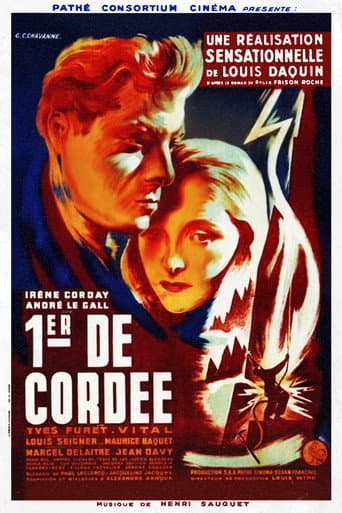
Premier de cordée
Apostrophes

Premier De Cordée

Midi Première
Maurice Baquet, l'Accordé
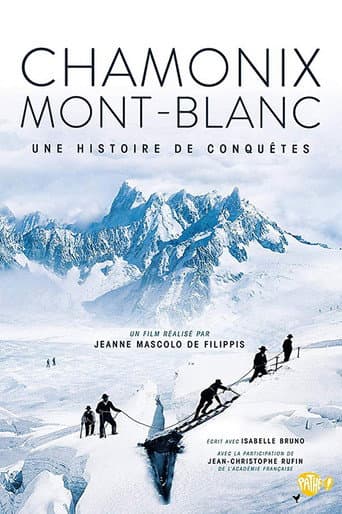
Chamonix - Mont Blanc, Une histoire de conquêtes
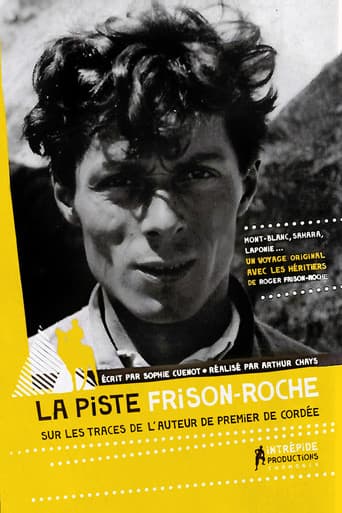
La Piste Frison-Roche
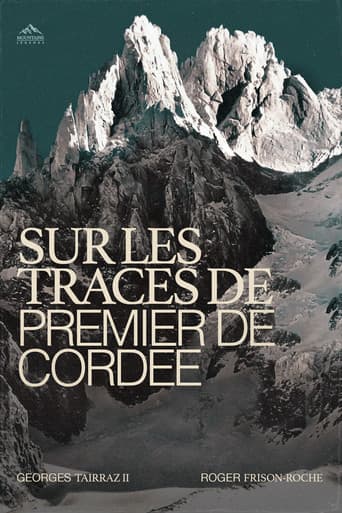
Sur Les Traces De Premier De Cordée
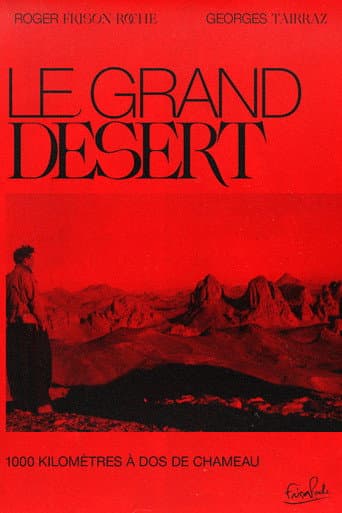
Le Grand Désert
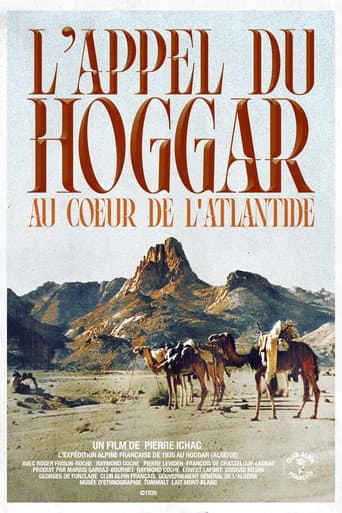
L'Appel Du Hoggar, Au Cœur De L'Atlantide