Laden...

6.9·2024·140 min·Español·Regie Alonso Ruizpalacios
DramaKomödie
Handlung
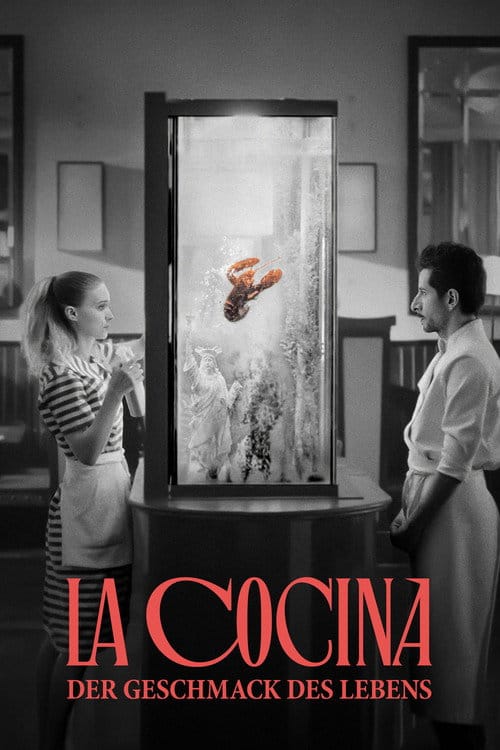
Im „The Grill“ in Manhattan ist gerade Hochbetrieb und aus der Kasse ist Geld verschwunden. Gegen alle Köche ohne Papiere wird ermittelt und Pedro ist der Hauptverdächtige. Er ist ein Träumer und Unruhestifter und verliebt in Julia, eine Kellnerin aus New York, die sich nicht auf eine Beziehung mit ihm einlassen kann. Rashid, Besitzer von „The Grill“, hat versprochen, Pedro bei seinen Papieren und damit aus der Illegalität zu helfen. Doch ein schockierendes Geständnis von Julia provoziert Pedro zu einer Tat, die das Fließband einer der geschäftigsten Küchen der Stadt komplett zum Stillstand bringt.
Hauptdarsteller










Mehr wie das
Fast Food Nation
2006·6.1
Do the Right Thing
1989·7.8

Landline
2017·6.1

Almost Friends
2017·6.3

Inseparables
2016·7.3

Winged Creatures
2009·5.9
Standing Up, Falling Down
2020·6.3

Der Beste Film aller Zeiten
2021·6.6
Meine Familie
1995·7.4
Kleine schmutzige Tricks
2002·6.9
Night Always Comes
2025·6.1
Dead Man Down
2013·6.2
Communauté
7.0
Note Trakt
242 votes
10
19
9
21
8
58
7
57
6
53
5
15
4
8
3
3
2
5
1
2
687Spectateurs
1.2KCollectés
707Listes
Avis de la communauté (4)
M
manicureVIP★6/10Feb 13, 2026
This has little to do with the kitchen or with the profession itself. At its core, it’s the familiar tale of immigrants exploited as manual labor in pursuit of the American dream, give or take. Its main appeal lies in the presentation, which feels stylish and surreal in the way a musical or stage play does, while also somewhat gritty in how it drains color from its surroundings and squeezes everything into a claustrophobic 4:3 frame. Is it gritty or overstylized? Probably the latter, though not in the usual sense of the word. That said, I found the film rather dull, with about the same emotional impact as a Wes Anderson movie: an exercise in aesthetics more than anything else. And the fact that the protagonist is one of the least likable characters ever put on screen certainly doesn’t help.
M
mbze430VIP★7/10Sep 25, 2025
definitely a good film. I wouldn't be able to relate as I never worked retail or food industry, and I know why I wouldn't be able to handle all that craziness! I have witness the immigrant aspect of the film as a bystander. What stands out is Nozo's monologue. People come to this America to search for a dream and make it "big". you can define your "big", fame, money...etc...
M
miguelreina★6/10Jul 10, 2025
It has the power of a resounding message that expands throughout the film and finally explodes in the powerful final sequence. But there's also a tendency toward excess, both visually and dramaturgically, lost in the theatricality of the dialogue, which Alonso Ruizpalacios attempts to compensate for with his usual virtuosity, a hallmark that also sometimes becomes a burden that envelops his stories with an overly sensational aesthetic. There's a bit of exaggeration in a story that clearly denounces the false promises of the so-called promised land.
J
jeroenvanstrien★6/10Apr 18, 2025
Theatrical, but it is a film adaptation of a play for a reason. The kitchen at the popular restaurant ‘The Grill’ is largely run by immigrants without residency status, and thus in a vulnerable position. Good obervations on the dark side of capitalism. The film does go on a bit too long and is at times exhausting.
Kritiken